RBI keeps repo rate unchanged at 5.25% with a neutral stance. Here’s what it means for GDP growth, inflation outlook, EMIs, fixed deposits and mutual funds.
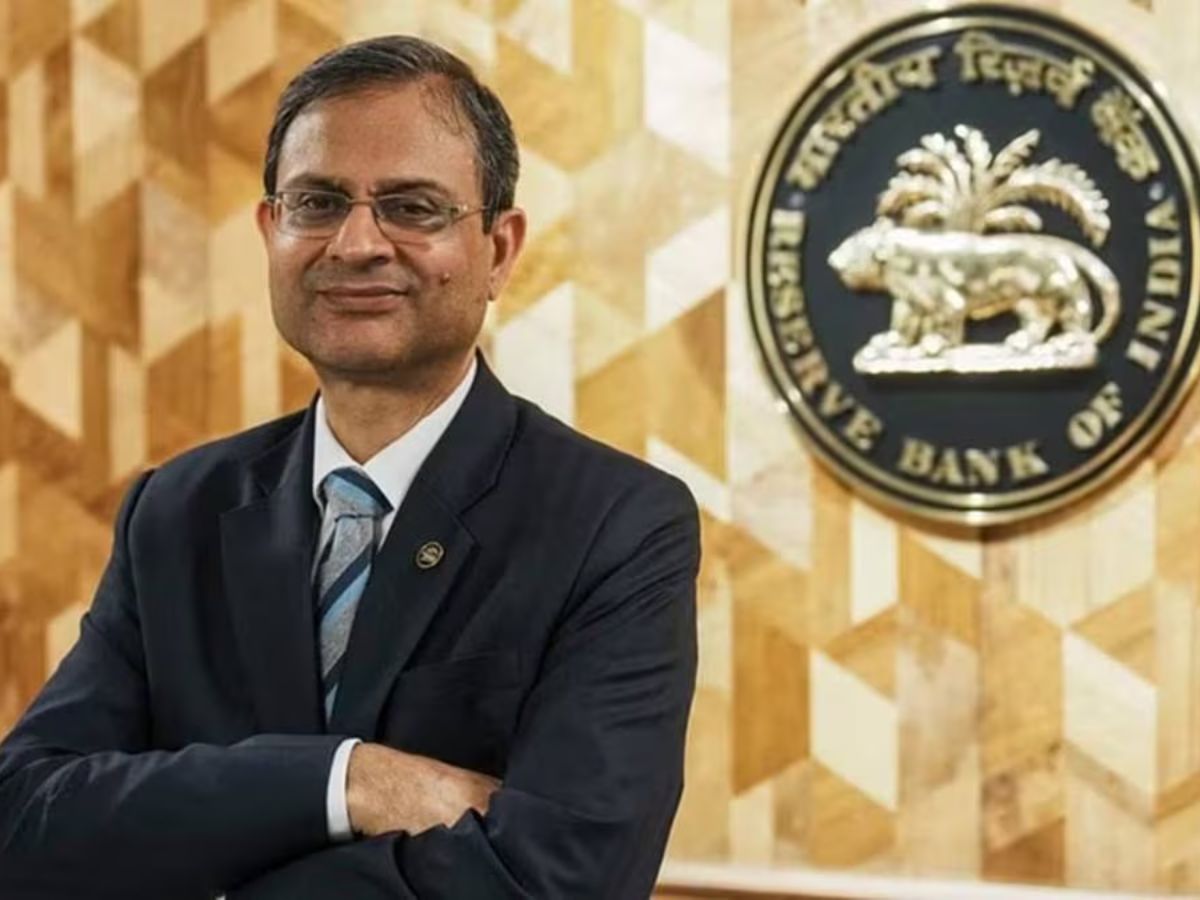
RBI keeps repo rate unchanged at 5.25% with a neutral stance [Photo: X]
The Reserve Bank of India (RBI) has opted for stability, keeping the repo rate unchanged at 5.25% in its first monetary policy review after the Union Budget 2026. The decision signals confidence in India’s economic momentum even as global uncertainties persist.
With inflation largely under control and growth holding firm, the central bank chose to pause after aggressive rate cuts over the past year. For borrowers, savers and investors, the status quo brings short-term clarity on interest rates. At the same time, it raises fresh questions about the RBI’s growth outlook and the future direction of monetary policy.
The RBI-led Monetary Policy Committee (MPC) announced its decision after a three-day meeting, held as part of the central bank’s bi-monthly policy cycle. The committee assessed domestic growth trends, inflation dynamics, global risks and recent trade developments before arriving at its verdict.
RBI Governor Sanjay Malhotra highlighted that while global headwinds have intensified, India’s macroeconomic fundamentals remain strong and resilient.
The Reserve Bank of India has kept the repo rate unchanged at 5.25%, signalling a pause in further rate action as the central bank balances strong economic growth with a benign inflation outlook.
The decision was taken by the RBI-led Monetary Policy Committee (MPC after a detailed review of domestic macroeconomic indicators and global developments. The central bank said current conditions do not require either a rate cut or a hike at this stage.
Governor Sanjay Malhotra said the MPC unanimously agreed to maintain the status quo, underlining the need to watch inflation trends, liquidity conditions and global risks before taking the next policy step.
“After a detailed assessment of the evolving macroeconomic conditions and the outlook, the MPC voted unanimously to keep the policy repo rate unchanged at 5.25 per cent; consequently, the standing deposit facility (SDF) rate under the liquidity adjustment facility (LAF) remains at 5.00 per cent and the marginal standing facility (MSF) rate and the Bank Rate at 5.50 per cent. The MPC also decided to continue with the neutral stance,” announced RBI governor Sanjay Malhotra.
With the latest decision, the repo rate stays at 5.25%, continuing the pause after cumulative rate cuts of 1.25% since early 2025. The neutral stance indicates that the RBI remains flexible and will respond to data rather than commit to further cuts or hikes immediately.
This approach allows the central bank to support growth while remaining watchful of inflation risks.
On the growth front, the RBI sounded optimistic. It said economic activity continues to show resilience, supported by strong domestic demand and improving investment conditions.
The central bank expects real GDP growth of 7.4% in 2025-26, a notable improvement over the previous year. For the next financial year, RBI projects growth of 6.9% in the first quarter and 7.0% in the second quarter, indicating sustained momentum.
However, the RBI deferred full-year growth projections for 2026-27 as it prepares to release a new GDP series later this month.
The repo rate is the interest rate at which the Reserve Bank of India lends short-term funds to commercial banks. It acts as the benchmark for all lending rates in the economy, influencing home loans, car loans, personal loans and business credit.
When the RBI cuts the repo rate, borrowing becomes cheaper, encouraging spending and investment. When the rate is high, loans become costlier, which helps cool inflation but can slow down economic activity.
The repo rate plays a crucial role in shaping India’s GDP growth. Lower interest rates reduce borrowing costs for businesses and consumers, boosting consumption, capital expenditure and job creation. This leads to faster economic expansion.
By keeping the repo rate steady at 5.25%, the RBI aims to support growth without stoking inflation. The central bank believes the current rate level is conducive to sustaining economic momentum while allowing past rate cuts to fully transmit through the financial system.
According to the RBI, domestic growth remains resilient, driven largely by internal demand, even as global uncertainties persist. The pause in rates gives businesses and households greater predictability in planning investments and spending decisions.
For borrowers, the RBI’s decision brings relief through stability. Since banks have already passed on most of the earlier rate cuts, loan interest rates have eased significantly over the past year.
With no fresh rate cut now, home loan, auto loan and personal loan EMIs are unlikely to fall further in the near term, but they are also unlikely to rise.
According to Adhil Shetty, CEO, BankBazaar, “The cumulative easing already delivered has largely flowed through to retail lending, making home loan rates relatively competitive compared to recent years.” He adds that borrowers can still reduce overall interest costs by retaining higher EMIs or exploring balance transfers and restructuring options.
For savers, the pause suggests that fixed deposit rates may remain stable but capped. Banks typically lower deposit rates following repo cuts, and much of that adjustment has already happened.
Shetty explains, “A pause in the repo rate sustains the gradual moderation in deposit returns already underway following earlier policy actions.”
He advises investors to spread FD investments across different tenures to lock in current returns. Senior citizens continue to enjoy higher rates, though these too may gradually adjust in a stable-rate environment.
A stable interest-rate environment works well for debt mutual funds, particularly medium- and long-duration funds, as bond yields tend to soften gradually.
Equity markets also benefit from policy continuity, as predictable borrowing costs support corporate earnings visibility. Experts suggest maintaining a balanced strategy, combining long-term equity investments with calibrated exposure to debt funds.
In simple terms, the RBI’s status quo signals confidence, not complacency. The central bank believes growth remains strong and inflation manageable, but prefers to wait for more data before taking its next step.
For consumers and investors, this means stable EMIs, steady deposit rates, and clearer financial planning in the months ahead.
