NEW DELHI: Across Indian cities, overhead cables have become a serious concern. In densely populated metropolitans like Delhi, Mumbai, Kolkata, Bengaluru, and Pune, fiber and power lines hang loosely from poles, often tangled, unorganized and dangerously low. As India rapidly expands its digital infrastructure, the lack of cable management is slowly turning into a safety and service issue.
The country has made huge strides in laying fiber optic networks under programmes like BharatNet, 5G rollout, and the Smart Cities Mission. But while the focus has been on speed and coverage, maintenance has fallen behind. This is now creating risks — ranging from disrupted internet services to public safety hazards, especially during monsoon season. With cables often tied using plastic ropes or zip ties, many streets look like construction zones.
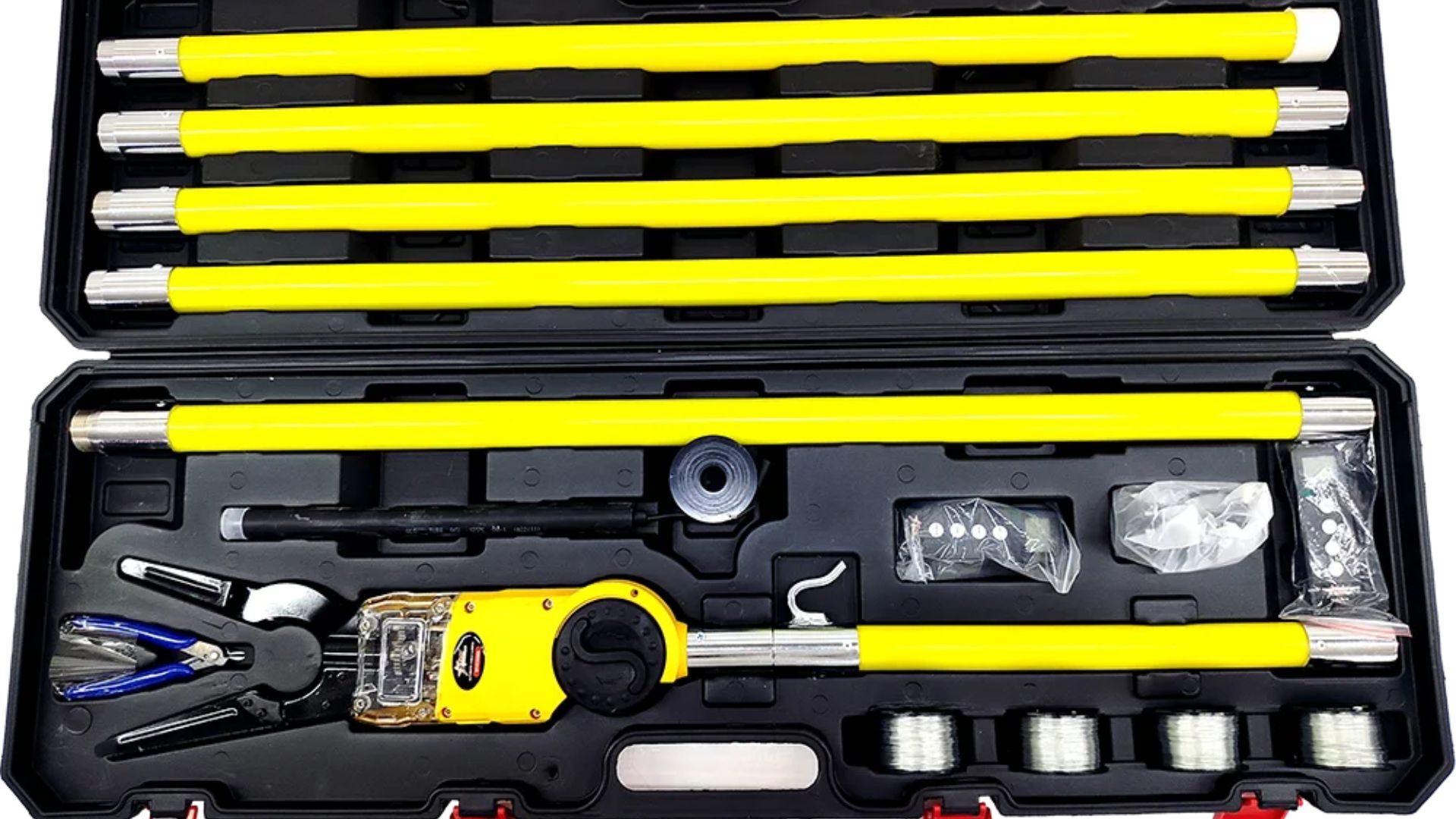
To address this growing issue, Star Infomatic Pvt. Ltd., a tech-company based out of national capital of India, has developed a tool – Star Cable Climper which is a simple but effective device designed to organize and secure overhead cables without the need for ladders or shutting down services.
The tool features a 20-foot extendable pole that allows a technician to stand safely on the ground and bundle cables quickly. It’s being seen as a practical solution that can be adopted by telecom companies, civic bodies and even local utilities.
Unlike costly underground cabling, which can take months and large budgets, the Cable Climper offers a faster and safer option. It can help reduce street clutter, protect live lines from damage, and improve the reliability of internet and CCTV services.
Mr. Anurag Saxena, MD, Star Infomatic said, “This kind of solution fits well into India’s Smart City goals, which include cleaner urban environments and more efficient infrastructure. Several municipalities have already shown interest in the tool as a low-cost, repeatable way to manage overhead fiber.”
“With one tool and one trained person, you can clean up an entire stretch of cables in a day,” Mr Saxena added further. “It doesn’t require big investment or complex systems — just regular use.”
With over 100 smart cities expected in India by 2030, the focus is shifting from rapid digital expansion to maintaining safe and organized infrastructure — particularly overhead fiber networks crisscrossing urban areas. Currently, cable management remains reactive, with untrained workers handling risky fixes and little emphasis on long-term upkeep.
