The multilateral order is not doomed by design; it is dying of neglect. Reviving it will require courage from both insiders and outsiders to modernize governance, demand results, and embrace new voices.
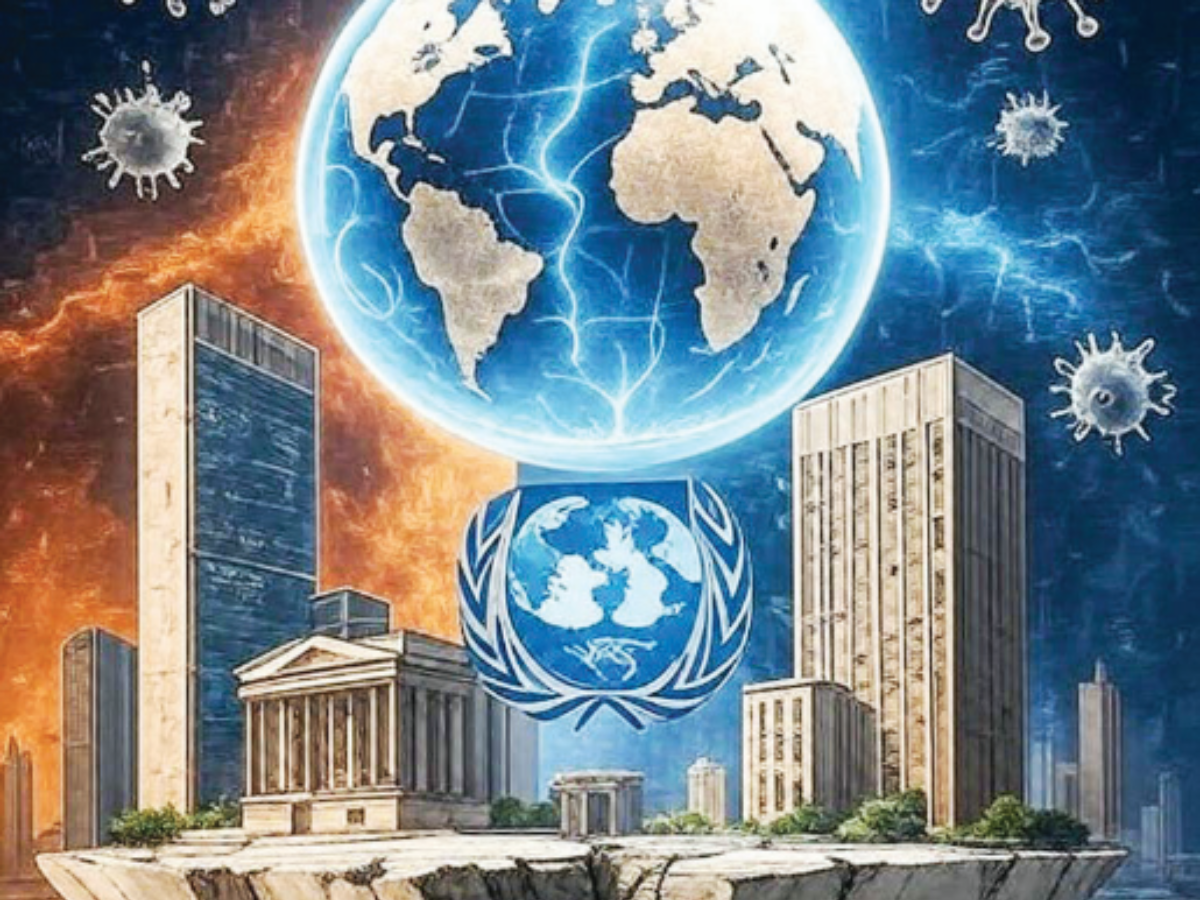
Experts urge reform of multilateral institutions to ensure transparency, accountability, and effectiveness in addressing global challenges like climate, AI, and pandemics (Photo: File)
The multilateral system designed to manage the world's common challenges is no longer fit for purpose. What was once the crowning achievement of post-war cooperation has ossified into a bureaucracy so sclerotic and politicized that it often serves itself more than the people it was created to help.
The grand institutions forged at Bretton Woods after 1945 were intended to prevent another global catastrophe. And for a time, they succeeded. The UN provided a forum for diplomacy, the World Bank and IMF rebuilt economies and stabilized currencies; the GATT and its successor the WTO expanded trade and prosperity.
But the world that gave birth to these bodies has vanished. Power is now multipolar, capital moves at digital speed, and the biggest threats we face climate change, pandemics, cyber warfare, AI are immune to national borders. The institutions meant to confront them remain anchored in a mid-twentieth-century design. AI and cyberwarfare did not even exist when they were created.
A professional class of international civil servants run these multilateral agencies. Shielded from real accountability, they often answer neither to the governments that fund them nor to the citizens they claim to serve. Process has replaced purpose. Reports multiply, conferences proliferate, and budgets swell but measurable outcomes are often difficult to find. Achieving consensus and pushing paper are prized over courage and genuine performance. The credibility of the multilateral system has eroded because the world no longer believes that the multilateral institutions’ words will translate into meaningful action.
China's rise has been accompanied by a parallel architecture of influence and power: the Asian Infrastructure Investment Bank, New Development Bank, Belt and Road Initiative, and growing influence within UN agencies. Beijing now leads four of the UN's 15 specialized agencies (the US leads one) and uses its financial muscle to align programs with its interests.
The United States built much of this system and now seems weary of it cutting funds, walking away from agreements, and yielding leadership to others. Europe defends the rhetoric of multilateralism but rarely backs it with more resources or leads reform. The result is a vacuum that opportunists are happy to fill.
What is needed is a new operational paradigm built not merely on reform, but an embrace of what is required to meet the needs of the future.
First, transparency must replace opacity. Every multilateral organization should be subject to results-based budgeting and public scorecards that track whether programs actually deliver. Just as markets judge companies by earnings and investors by performance, taxpayers deserve to know what their dollars achieve.
Second, leadership selection must be opened up. It is indefensible that an American always leads the World Bank, a European the IMF, a Japanese the ADB, and a Chinese at the AIIB. Merit and regional balance not tradition, financial interest, or power should decide.
Third, we need to widen the circle. The future of global governance cannot belong only to governments. Civil society, academia, and ordinary citizens must have mechanisms to grade performance and demand reform. In a sense, the New Multilateralism should become an "Everylateralism," where legitimacy flows upward from the people, not downward from bureaucracies.
Fourth, technology can help restore trust. Imagine using blockchain-based ledgers to track commitments under international agreements immutable, auditable, and visible to all. Such tools could finally make accountability real rather than rhetorical.
None of this will be easy. Power is rarely surrendered voluntarily, and bureaucracies are adept at self-preservation. Yet the alternative is far worse: irrelevance. If we do nothing, the UN and the Bretton Woods institutions risk becoming historical exhibits reminders of what cooperation once achieved, not instruments for meeting tomorrow's challenges head on.
These institutions’ purpose must be rediscovered. The world still needs common spaces to debate, decide, and act together. Pandemics, migration, climate change, and AI will not wait for national elections or Security Council vetoes. Only institutions that are trusted can lead, and trust depends on accountability.
The post-war multilateralism rebuilt a shattered world. The New Multilateralism must rebuild trust in an interconnected one. Accountability is not the enemy of cooperation it is its foundation. If we can bring that principle back to the center of global governance, then perhaps these institutions will once again serve us all as they were intended to.
Daniel Wagner is Managing Director of Multilateral Accountability Associates and co-author of the new book "The New Multilateralism: Making Multilateral Organisations Accountable and Fit in the 21st Century".
