Trump administration considers tariffs on foreign electronics based on chip content to drive U.S. manufacturing, raising inflation concerns.
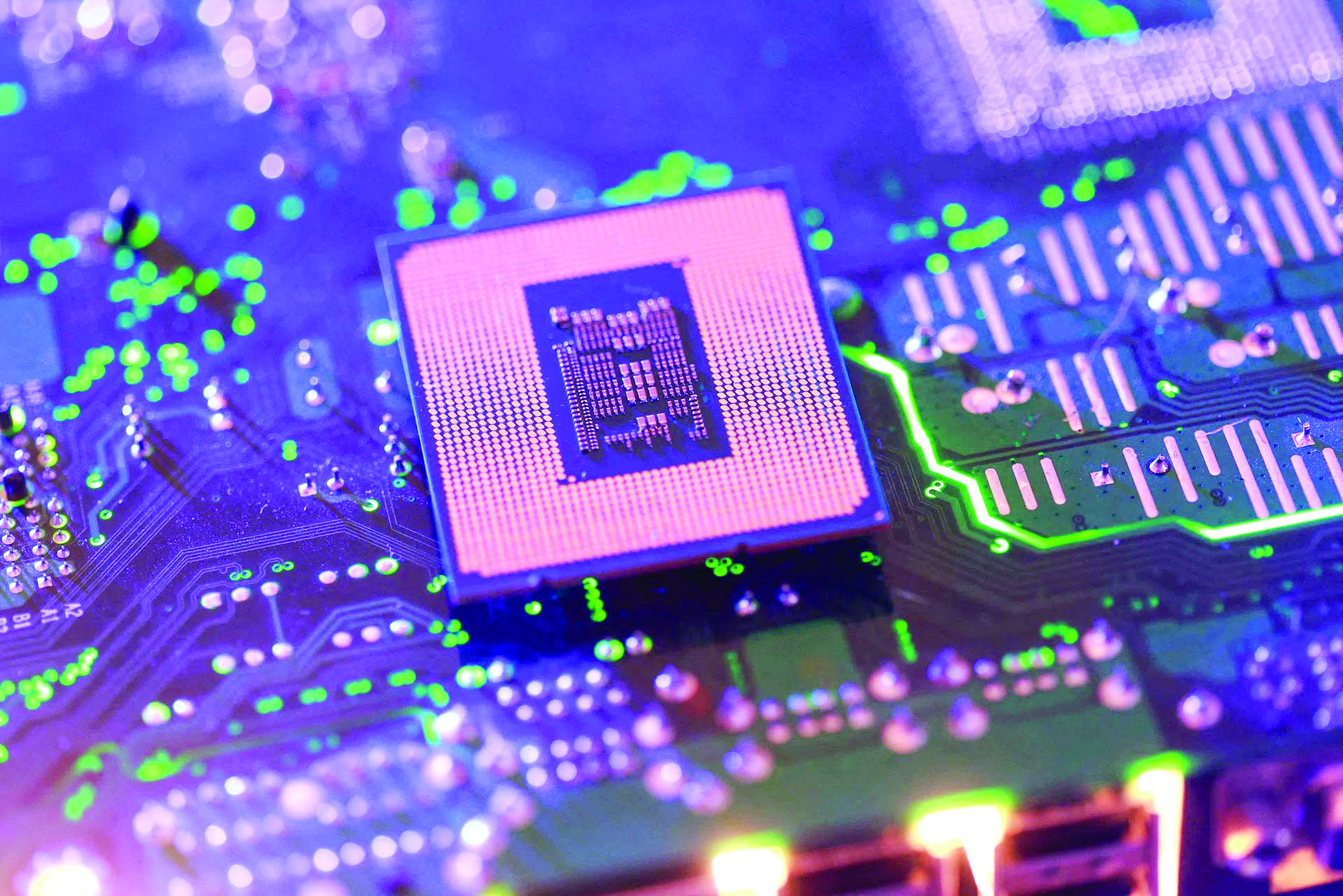
The Trump administration is considering tariffs on foreign electronics to boost U.S. manufacturing, potentially impacting prices and inflation.
WASHINGTON: The Trump administration is considering imposing tariffs on foreign electronic devices based on the number of chips in each one, according to three people familiar with the matter, as it seeks to drive companies to shift manufacturing to the United States.
According to the plan, which has not previously been reported and could change, the Commerce Department would impose a tariff equal to a percentage of the estimated value of the product's chip content.
The Commerce Department did not immediately respond to requests for comment.
"America cannot be reliant on foreign imports for the semiconductor products that are essential for our national and economic security. White House spokesperson Kush Desai responded when asked about the details. "The Trump administration is implementing a nuanced, multi-faceted approach to reshoring critical manufacturing back to the United States with tariffs, tax cuts, deregulation, and energy abundance."
If implemented, the plan would show the Trump administration is seeking to hit a wide range of consumer products, from toothbrushes to laptops, potentially driving up inflation as it seeks to ramp up US. manufacturing.
The plan could push up the cost of consumer goods "at a time when the U.S. has an inflationary problem, with inflation clearly above the Fed's target and accelerating," said Michael Strain, an economist with the conservative American Enterprise Institute. The Federal Reserve's target inflation rate is 2%. Even domestically produced items would likely become more expensive, thanks to new tariffs on key inputs needed to make those goods, Strain added.
U.S. President Donald Trump has deployed an array of tariffs aimed at bolstering American manufacturing, announcing on Thursday sweeping new import tariffs including 100% duties on branded drugs and 25% levies on heavy-duty trucks, triggering fresh trade uncertainty after a period of relative calm.
In April, the Trump administration announced probes into imports of pharmaceuticals and semiconductors as part of a bid to impose tariffs on them, arguing that extensive reliance on their foreign production poses a national security threat. But questions have swirled about the universe of products containing chips that would be hit by the tariffs, the tariff rates, and whether any countries, products, or companies would be exempt. Trump said in August the United States would impose a tariff of about 100% on imports of semiconductors but exempted companies that are manufacturing in the US or have committed to do so.
