
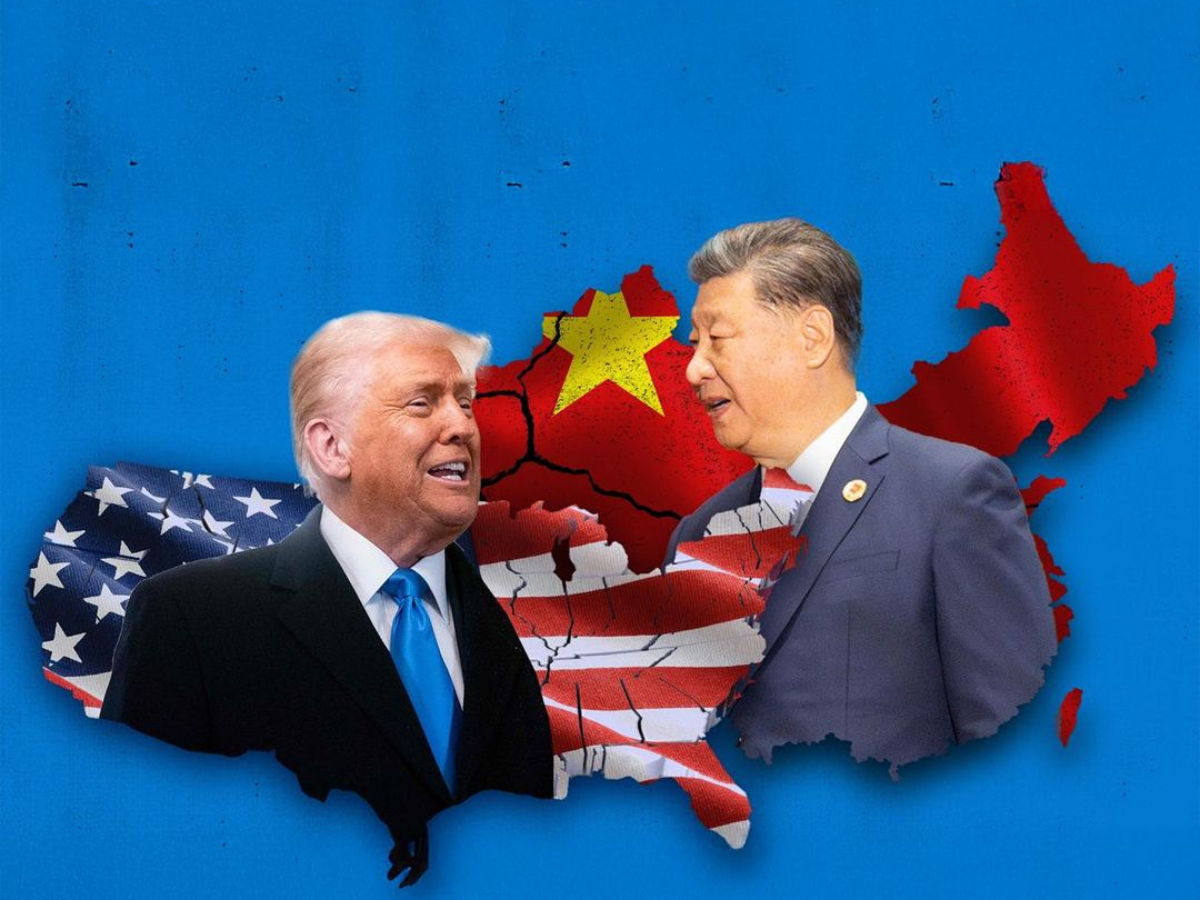
AIR FORCE ONE: U.S. President Donald Trump will test his deal-making capabilities on a trip to Asia, a region battered by his hardball trade policies, while doubts hang over his highly anticipated meeting with China’s Xi Jinping.
Trump, who left Washington on Friday night, is set for a five-day trip to Malaysia, Japan and South Korea, his first to the region and longest journey abroad since taking office in January.
The Republican leader hopes to pile up trade, critical mineral and ceasefire deals before turning to the toughest challenge, a face-to-face with Xi on Thursday in South Korea.
Trump is also working to maintain the signature foreign policy achievement of his second term, a fragile ceasefire he helped to strike in the Israel-Gaza conflict, while the Russian war in Ukraine rages and a trade war with China shows little sign of ending.
US and China Trade Threats on Key Minerals, Technology
Washington and Beijing have hiked tariffs on each other’s exports and threatened to cut off trade in critical minerals and technologies altogether.
The trip was formally announced by the White House on Thursday. Details remain in flux, including the meeting between leaders of the world’s two largest economies.
Neither side expects a breakthrough that would restore terms of trade that existed before Trump’s second-term inauguration in January, according to a person familiar with the conversations. Instead, talks between the two sides to prepare for the meeting focused on managing disagreements and modest improvements.
An interim agreement could include limited relief on tariffs, an extension of current rates, or China committing to buy U.S.-made soybeans and Boeing airplanes. Beijing reneged on similar promises in a 2020 deal with Trump.
Washington could let more high-end computer chips flow to Beijing, which in turn could loosen controls on rare earth magnets that have angered Trump. Or, nothing could come of the talks at all.
On Wednesday, U.S. Treasury Secretary Scott Bessent said the Trump-Xi talk would be a “pull-aside,” suggesting nothing formal. Trump later told reporters the two would have “a pretty long meeting,” allowing them to “work out a lot of our questions and our doubts and our tremendous assets together.”
Mira Rapp-Hooper, a visiting fellow at the Brookings Institution and former Biden administration official, said Trump’s Asia policy has been defined by intense pressure on countries’ trade policies and defense spending.
“The high-level question on this trip is really, who does the United States stand with, and what does it stand for,” she said.




