U.S. pressure under Trump derails global carbon fee on shipping at IMO meeting, delaying climate action for at least a year.
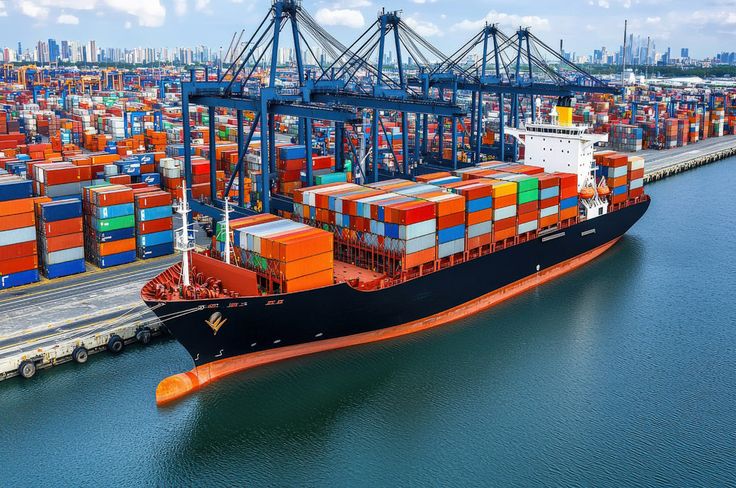
Under Trump’s pressure, the IMO delays adoption of the world’s first global carbon fee on shipping, stalling climate action efforts (Photo: Pinterest)
WASHINGTON:
With trade threats from President Donald Trump, the U.S. derailed the world's first global carbon fee on shipping as an international maritime meeting adjourned Friday without adopting regulations. Earlier this year, amid much fanfare, the world's largest maritime nations agreed on the regulations, which would impose a fee on carbon pollution to clean up shipping. The next step of the process adopting the regulations during the International Maritime Organization meeting in London this week was widely expected to be a formality.Instead, after much pressure from Trump, along with Saudi Arabia and a handful of other countries, delegates decided to postpone the decision by a year and adjourn. In the interim, nations will continue to negotiate and work toward consensus.
The development underscored how the influence of Trump, who recently called climate change a "con job," extends globally to policies aimed at combating climate change.
"Faced with pressure, too many governments chose political compromise over climate justice, and in doing so, abandoned the countries bearing the brunt of the climate crisis," said Emma Fenton, senior director for climate diplomacy at a UK-based climate change non-profit, Opportunity Green. U.S. Secretary of State Marco Rubio hailed the development as "another huge win" for Trump. "Thanks to his leadership, the United States prevented a massive U.N. tax hike on American consumers that would have funded progressive climate pet projects," Rubio wrote on X. "Our country will continue to lead the way and put America FIRST".
Trump had urged countries to vote "No," posting on his social media platform Truth Social on Thursday that "the United States will not stand for this global green new scam tax on shipping". The U.S. had threatened to retaliate with tariffs, visa restrictions and port levies if nations supported it.
After vowing to fight any global tax on shipping emissions, Saudi Arabia called for a vote to adjourn the meeting for a year. More than half the countries agreed.
Arsenio Dominguez, secretary-general of the IMO, the United Nations agency that regulates international shipping, said in a post-meeting news conference that "geopolitics in the world right now makes it more difficult for us to make progress in certain topics". The decision, or lack thereof, in London is similar to what happened this summer with a major treaty to end growing plastic pollution around the world. The negotiations fell apart, with the United States and Saudi Arabia opposing any limit on plastic production.
