
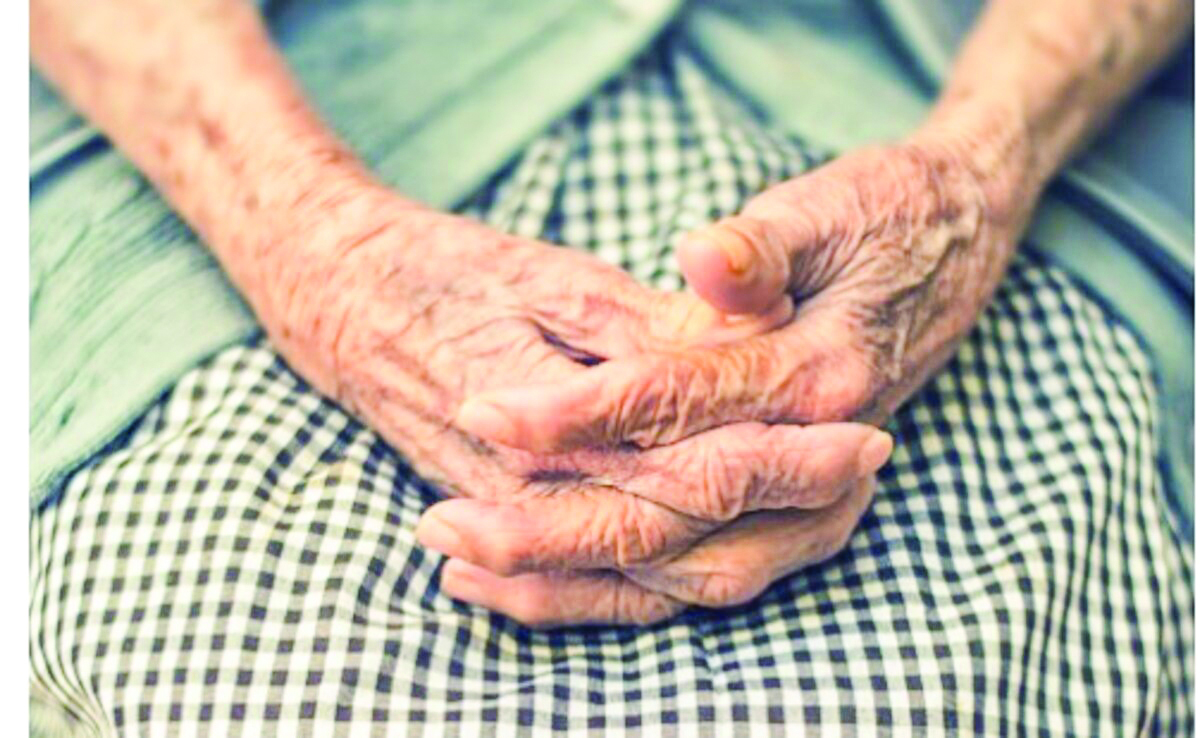
The 20:80:120-year age milestones in a healthy human lifespan are the focus of this author’s 80th article, inspired by the likes of His Holiness the Dalai Lama (90) and marathon runner Fauja Singh (114). In sharp contrast to the recent premature deaths around the age of 40 of Shefali Jariwala and many others, Fauja Singh, born in 1911 in Jalandhar, was killed by a speeding car on 14 July 2025, at the age of 114 years, and may have completed a full life term of 120 years. Jeanne Calment, a French woman born on February 21, 1875, died on August 4, 1997, at the age of 122 years. Kane Tanaka (Japan) and Sarah Knauss (US) have lived over 119 years, and numerous documented and undocumented records and reports exist of super agers who lived or are alive beyond 114 years of age. A Super Ager is over 80 years old, maintains sharp memories, strong physical capabilities, and exhibits cognitive function comparable to an average middle-aged person.
HUMAN LIFE SPAN SEGMENTS: Human lifespan is traditionally segmented as infancychildhood-adolescence (teenager) till 19 years, working adult, 20 to 65 years, and senior citizen beyond 65 years. The Chhandogya Upanishad states 116 years as normal human life and splits it into three stages (ashramas) of 24 years of learning and growth (Brahmacharya), 44 years of worldly pursuits and responsibilities (Garhasthya), and 48 years of reflection and spiritual pursuits (Vanaprastha).
The recent Australian Online Safety Amendment (Social Media Minimum Age) Bill 2024, an amendment to the Online Safety Act 2021, prevents children under 16 from creating social media accounts. The minimum driving age in India is 16 years for motorcycles with engine capacities not exceeding 50cc, 18 years for motor vehicles other than transport vehicles, and 20 years for transport vehicles. Most nations use 18 years as their voting age, ten nations let 16-year-olds vote, and eleven nations have 20 or 21 as their minimum voting age. The minimum legal age for marriage in most countries is 18.
Thus, the age of maturity is considered by most nations to be around 18 to 20 years of age. The average retirement age has gradually increased from 58 to 67 years across countries. Improved life expectancy and economic conditions, and aging populations are leading to the extension of working life to 80 years of age. With increased life expectancy, our lifespan can now be divided into 20 to 40-year segments. First 20 years of growth, learning and attaining maturity, then till 80 years age for worldly pursuits and responsibilities with variable milestones at age 40 (early retirement or premature death due to life style, suicide or accident), age 60 (average retirement), age 80 (average global life expectancy for most, extended retirement for the fit), and super age from 80 to 120 years, as advisor, guide, motivator, and for reflection and spiritual pursuits.
AGE LIMITS ARE FOR THE INDULGENT: Factors like genetics, lifestyle choices, better education, healthier nutrition, publichealth efforts, and healthcare slow the “rate of aging”, postpone senescence (biological ageing), and extend lifespan. Whereas excess body fat, sedentary and indulgent lifestyle, stress, sleep deficit, pollution, and toxins like tobacco, alcohol, drugs, chemicals in various cosmetics, ultra-processed foods and house hold sanitary and other items can damage your vitals and shrink your lifeline, certain factors permit super agers to defy the expected mental and physical limitations of their official age. Too many young persons are indulging in unproven so-called ‘antiaging’ remedies while ignoring the proven successful habits of super agers.
Consistently maintaining body weight just below the ideal body weight by caloric restriction has been shown to delay aging across many animal species. Maximum life-span extension in animals occurs on a diet that contains all of the nutrients but only 40–60% of the calories that the animals consume when they can eat as much as they want. The secret lies in moderate exercise to keep bones, muscles, and vital organs strong, and just adequate nutritious food to keep body fat to the minimum required. It is the physical and mental activity deficit, and excess stress, food, and toxins to blame for early aging, chronic diseases, and premature failure of vital organs and death.
AGE DEFINITION AND MEASUREMENT: Chronological, biological, and psychological age represent different ways of understanding a person’s age. Biological age is a better measure of the health status than chronological age, as discussed 3 weeks ago. Lifestyle (nutrition, exercise, stress, and sleep), genetics, and environmental factors influence biological age. As people age, they tend to lose muscle mass (sarcopenia) and gain fat mass. These changes in body composition (like fat and muscle mass) can be detected by bioelectrical impedance analysis (BIA) and used with height and weight, in equations to estimate biological age.
It is also assessed by biomarker (hormones, immune cell counts, organ function, inflammation, and metabolic indicators) analysis, or frailty assessments based on physical strength, balance, and cognitive abilities, or epigenetic clock based on DNA methylation data, using mathematical models, each offering a different perspective on the aging process. Scientists have observed that a person’s VO2max value (a measure of the volume of oxygen flow to the cardiac muscle) decreases as a function of age, and this may be used as a measure of biological age. Psychological age, on the other hand, is a subjective measure based on an individual’s emotional and mental age and how they perceive their age.
Emotional age or maturity is about the ability to understand, manage, and express emotions effectively, and the capacity to navigate social situations (social skills) and build healthy relationships, and the ability to handle responsibilities and adapt to life changes, but it is difficult to objectively measure. The concept of mental age or cognitive maturity (Logical thinking for problem solving, critical thinking to form independent judgments, willingness to learn and explore new ideas) has been controversial, as the standardized intelligence tests, with comparison to the average performance of people in a particular age group used to calculate it, are considered inaccurate and unreliable. BASIS OF AGING: Accumulated DNA damage is considered the primary cause of aging.
DNA damage, both nuclear (from both parents) and mitochondrial (from the mother), can occur due to internal (endogenous) and external (exogenous) causes and accumulates with age in vital tissues of the blood vessels, brain, heart, muscle, lung, liver, and kidney. Endogenous causes include chronic inflammation and metabolic by-products like reactive oxygen species (ROS), a subset of free radicals, and errors during DNA replication. Exogenous causes are radiation (UV, X-ray, gamma, and cosmic rays), chemical agents, and certain toxins. Antioxidants like Vitamins C and E, Selenium, Beta-carotene, anthocyanins, lycopene, and lutein, from fruits, vegetables, and supplements, can attenuate the damaging effects of free radicals. Oxidative stress occurs when the production of free radicals caused by environmental pollutants, radiation, inflammation, and even normal metabolism exceeds the body’s ability to neutralize them with antioxidants and leads to DNA and cell damage, chronic disease, and ageing. Several new studies link decreased thyroid activity and lower basal metabolic rate to increased life expectancy.
A review by B N Ames showed “Micronutrient Deficiencies in vitamins like B12, B6, folate, niacin, C, E, and minerals like iron and zinc can mimic radiation in causing DNA damage. Micronutrient deficiency may explain why the quarter of the population that eats the fewest fruits and vegetables has about double the cancer rate for most types of cancer when compared to the quarter with the highest intake”. Cells have evolved sophisticated DNA repair mechanisms. These mechanisms involve a series of enzymes and proteins that identify and remove damaged bases or fragments, restoring DNA to its original state. However, when the rate of DNA damage exceeds the repair capacity, it can lead to the accumulation of lesions and increase the risk of diseases, including cancer, aging, and neurodegenerative disorders. Inherited deficiencies in DNA repair genes cause accelerated aging. Humans over age 100 have a significantly higher DNA base excision repair capability than younger individuals.
PREVENTION AND MOTIVATION: Factors associated with life expectancy include family history, marital status, economic status, physique, exercise, diet, drug use (including smoking and alcohol consumption), disposition, education, environment, sleep, climate, and health care. A mentally and physically active lifestyle, healthy habits, and a daily diet of raw and whole foods like fresh fruits, vegetable salads, anti-inflammatory herbs and spices, natural probiotics like curds (not processed yogurt), and whole grains like millets, in discrete amounts, fuels good health and delays aging. Japan’s low obesity, heart disease, and cancer rates, and high life expectancy of 84.5 years, and the highest ratio of centenarians, are due to healthy diets, low in salt, fat, and red meat. Captain C P Krishnan Nair founded Hotel Leelaventure at the age of 65 and retired at the age of 91 years. Lachhman Das Mittal, 93 ( Sonalika Group), Dr Pratap C. Reddy, 92 (Apollo Hospitals), Cyrus Poonawalla, 84 (Serum Institute of India), AmitabhBachchan,82, and many more super agers are active and motivating others.
Dr. P.S.Venkatesh Rao is a Consultant Endocrine, Breast & Laparoscopic Surgeon, and a polymath, in Bengaluru.




