The 2026 Grammys turned into a platform for anti-ICE protests as major artists used their speeches and symbols to speak out against US immigration enforcement
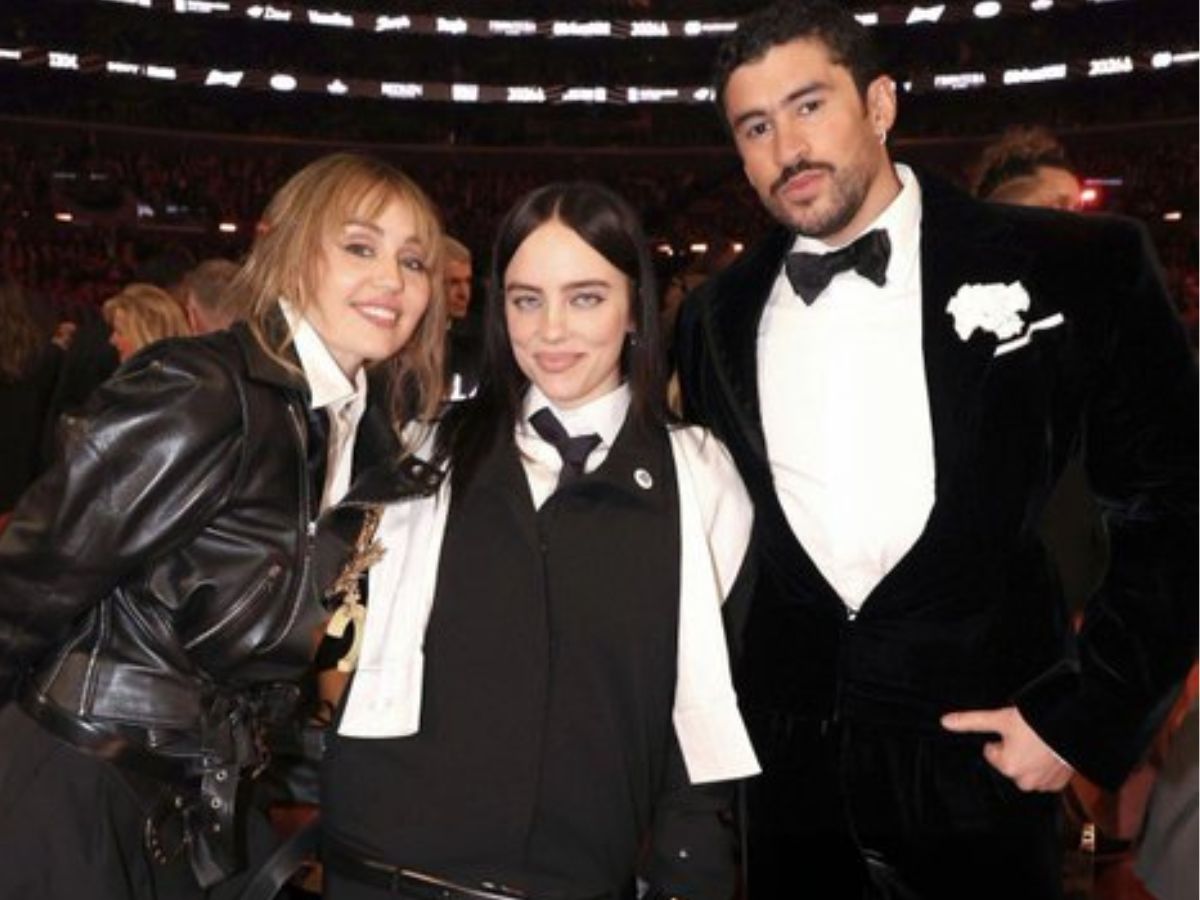
Following Bad Bunny, Billie Eilish criticised US Immigration and Customs Enforcement at the Grammy Awards 2026 Ceremony (Source: X)
The 2026 Grammy Awards, usually a night to celebrate music and artists, turned into a platform for political expression as many winners spoke out against immigration enforcement in the United States. Several performers used their speeches and outfits to criticise actions by Immigration and Customs Enforcement (ICE) during Donald Trump’s administration.
Puerto Rican rapper Bad Bunny, who won Album of the Year, openly criticised federal immigration policies while accepting his award. He began his speech by saying, “Before I say thanks to God, I’m gonna say: ICE out.”
He continued, “We’re not savage, we’re not animals, we’re not aliens. We are humans and we are Americans.”
Bad Bunny received the award for his album Debí Tirar Más Fotos. He dedicated the win to migrants and dreamers, saying it was for “all the people who had to leave their homeland to follow their dreams" and added, “Thank you mami for giving birth to me in Puerto Rico. I love you," showing pride in his roots.
British singer Olivia Dean, who won Best New Artist, also shared a personal message. She became emotional on stage and said, "I never really imagined that I would be up here," while holding her first Grammy.
She highlighted her family background, saying, “I'm up here as a granddaughter of an immigrant. I wouldn't be here ... I am a product of bravery, and I think that those people deserve to be celebrated.” Her words connected success in music with the sacrifices of immigrant families.
Singer Billie Eilish also joined the protest. She wore an “ICE out” pin and criticised immigration enforcement while accepting Song of the Year for Wildflower. During her speech, she said, "No one is illegal on stolen land”. The comment referred to the history of colonisation in the United States and the displacement of Indigenous people. She also said, "F* ICE,"** making her stance clear.
Damian Kulash, lead singer of the band OK Go, said it felt wrong to celebrate while people were suffering. He stated, "Our own government has raised an army of, like, masked anonymous men to attack its own people and that feels utterly irresponsible for us to be celebrating anything right now," expressing concern over government actions.
The protest was not limited to speeches. Many artists wore pins and symbols supporting the anti-ICE message. Songwriter Amy Allen wore an “ICE out” pin and said, "I think is really important for all of us in the music industry, in any industry. So I'm very happy to be wearing it today.”
Other artists such as Jason Isbell, Margo Price, Kehlani, and Rhiannon Giddens also wore similar accessories to show solidarity.
Justin Vernon of Bon Iver wore a whistle to honour legal observers who monitor ICE activities. He explained, “I think there’s a reason that music exists and it’s to heal and to bring people together,” and added, “But the real work are those observers on the on the ground in Minneapolis. We just want to want to shout them out.”
Overall, the 2026 Grammys became more than an award ceremony. While artists celebrated achievements, many also used their visibility to speak about immigration, human rights, and unity, turning the global music stage into a moment of political and social expression.
