A look back at American war films that glorify military interventions, such as the ongoing US-Iran conflict. These films shape public opinion about war and normalize it.
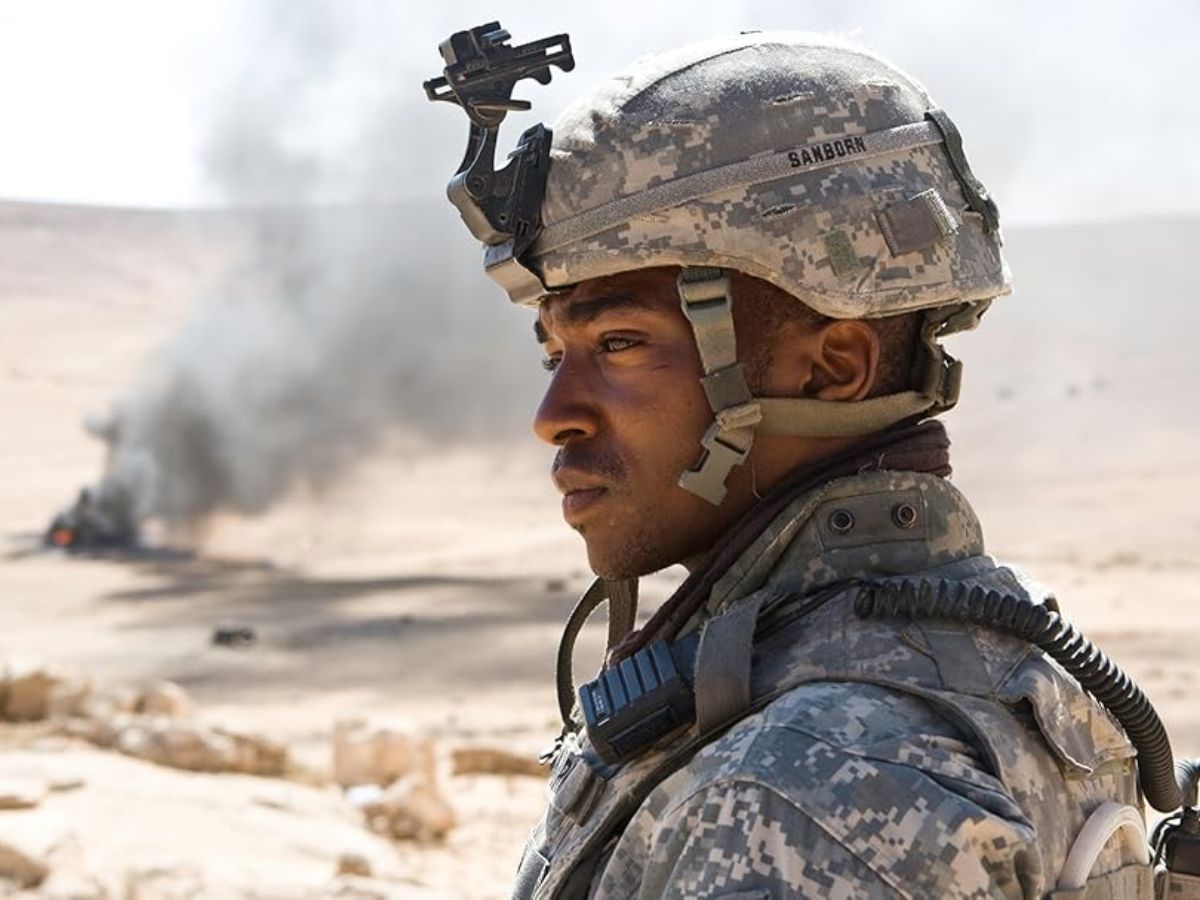
Hollywood war movies show American soldiers as heroes and often ignore local people’s stories. (Photo: Social Media)
Hollywood, America’s film industry, has produced numerous war films that often portray overseas American military action as necessary and heroic. With recent military strikes by the US and Israel on Iran, the possibility of a larger conflict looms, and films play a role in shaping how such wars are perceived. These movies craft a narrative that positions American soldiers and institutions as moral and justified, reinforcing public support for such global actions.
American war movies have long influenced how audiences understand overseas conflicts. These films often portray American soldiers and institutions as disciplined, heroic, and morally right. Meanwhile, the local people and their stories are either sidelined, shown as hostile, or ignored completely. By presenting military action as justified and necessary, these movies make viewers more likely to accept war, sometimes even enjoying or trivializing it.
Over time, cinema does more than entertain. It subtly teaches audiences to accept the use of force, reinforces a sense of moral authority for the military, and keeps these ideas alive across generations. Through storytelling, visuals, and music, Hollywood shapes perception before viewers ever encounter real-world consequences of war.
Take a look at five Hollywood films that depict American military interventions overseas as heroic and justified. These movies present US soldiers and institutions as morally right, framing wars abroad as necessary missions while shaping audience perceptions of conflict, bravery, and the role of America on the global stage.
Directed by Ridley Scott and starring Josh Hartnett, Ewan McGregor, and Eric Bana, this film retells the 1993 US mission in Somalia’s Battle of Mogadishu. The film presents American intervention as a humanitarian duty, showing US troops as a stabilizing force, while Somali fighters are shown as violent and chaotic, needing control.
Directed by Sam Mendes and starring Jake Gyllenhaal, Jarhead focuses on a Marine sniper’s psychological experience during the Gulf War. The film glorifies the mental conditioning of American soldiers, showing their military identity as central, where simply having the power to invade and control foreign lands gives them a sense of purpose.
Directed by Peter Berg and featuring Jamie Foxx and Chris Cooper, this thriller follows an FBI team sent to Saudi Arabia after a terror attack. The film positions US law enforcement and military figures as capable and righteous in dangerous foreign settings. It shows them taking charge using superior intelligence and force, portraying US intervention as essential. Local legal systems are shown as unable to handle the threat, while American action is celebrated as the only way to deliver justice.
Directed by Kathryn Bigelow and starring Jeremy Renner, this acclaimed Iraq War drama follows a bomb disposal unit in occupied Iraq. The film highlights American soldiers’ courage and resilience, turning military occupation into heroic acts, while Iraqis are shown as suspicious or secondary, making the invasion a stage for American soldiers’ personal bravery and identity.
Directed by Peter Berg and starring Mark Wahlberg, this film recounts the true story of a Navy SEAL team ambushed in Afghanistan. The film portrays American soldiers as heroic and selfless, showing their struggle and loyalty. Afghan fighters are shown as dangerous enemies, making the Americans’ bravery and endurance the focus of the story.
Hollywood war movies show American soldiers as heroes and often ignore local people’s stories. By doing this, they make military actions seem necessary and good, shaping how viewers think about war and encouraging support for overseas interventions.
Disclaimer: This content is for informational and entertainment purposes only. All information is based on publicly available reports and sources.
