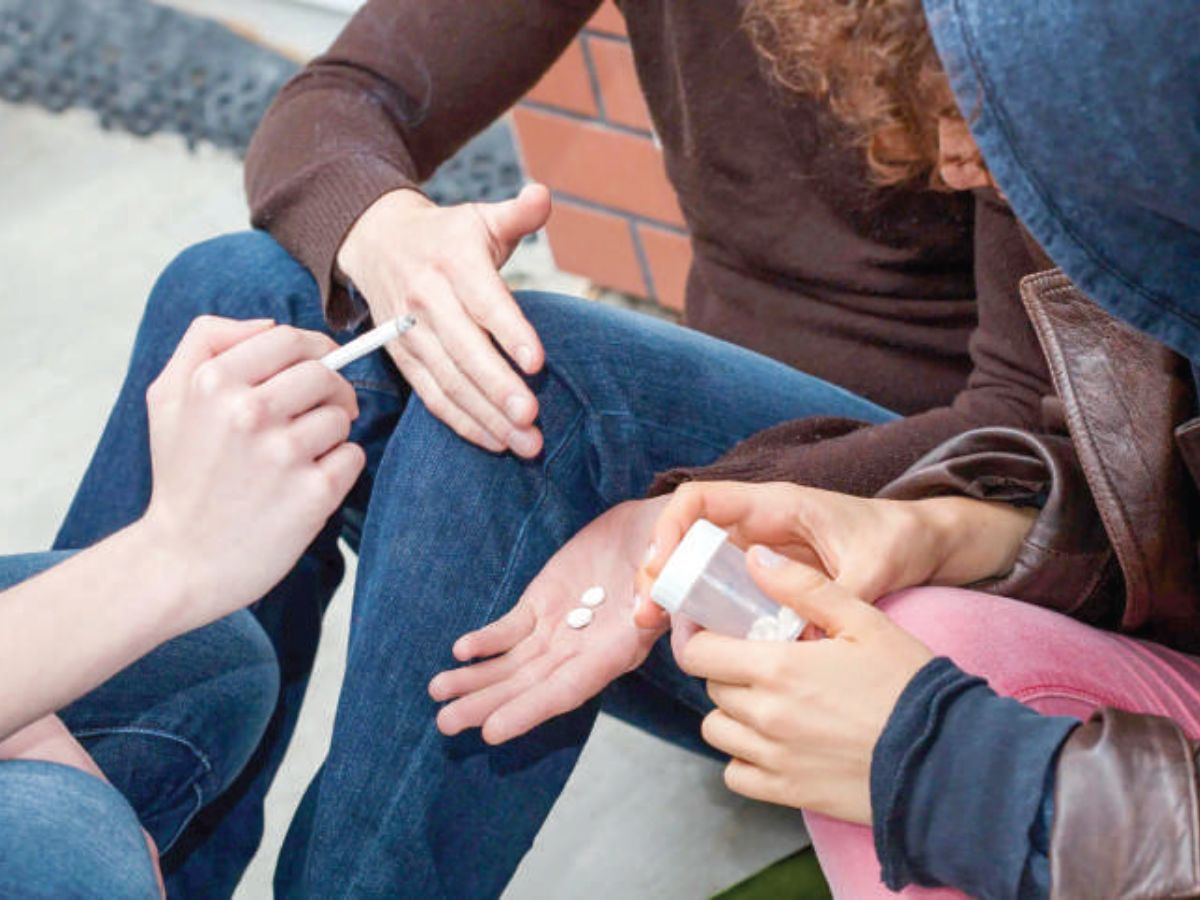
Early intervention, awareness, and deaddiction can mitigate its harmful effects. (Image: File)
Addiction can damage personal relationships, cause legal problems, lead to financial difficulties and serious health issues, and even result in death. Untreated addiction harms family members and affects the following generations. Alcohol, Nicotine, drugs, and other addictions hijack the pleasure or reward circuits or pathways in the limbic system of the brain that produce feelings of pleasure and motivation. When activated, they release a burst of dopamine, which reinforces the behaviour and habits, and drives the pursuit of further “rewards” like drugs, food, wealth, power, and sex. Addiction also sends emotional danger-sensing circuits into overdrive, making one feel anxious and stressed when denied the addiction. Addiction is a complex brain disorder where repeated use of a drug or engagement in misbehaviour changes brain function, creating an intense urge that weakens self-control, leading to a persistent, compulsive craving despite negative consequences. The phrase "Cigarette smoking is injurious to health" is a statutory warning to protect public health, displayed on cigarette packets and in advertisements, encouraging people to quit or not start smoking. On the occasion of World Mental Health Day (October 10), let us raise awareness of societal mental health issues, such as “Addiction is injurious to the health and wealth of the addict, family, and society”.
FACTORS THAT CONTRIBUTE TO ADDICTION: Chronic or early life stress can impair the brain's ability to regulate stress and impulses, increasing cravings and the likelihood of substance abuse and relapse, creating a vicious cycle where substances temporarily relieve stress but ultimately worsen it. Peer pressure can lead to addiction by encouraging initial substance use through the desire for social acceptance and validation. Advertisements can contribute to addiction by triggering compulsive behaviours, such as increased alcohol or food consumption, and by exploiting psychological vulnerabilities, like low self-esteem or a need for social belonging. By using idealized imagery, positive messaging, and strategic targeting, such as sports events, ads can create powerful positive associations with addictive substances or behaviours, increasing expectations, and leading to increased use, dependence, and addiction. Adolescents and teenagers are more susceptible to all these factors: stress, peer pressure, and advertisements.
NICOTINE AND ALCOHOL ADDICTION: Smoking can cause serious health problems, such as cancer, heart disease, and lung diseases. It also increases the risk for diabetes, can cause reproductive and eye problems, and lead to poor circulation and bone health. On average, smokers die 10 years earlier than nonsmokers. Smoking during pregnancy is linked to a significantly higher incidence of miscarriage, stillbirth, low birth weight, and premature birth due to nicotine and carbon monoxide, depriving the foetus of oxygen and essential nutrients. Alcohol intoxication causes behavioural problems and mental changes, including inappropriate behaviour, unstable moods, poor judgment, slurred speech, problems with attention or memory, poor coordination, and periods of "blackouts," with no memory of events. Chronic alcoholism is associated with a wide range of health problems, including liver cirrhosis, various cancers (breast, liver, and gastrointestinal), heart and blood vessel diseases, and neurological issues like severe thiamine (vitamin B1) deficiency, neuropathy, and dementia. It also contributes to mental health disorders like depression and anxiety, nutritional deficiencies, and an increased risk of accidents and injuries.
DRUG ADDICTION: Substance use disorder or drug addiction is a brain and behaviour disease that leads to an inability to control the use of a legal or illegal drug or medicine, such as narcotics, sedatives, stimulants, and anaesthetic agents, Marijuana, Opioids, Cocaine, Heroin, Methamphetamine, and Fentanyl. Drugs can cause a larger surge of dopamine, overwhelming the system and powerfully reinforcing drug-seeking behaviour at the expense of other goals. Drug addicts are more likely to get an infectious disease, such as Hepatitis and HIV, either through unsafe sex or by sharing needles with others. Out of desperation to finance their drug habit, they may resort to crime. Hallucinogens can induce fear, panic, and unpredictable behaviour. Chronic use of hallucinogens leads to mental health issues, including low self-esteem, depression, and anxiety. Some users may also experience persistent psychosis or flashbacks.
JUNK FOOD DRIVE ADDICTION: People are more likely to be addicted to ultra-processed foods (UPFs) than to alcohol or tobacco, as per a recent study by the University of Michigan and the University of Utah, published in the journal Addiction. UPFs are loaded with refined carbohydrates, fats, artificial flavourings, colours, and additives designed to stimulate the brain’s reward system without having any nutritional value. UPFs may trigger brain responses similar to those caused by nicotine or alcohol, leading to compulsive cravings masquerading as hunger, withdrawal-like symptoms, and loss of control over consumption. The middle-aged, especially women, influenced during their growing years when cheap “diet” beverages and packaged convenience foods flooded supermarket shelves, were the most affected, and got into a vicious cycle of gluttony, contributing to a growing obesity-related public health crisis. “This generation was exposed to aggressive marketing that portrayed ultra-processed foods as convenient, healthy alternatives,” and “These foods are engineered to be rewarding in ways that can hijack our natural appetite regulation,” say the authors.
GAMBLING ADDICTION: This disorder is the only behavioural addiction recognized in the DSM-5 (Diagnostic and Statistical Manual of Mental Disorders). The rise of online gambling and high-risk betting is exacerbating this issue. As per the USA statistics, online gambling increased from 15% in 2018 to 22% in 2024, and parlay betting nearly doubled among sports bettors (17% in 2018 to 30% in 2024). Despite its clinical recognition, only 39% of Americans view gambling addiction as “very serious” compared to drug or alcohol addiction. Over 80% of individuals with gambling addiction never seek treatment. Millions of gamblers have accumulated massive debts, ruining their personal and family finances, and often leading to crime or suicide.
SEX ADDICTION: Compulsive sexual behaviours are repetitive and intense sexual activities with no self-control, and without regard for the potential negative consequences. These are driven by an overwhelming need for emotional comfort or escape, rather than pure sexual gratification, and a coping mechanism to manage underlying issues like anxiety, depression, or past trauma. These behaviours can include excessive use of pornography, having multiple sexual partners, rape, or persistent engagement in sexual activities despite adverse effects on relationships, work, or health. Pornography addiction is not officially recognized as a diagnosable mental health condition. Leching, also referred to as leering, is not considered an addiction. However, compulsive and uncontrolled pornography use or other sexual behaviours can become problematic and negatively impact a person's life, and treatment is available.
ADDICTION TO VIOLENCE—THE ROAD TO PERDITION: "Road to Perdition" means a path toward disaster, ruin, or damnation, eternal punishment, or hell. The 2002 movie by this name was about honour, betrayal, vengeance, violence, sin, and a journey to utter destruction, morally and spiritually. Some persons or groups become conditioned to violent reactions to various provocative stimuli, including perceived insults or dishonour, so that eventually, such stimuli trigger automatic violent, mindless behaviours and a compulsive habit, an addiction. Alcohol and Cannabis are correlated with aggression, and are associated with certain types of personality (Refer to my earlier article on personality disorders on May 11, this year). Some hallucinogens, such as phencyclidine (PCP), can induce agitation, hostility, and violent behaviour. Distorted judgment and perception can lead to accidents and dangerous actions, often associated with paranoid or delusional thinking. Classic psychedelics like psilocybin reduce aggressive behaviour by a temporary breakdown of the sense of self. Heightened suggestibility due to hallucinogens allows other people and surroundings to influence or manipulate the person to commit a violent or criminal act.
POWER ADDICTION: Power abuse disorder is a neuropsychiatric condition, an addictive behaviour of a power wielder. Power (and wealth) can trigger the brain's reward system, releasing dopamine, and reinforce the desire for more power, and may become a part of the person’s self-worth and identity. The brains of individuals addicted to power may react in ways that resemble psychopaths or patients with frontal brain damage, lacking empathy and high in narcissism or self-love, encouraging abuse of power. The neurological shift occurs incrementally, with increasing abuse of power without consequences. Rapists and serial killers often have a power addiction, as the act of raping or killing is driven by an urge as addictive as experiencing a "high" from drugs, by controlling and dominating their victims. This can manifest as a compulsion to escalate the level of violence or control, similar to other addictions, and lead to a cycle of repeated acts to experience the feeling of power.
DEADDICTION: Good parental and social support and a peaceful, healthy environment, preventive measures, recognition and correction of behavioural disorders, early in life, can prevent much suffering later in life. Although there's no cure for drug and other addictions, deaddiction and psychotherapy can help overcome an addiction, and stay drug-free. The treatment depends on the addiction and any related medical or mental health disorders. Long-term follow-up is important to prevent relapse.
Dr. P.S. Venkatesh Rao is a Consultant Surgeon, Former Faculty CMC (Vellore), AIIMS (New Delhi), and a polymath in Bengaluru.
