
For decades, cardiologists have observed a recurring seasonal pattern in clinical practice. The frequency of heart attacks tends to increase during winters. Not only this, patients with pre-existing heart disease tend to deteriorate during the colder months. They need more frequent and longer hospitalisations.
Traditionally, this surge in cardiac complications has been attributed to the physiological effects of low temperatures. Wintry weather results in an elevation of blood pressure due to a combined effect of blood vessel constriction and an excessive accumulation of salt in the body (due to reduced sweating). Lack of physical activity combined with a tendency to indulge in richer, heavier food, team up to result in an increase in body weight, elevation of blood sugar and cholesterol levels. All these contribute to a significant increase in the metabolic load on one’s cardiovascular system, leading to the spurt in these cardiovascular events.
The Changing Nature of Winter
While the above-mentioned explanations seemed adequate and enough thus far, they do not, somehow, align with present-day realities. So, are we missing an invisible elephant in the room?
Thanks to global warming, winters in North India are noticeably milder and shorter than they were a few decades ago. The sharp dip in temperature that once defined the season has softened. If winter temperature was the only reason for an increase in cardiac events, a reduction in the winter chill should have resulted in a reduction in the incidence of cardiac events. Yet, this has not happened. The winter surge in cardiac events not only persists but has in fact worsened.
Another evidence that some other factor is at play here, is that countries with far harsher, longer winters do not witness such a startling and noticeable spike in cardiac events, as we in North India do. These observations weaken the argument that low temperatures alone are to blame and suggest that other significant factors may be contributing to winter heart disease in India.
The Overlooked Role of Air Pollution
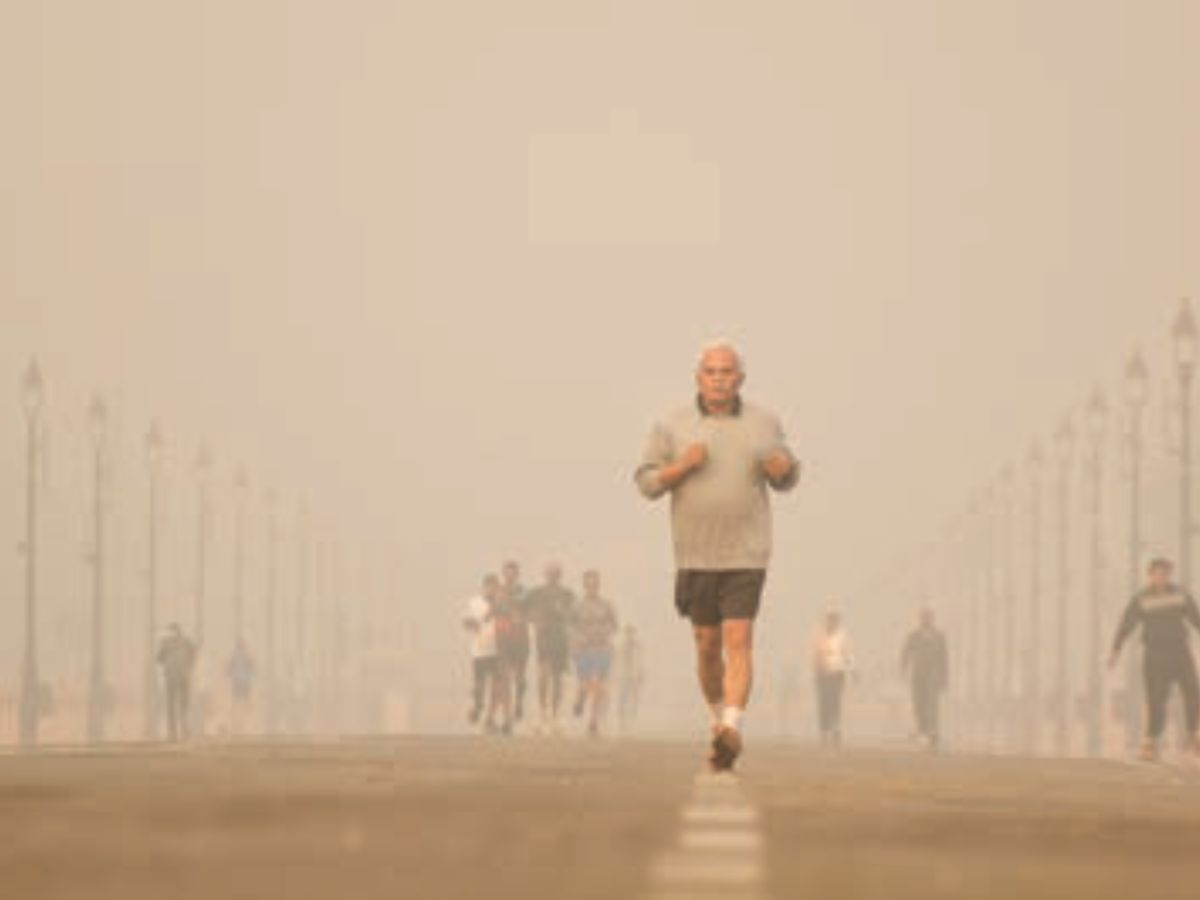
One consistent and constant accompaniment of the North Indian winter is a remarkable rise of air pollution that invariably accompanies the drop in temperatures. As temperatures fall and air circulation slows, a dense and stubborn layer of smog settles over almost all North Indian cities. This smog is a combined result of trapped vehicular emissions, construction dust, industrial effluents, and the massive seasonal influx of smoke from crop stubble burning. The parallel rise in air pollution and cardiac hospitalisations during winter is too striking to ignore or dismiss.
While we lack large-scale scientific, population-based studies linking quantitative pollution levels to cardiac events, global evidence and year-after-year seasonal trends strongly suggest that polluted air may be the hidden trigger behind this pattern.
Understanding Particulate Matter: PM10, PM5, and PM2.5
Much of winter air pollution consists of particulate matter — tiny airborne particles categorised by size as PM10, PM5, and PM2.5.
PM10 includes particles ten micrometres or smaller, primarily arising from road dust, construction sites, pollen, and industrial debris. These particles irritate the eyes, nose, and throat and worsen respiratory symptoms. However, most are filtered out by the upper airway before they reach deeper organs. They are the visible components of smog, but from a cardiovascular perspective, they do little harm.
PM5, which consists of particles five micrometres or smaller, penetrates further into the respiratory tract. Generated by a mix of construction dust, partially combusted industrial fuels, and vehicular emissions, PM5 particles trigger inflammatory responses within the body, indirectly increasing cardiovascular stress.
The most harmful category of pollutants is PM2.5 — ultra-fine particles that are 2.5 micrometres or less. These nearly invisible particles are small enough to evade the body’s natural filtration systems. These particles originate from diesel exhaust, stubble burning, coal-based power plants, firecrackers and industrial furnaces. Because they are so small, PM2.5 particles travel deep into the lungs, cross into the bloodstream, and circulate to vital organs, including the heart, making them particularly dangerous.
How do PM2.5 particles harm the cardiovascular system?
Once PM2.5 particles enter the bloodstream, they initiate a series of harmful effects on the cardiovascular system, triggering inflammation, destabilising cholesterol plaques and increasing the likelihood of plaque rupture — a key event responsible for heart attacks. They also generate oxidative stress, producing free radicals that damage vessel walls, accelerating the progression of atherosclerosis. PM2.5 particles also make blood thicker and platelets stickier, thereby increasing the risk of clot formation in blood vessels.
Prevention and the Way Forward
Addressing the cardiovascular impact of air pollution requires action at multiple levels. Personal measures include wearing N95 or N99 masks during high-pollution periods, avoiding outdoor exercise in the early mornings and using air purifiers at home.
Communities can help in reducing air pollution by promoting green belts, discouraging open waste burning, and supporting public transport or car-pooling to reduce traffic congestion. The most important contribution by any community is to adhere to regulations and guidelines, keeping the concern for society above personal conveniences.
Healthcare delivery systems must incorporate pollution exposure into cardiac risk assessment, track seasonal trends in admissions, and counsel vulnerable patients about high-risk days. It is also time for healthcare professionals to collaborate in larger, population-based scientific studies to evaluate the menacing health effects of air pollution and propose guidelines both for the general population as well as policy makers.
At a broader scale, strong policy measures remain essential. Stricter emission norms, effective regulation of construction and industrial pollution, sustainable alternatives to crop burning, and rapid transition toward clean energy will all play a critical role in reducing population-level exposure.
Long-term residents of North India have had multiple trysts with air pollution. There have been years of terrible air pollution, interspersed with periods of relatively clean air. Invariably, these periods of respite have resulted from combined community participation, legislative measures (such as closure of polluting industries within the capital and change of fuel from diesel to CNG for public transport) and effective implementation of these laws by governmental agencies. Hopefully, we will, once again, find a way to address this ever-increasing winter menace through a collaborative and participative strategy. Till that happens, personal measures are the surest prevention against cardiac complications due to air pollution.
Prof Hemant Madan is an Interventional Cardiologist and Programme Head, Cardiac Sciences for Narayana Health.




