
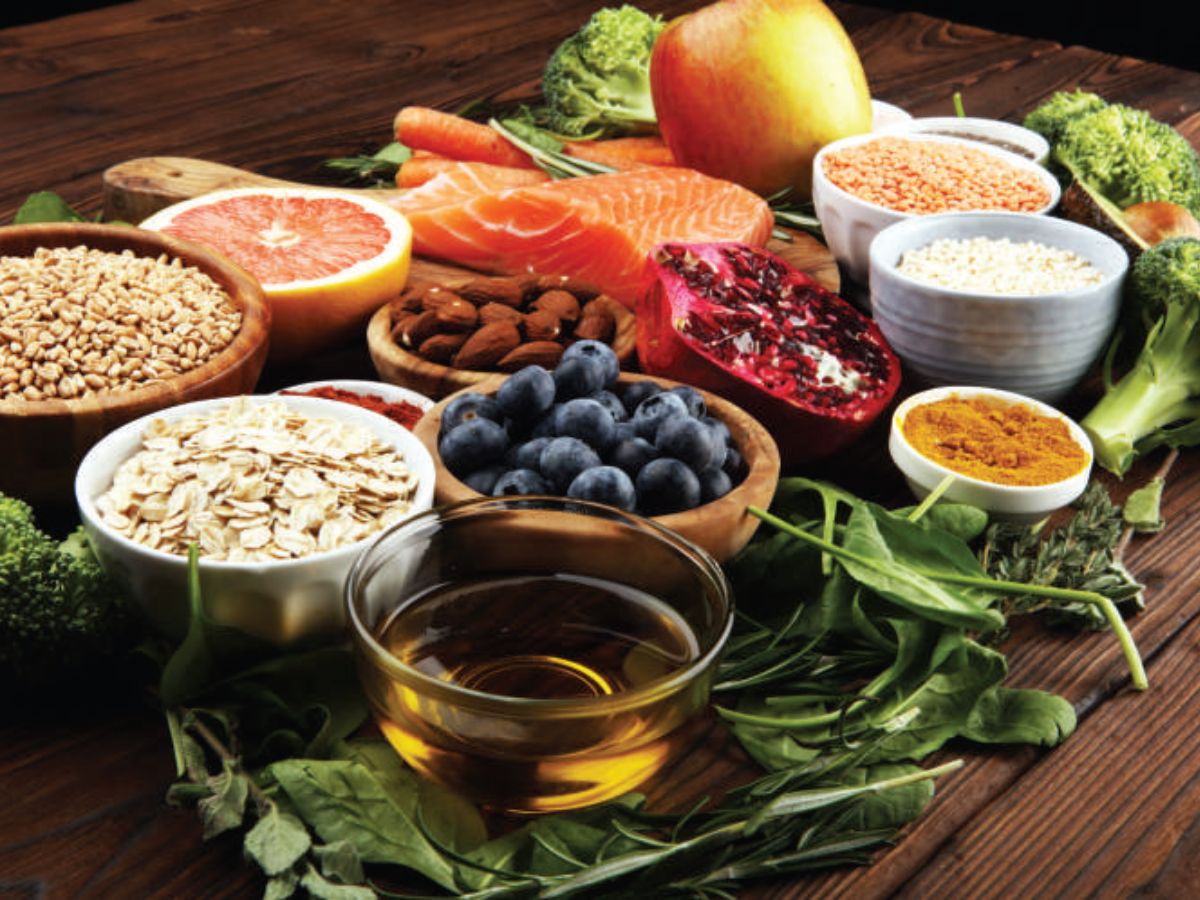
Diet essentials include natural, unprocessed fibrerich carbohydrates as the main energy source, essential fats as a backup energy source and protective lining, proteins as building blocks, vitamins and minerals as catalysts, regulators and enablers, and water as ‘the elixir of life’. A balanced, healthy diet consists of diverse foods like fruits, vegetables, whole grains, sprouts, legumes, milk proteins or other lean proteins, and healthy fats. It provides energy, necessary building blocks, essential fats, and micronutrients, while limiting processed foods, sugars, unhealthy saturated fats, and salt.
CARBS, THE ENERGY POWERHOUSE: Sugars, starches, and fibre are the three types of carbohydrates in food. Carbohydrates are the body’s main energy source. Carbs are found in whole grains, fruits, and starchy vegetables. Meat, fish, and poultry have only protein and fat, and zero carbs (except for minimal glycogen stored in the liver of an animal). Dairy products have lactose sugar, which constitutes around 35% of milk solids, around 40% of whole milk powder, and even more of whey powder. It influences the processing, texture, and flavour of all dairy products, milk powder, yogurt, and cheese. Fiber is present only in unprocessed plant foods and is essential for our gut microbiomes and health. Fats are only a backup store of energy. Proteins are building blocks, and excess proteins cannot be stored; instead, they are deaminated into carbohydrates and toxic ammonia. A healthy “low carb” diet for weight loss or blood sugar management, excludes processed carbs, and carb dense, high calorie nuts, dates, dried fruits (Raisins, prunes, figs), white rice, refined flour (Maida, corn, etc,), potatoes, sweet potatoes, mangoes, bananas, durian, jackfruit, sapotas, custard apples, persimmon, and coconut. High-calorie, fatrich vegetable oils, ghee, nut butters (peanut, almond), and avocado also need to be restricted for those on a low-carb weightreducing diet.
DIETARY FIBRE: Dietary fibre, though indigestible, is a key nutrient for promoting a healthy gut microbiome. The gut microbiome plays a crucial role in producing and processing nutrients for us. It synthesizes significant amounts of vitamin K and various B vitamins, including biotin, cobalamin, folates, nicotinic acid, pantothenic acid, pyridoxine, riboflavin, and thiamine, and aids in the absorption and utilization of minerals iron and calcium. Additionally, gut bacteria ferment dietary fibres and other complex carbohydrates, producing short-chain fatty acids (SCFAs) like butyrate, acetate, and propionate, which are vital nutrients. Butyrate is a major energy source for colon cells, while acetate and propionate can be absorbed and used by the body for various metabolic processes.
ESSENTIAL FATS: Lipids are a diverse group of water-insoluble organic molecules, including fats, waxes in plants, steroids like cholesterol, and fat-soluble vitamins, that are crucial for all forms of life. Fats are triglyceride esters of one molecule of glycerol and three fatty acid molecules. There are four types of edible fats: healthier monounsaturated (MUFA) and polyunsaturated (PUFA) fats are liquid at room temperature, of which monounsaturated fats are solid when chilled; the less healthy saturated fats are solid at room temperature; and the dangerous, largely artificial trans fats. Fats are a backup energy storage, and help absorb fat-soluble vitamins, A, D, E & K. They are crucial for building cell membranes and nerve coverings, including the brain. Fats are precursors for important hormones and signalling molecules like prostaglandins, leukotrienes, and thromboxane. They also help feel full after eating (satiety).
Essential fatty acids (EFAs) in our diet are two unsaturated fats, omega-3 alphalinolenic acid (ALA) and omega-6 linoleic acid (LA), as the body can’t make them. Omega-3 fatty acids lower your triglyceride levels, thus reducing the risk of heart disease and stroke. Docosahexaenoic Acid (DHA), derived from ALA, is an essential omega-3 fatty acid vital for brain and eye development and function. Fatty fish (salmon, tuna, mackerel, sardines) oil, flaxseeds, chia seeds, walnuts, and canola oil are rich in Omega-3 fats. Sunflower, corn, safflower, soybean oils, nuts, and seeds are rich in Omega-6 fats. Omega-6s are abundant in diets, but additional omega-3-rich foods or supplements may be required. Avocados and olive oil are rich in monounsaturated fats, particularly oleic acid.
Saturated fats are present in fatty meats, dairy (butter, cheese, cream), and a few plant-based sources like coconut and palm oil. They raise LDL (“bad”) cholesterol levels, increasing the risk of heart disease. Trans fats are created when vegetable oils are hydrogenated, heated above their smoking point, or reheated, and are present in margarines, snack foods, baked, and fried foods. These raise LDL cholesterol and lower HDL (“good”) cholesterol, increasing the risk of heart disease. Consume unsaturated fats (monounsaturated and polyunsaturated) in moderation and limit or avoid saturated and trans fats for better health. Excess body fat leads to multiple health issues.
Cholesterol is a waxy, fatlike substance needed to build cells, hormones, particularly for steroid hormones like estrogen, testosterone, and cortisol, and vitamin D, with our liver producing most of it, while animal foods have them. It travels in the blood via lipoproteins, mainly LDL (“bad”) and HDL (“good”), but too much LDL leads to plaque buildup (atherosclerosis) in arteries, increasing risks for heart attack and stroke. Managing cholesterol involves diet, exercise, and sometimes medication, as high levels can clog blood vessels.
FATS ARE ESSENTIAL TO AVOID “RABBIT STARVATION”: Mid- to northern latitude hunting people would avoid non-fat (lean) animal kills as consuming more than about 300 g of fat free protein per day (about 1200 kcal), could lead within a week or two to a debilitating, even lethal condition known as “rabbit starvation” (or protein poisoning), which results from consuming too much protein and insufficient fat in environments where plants (carbohydrates) are scarce.
The remaining energy deficit had to be filled using non-protein sources, mostly animal fat. Fat provides a critical non-protein source of energy in the absence of carbs, contributing twothirds to three-quarters of the total calories in traditional hunting diets at high latitudes.
Hunters would strategically target the fattest animals available. They primarily consumed the fattiest body parts and organs, often discarding much of the lean muscle, particularly from areas like the thighs and shoulders. Hunters often killed numerous animals to ensure they obtained enough fat, sometimes leaving most of the lean carcasses untouched to rot, which highlights the critical need for fat over lean meat.
VITAMINS AND MINERALS, THE ENABLERS: Deficiencies in micronutrient intake result in significant immune system and other health issues. Vitamins regulate various bodily functions. Essential vitamins are vitamin A, vitamin B1 (thiamine), vitamin B2 (riboflavin), vitamin B3 (niacin), vitamin B5 (pantothenic acid), vitamin B6 (pyridoxine), vitamin B7 (biotin), vitamin B12 (cobalamin), vitamin C, vitamin D, vitamin E, vitamin K. Minerals play vital roles in regulating bodily processes and functions such as nerve and muscle function, release of energy, and in bone and teeth health. The human body requires essential macro-minerals in larger quantities and trace minerals in smaller amounts.
Macro-minerals: Calcium is needed for building and maintaining strong bones and teeth, muscle contraction, blood clotting, nerve transmission, and cell signalling. Phosphorus with calcium builds strong bones and teeth, and it helps in the release of energy. Magnesium supports many body functions, including energy release, nerve and muscle function, blood sugar control, and blood pressure regulation. Sodium helps regulate blood pressure and blood volume, and is important for muscle and nerve function. Potassium is crucial for heart, cell, skeletal, and muscular functioning, and helps maintain normal blood pressure. Chloride as an electrolyte helps maintain fluid balance in the body and is important for digestion. Sulphur is a component of amino acids and other important molecules in the body. Trace minerals required are iron, zinc, copper, selenium, iodine, cobalt, chromium, manganese, molybdenum, and fluoride. Flavonoids, bioflavonoids, and choline are other desirable micronutrients.
WATER THE ELIXIR OF LIFE: Water is crucial for hydration, temperature regulation, nutrient transport, flushing waste, lubricating joints, and protecting organs. Men need more water, about 3L/day, than women, 2.7L/day, due to larger body size, higher muscle mass (which holds more water), and higher metabolic rates, leading to greater fluid loss through sweat and respiration. Individual water needs vary greatly with activity, hot or humid weather, ill-health (fever, vomiting, or diarrhoea), and high altitudes. Women’s hydration needs also fluctuate with hormonal changes, requiring more fluid during the menstrual cycle, pregnancy, and lactation. Thirst and deep coloured urine indicate dehydration, whereas clear or paleyellow urine indicates good hydration.
Raw food is more nutritious as cooking reduces nutritional value. A daily diet of raw and whole foods like fresh fruits, vegetable salads, anti-inflammatory herbs and spices, natural probiotics like curds and fermented foods (not alcohol), and whole grains like millets, in discrete amounts, fuels good health, energy, motivation, and delays aging.
Dr. P.S.Venkatesh Rao is a Consultant Surgeon, Former Faculty CMC (Vellore), AIIMS (New Delhi), and a polymath in Bengaluru, drpsvrao.com




