(Image: Ref./The News Minute)
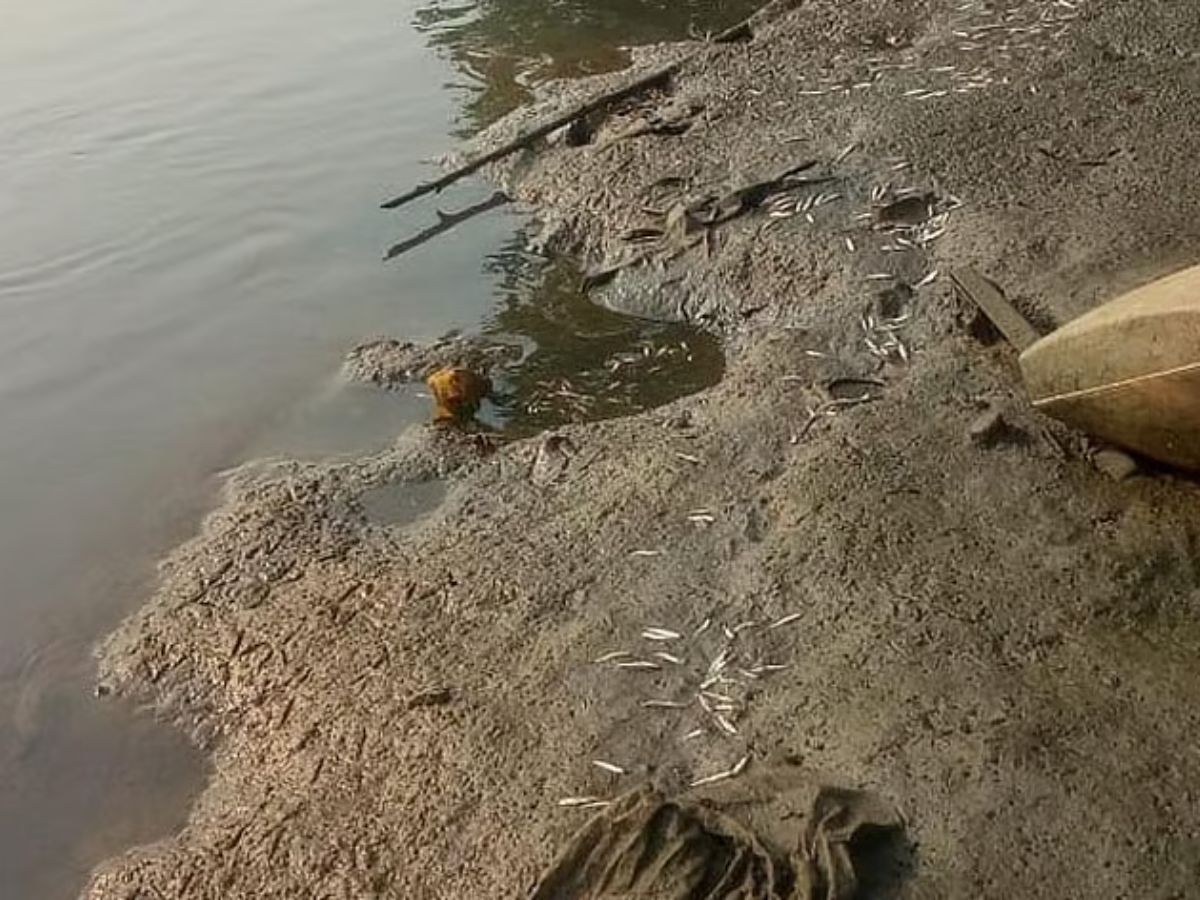
The outbreak of “braineating” amoeba infections or PAM (primary amoebic meningoencephalitis) in Kozhikode district and the adjacent Malappuram district, in Kerala, has drawn attention to the dangers of contaminated water. 120 cases have been reported in Kerala so far, including 68 this year, with Naegleria fowleri as the causative agent in most cases, and a few cases due to Vermamoeba Vermicularis and Acanthamoeba, other genera of the free-living amoebae. Most infections followed swimming in contaminated water bodies. The infection spreads to the brain through the roof of the nose, which is separated from the base of the skull by a thin, perforated bone called the cribriform plate. The death of a three-month-old infant, following amoebic encephalitis, was suspected to be due to contaminated holy water used for nasal rinsing. Ritual (Islamic) nasal rinsing, called “wudu”, is usually performed several times a day in preparation for prayer. Jal Neti is a traditional yogic nasal cleansing technique that uses a Neti pot filled with saline water to rinse the nasal passages, clear mucous, promote clear breathing, and alleviate sinus issues, allergies, and congestion.
INFECTIONS FOLLOWING FLOODS: Floodwaters have caused havoc this monsoon. They overwhelm sanitation and storage systems, contaminating drinking water and food sources with pathogens from sewage, decaying matter, and dirt. Their dirty water leads to skin infections and the spread of waterborne diseases (Cholera, Typhoid, dysentery, Hepatitis A, Polio, Giardiasis, Cryptosporidiosis, and Amoebic dysentery). Wound Infections, gangrene, and Tetanus due to wounds exposed to contaminated water can prove fatal. The pools of stagnant water left behind provide mosquito breeding grounds and trigger outbreaks of Dengue, Malaria, Chikungunya, Zika, Japanese Encephalitis, West Nile virus, and Yellow-fever. Respiratory infections and other communicable diseases spread among humans and animals in crowded emergency shelters. Rodent-borne diseases like Leptospirosis spread due to unsanitary conditions.
WATER CONTAMINATION AT BATHING GHATS: Bathing "Ghat" refers to a series of steps leading down to a water body, which can be a river bank, at the confluence of rivers, or a lake or a pond at a holy site. Bathing in ghats and other contaminated recreational waters exposes people to infections caused by bacteria, viruses, and parasites. The most common infections are diarrhoea, vomiting, and stomach cramps, caused by swallowing contaminated water. The risk is greater where high levels of faecal coliform bacteria are found due to factors such as inadequate sewage treatment, cremation rituals followed by the immersion of ashes, and mass bathing during festivals. Contaminated water can lead to bacterial and fungal infections of the skin, ears, eyes, and urinary tract. Inhaling water droplets or aerosols containing bacteria can cause lung infections such as Legionnaires' disease, especially in individuals with weakened immune systems. Vaginal infections after swimming are typically not from the water itself, but from prolonged wearing of a wet bathing dress, which creates a warm, moist environment ideal for yeast and bacteria to thrive, leading to conditions like yeast infections or bacterial vaginosis (BV). Fertilizer and pesticide runoff from farms and untreated or partially treated industrial effluent can introduce harmful chemicals, heavy metals, and toxic chemicals into these waters.
SWIMMING POOL CONTAMINATION: The pool water can get contaminated by dirt washed in from the walking area around it, faecal matter or other bodily fluids (urine, saliva, mucous) from infected swimmers, or bird droppings, or dust and leaves blown into it, or dogs or toads and other creatures entering it. Infections from swimming pools include diarrhoea, vomiting, and dehydration (often by E. coli, Norovirus, and Cryptosporidium), skin rashes and infections, ear infections (swimmer's ear or Otitis Externa), eye irritation and infection (conjunctivitis), and respiratory or flu-like symptoms. These infections occur on swallowing or on contact with contaminated water, or by breathing in contaminated water mists. Walking barefoot over fungal spores from an infected person, on the periphery of the swimming pool, can lead to Athlete's foot, or tinea pedis. Using a contaminated towel can lead to skin infections due to bacteria (impetigo or folliculitis), virus (molluscum contagiosum or "water warts"), and fungus (ringworm or jock itch). Chlorine in pools can irritate the urethra, making it easier for bacteria to enter the urinary tract. Ozone (O₃) is used in swimming pools as a powerful disinfectant and oxidizer of pathogens and organic impurities. It creates a safer, clearer, and more pleasant environment than chlorination by eliminating chloramines (formed when chlorine and ammonia react in water), which irritate skin and eyes. Since ozone leaves no residue, it is often used in conjunction with a small amount of chlorine or bromine to ensure continuous disinfection throughout the pool.
SALT WATER: Saltwater Infections, especially from warm, coastal waters, are usually due to Vibrio bacteria, particularly Vibrio vulnificus ("flesh-eating bacteria"), which infects through cuts, scrapes, open wounds, or ingested water, or inhaled water mists, or contaminated raw seafood like oysters and clams on the beach. These infections, known as vibriosis, can cause gastroenteritis, serious skin and wound infections, including necrotizing fasciitis (a spreading gangrene under the skin). Infections from beach water contaminated by sewage or faecal matter include gastrointestinal illnesses like vomiting and diarrhoea from bacteria such as E. coli, etc., ear and skin infections, and parasitic infections like swimmer's itch (cercarial dermatitis). Cutaneous larva migrans (a skin rash) can be contracted from animal hookworms in the sand that penetrate the soles of the feet. Warts caused by the human papillomavirus (HPV) can be picked up from contaminated sand or surfaces, especially when there is a skin cut or wound. Excrement from animals can deposit pathogens like Salmonella and Campylobacter into the sand. Cyclones or typhoons or hurricanes, and tsunamis contaminate beaches by washing pathogens in polluted runoff and debris (trash and microplastics) ashore, and redistributing sea sediments containing heavy metals and toxic chemicals. They also damage industrial facilities, chemical plants, and storage tanks, leading to the release of hazardous materials, radioactive substances, oil spills, and other pollutants. Receding water can carry human waste and other land-based contaminants, including pathogens, into the ocean and onto beaches.
RARE DISEASES CONTRACTED BY SWIMMING IN PONDS, LAKES, AND WETLANDS: Other than the rare PAM discussed at the top of this article, some other rare diseases can be contracted in contaminated waters. Cercarial dermatitis, also known as swimmer's itch, is a temporary, itchy skin rash caused by an allergic reaction to microscopic parasites called cercariae. These parasites, released by infected snails into freshwater or marine habitats, accidentally penetrate human skin when humans are in the water. While humans are not suitable hosts, and the parasites quickly die, the penetration triggers an itchy rash with small red bumps and blisters, typically appearing on exposed skin surfaces shortly after water exposure. Melioidosis is a severe, tropical bacterial infection caused by Burkholderia pseudomallei, which lives in soil and water. The disease can be contracted by inhaling or ingesting contaminated dust and water, or through contact with infected soil and wounds. Symptoms vary widely, from skin lesions and pneumonia to a potentially fatal septic shock, and individuals with diabetes or other chronic illnesses are at higher risk.
PREVENTION: To prevent brain amoeba infection and other water-borne infections, avoid swimming, diving, or placing your head underwater in warm, stagnant freshwater, especially during hot weather. Use nose clips or hold your nose shut to prevent water from entering your nasal passages when in such waters. Do not stir up sediment and decaying matter in shallow, warm waters, as this is where the amoeba lives. Always use boiled, distilled, or properly filtered water for nasal rinsing. Thoroughly clean and disinfect the device used for this. Pour the solution gently, and do not force water into the nose. Water filters labelled "NSF 53," "NSF 58," or with an absolute pore size of 1 micron or smaller can eliminate germs. Ensure swimming pools and water parks are well-maintained with adequate chlorination or ozone. To prevent infection, shower before and after swimming. Use portable test strips to check pool water quality if unsure. Do not swim if you have diarrhoea, skin cuts, eczema, conjunctivitis, or other infections. Check that swimming pools, spas, and water tanks are adequately cleaned and chlorinated. At bathing ghats, check for advisories or warnings regarding water quality and avoid bathing during periods of high contamination, such as after heavy rainfall. Avoid entering the water if you have any open cuts, wounds, or skin infections. Do not bathe in water that appears murky, smells bad, or has algae blooms. Avoid swallowing water; close your nose to prevent entry of water. Bathe with soap after swimming to remove any contaminants and minimize the risk of infection. People with weakened immune systems, the elderly, and young children are vulnerable and should be cautious. Educate children about water safety and safe swimming habits, as they are more likely to swallow or inhale water.
Dr. P.S.Venkatesh Rao is a Consultant Surgeon, Former Faculty CMC (Vellore), AIIMS (New Delhi), and a polymath in Bengaluru.
