Three decades after the Hazratbal siege, Kashmir still remembers the month faith held its ground. Oral histories, politics, and restraint keep its memory alive.
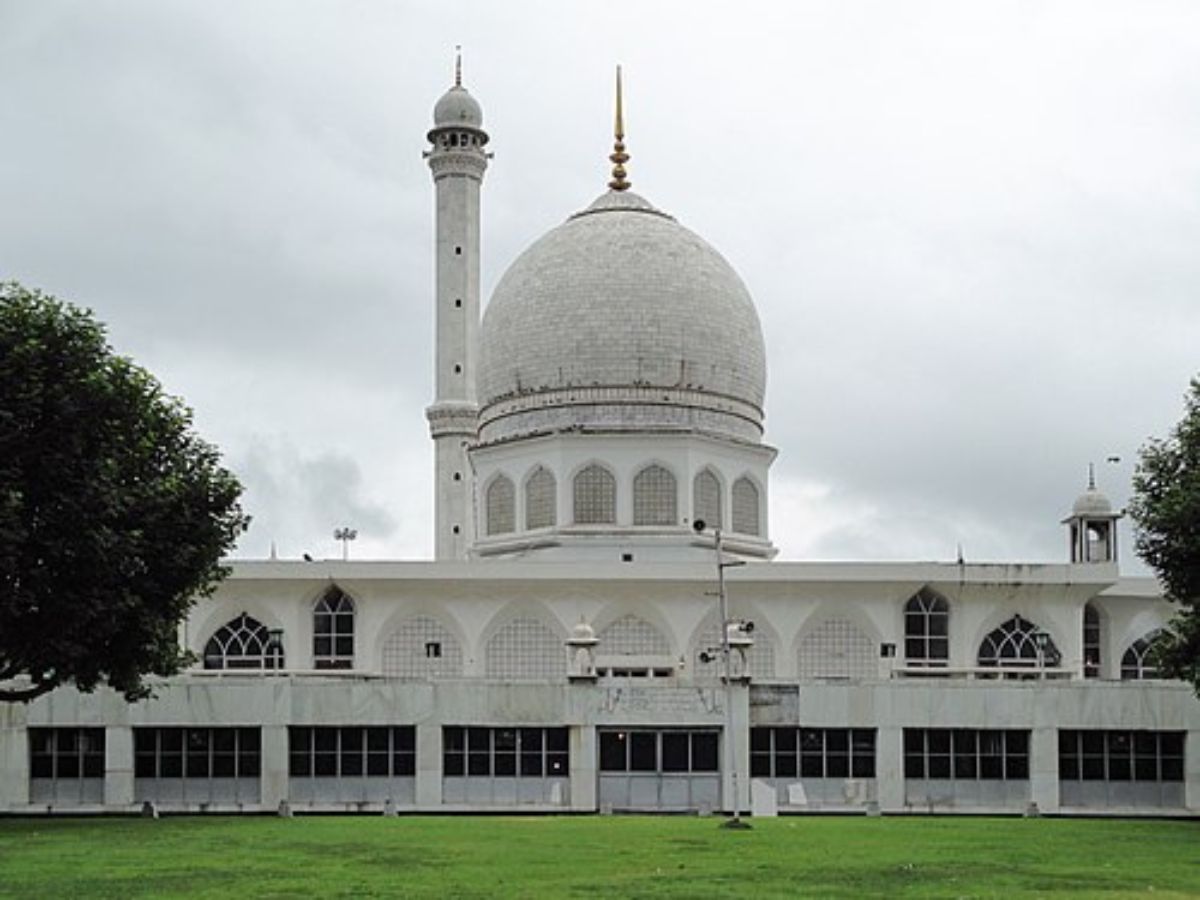
Hazratbal in the Collective Memory, Three Decades On (Image: X/@Real_Mubashir)
On the lakeside lawns, people still tell the story in quiet voices. They talk about the month when armed men entered Hazratbal, the shrine that holds the Prophet’s relic, and how the city held its breath. They remember curfews, long walks to buy bread, and the fear that a sacred place might be harmed. What they remember most is that the shrine stood untouched in the end and how close things came to breaking.
Oral histories shape the way the event lives on. Elderly shrine-goers recall the hush during the festival “deedar,” when thousands gather for a glimpse of the relic. Shopkeepers near Dal Lake speak of shuttered days and thin earnings. Mothers remember keeping lamps on at night so children felt safe.
Anniversaries are quiet but steady. In October and November, families mention the siege in prayers. Local groups hold small meetings, sometimes in community halls, to talk about what happened and why restraint mattered. Newspapers run short remembrances, often with a photo of the white-marble facade.
Academic writing has given the event a frame. Researchers describe Hazratbal as a “site of belonging,” where faith and Kashmiri identity meet. They note how terrorists tried to use that meaning for publicity and pressure, and how the state responded by keeping force outside the sanctum and talking through clerics. In this work, the lesson is clear--sacred spaces carry social power, and violence around them can spread fast. The safest path is to reduce heat, slow decisions, and protect the ritual life of the place.
In Jammu and Kashmir’s politics, the memory appears in different ways. Separatist voices cite the siege to argue that public anger can be mobilised when religion is touched. Mainstream parties point to the peaceful end to claim that dialogue can work. The civilian administration stresses that it handled the crisis as law-and-order, not war.
Over time, these strands have produced a common message most people accept: keep shrines out of the arena. The Army and other forces speak of Hazratbal as a case of restraint. They ring-fenced the complex, stayed out of the sanctum, and gave talks room to work. Images of terrorists leaving without guns, with the shrine and relic intact, support this line.
Memory travels faster today. Phone photos of old newspaper clippings circulate on WhatsApp every year. Teachers in some schools ask students to speak with grandparents about the siege and write short notes on what they learned. Local imams remind worshippers that shrines are for prayer, not for politics. When rumours flare, neighbourhood elders often move first: they warn against gathering near sacred sites, and they ask people to wait for verified news.
This is the heart of the story, three decades later. People have learned to spot the trap. When a holy place is used as cover, the purpose is not worship but pressure and spectacle. The memory of 1993 makes families more careful, clerics more vocal, and officials quicker to set ground rules. It also gives confidence that patient steps—a firm perimeter, civil communication, and clergy-led mediation can keep faith safe.
Hazratbal endures as devotion, not drama. The shrine still fills on festival mornings. The relic is shown on special days. Life along the lake goes on. The memory of 1993 remains as guardrails: do not let anyone turn belief into a weapon, and do not answer provocation inside a sacred space.
(Aritra Banerjee is a defence and security columnist)
