High-quality, food-grade containers are made of safe, non-porous materials like lead-free borosilicate glass,ceramic or stainless steel.
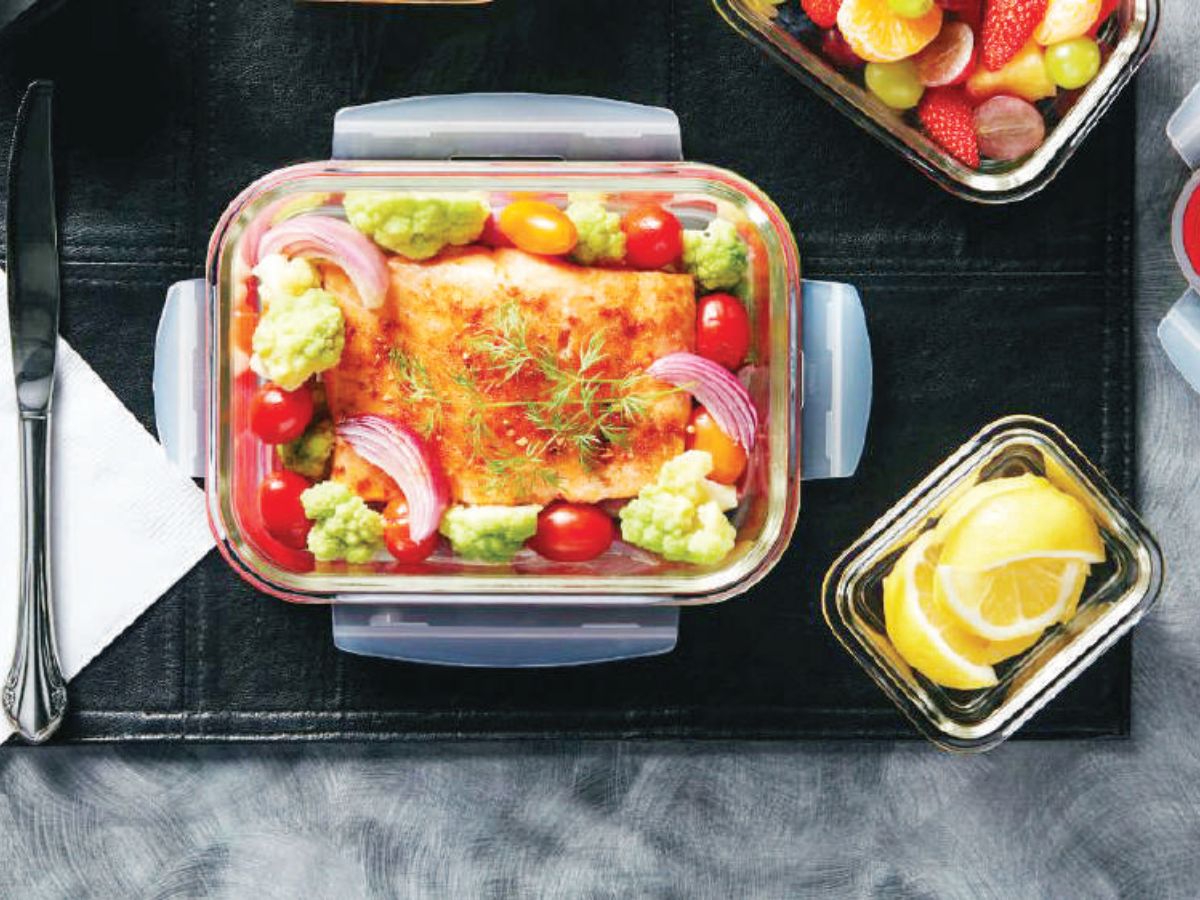
A food container is as important as its contents to ensure food safety during storage and transport, by providing a physical, chemical, and biological barrier against bacteria, pests, moisture, chemicals, pollutants, and odours, thus preventing contamination, spoilage, and foodborne illnesses. High-quality, food-grade containers made of safe, non-porous materials like lead-free borosilicate glass, ceramic, or stainless steel are free of harmful chemicals and easy to clean. Air-tight containers of appropriate size minimize air space and help keep food fresh.
FOOD PACKAGING: As enumerated in an earlier article, food-grade packaging is free from harmful chemicals and residues that could contaminate the food. Many food packaging materials contain harmful chemicals that can leach into food, particularly when exposed to heat, fatty substances, or acidic ingredients. Over time, these chemicals like BPA and other bisphenols, phthalates, PFAS, the 'forever' chemicals, vinyl chloride, and styrene contribute to serious health risks, including hormone disruption, cancer, thyroid and immune toxicity, and metabolic disorders. BPA is found in the lining of cans, phthalates in plastic food wrap, PFAS in greaseproof wrappers, vinyl chloride in PVC containers, and styrene in Styrofoam cups. Many conventional tea bags release microplastics, bleach, and other chemicals into your tea and the environment. Black recycled plastic cutlery and trays may contain residues from electronic waste. Reused plastics, certain food-poisoning colours, and printing on the inner food-contact surface of food packs are prohibited. The printing ink in street food newspaper wrapping has lead and hydrocarbons. Aluminium foil and cans have excellent barrier properties for non-corrosive foods and beverages, but should not be used for acidic foods. PET, PP (Polypropylene), and virgin HDPE are food-grade plastics that are durable, non-absorbent, non-reactive, resistant to corrosion, resistant to acidic food and moisture, and do not leach harmful chemicals into food. Paperboard cartons are suitable for dry and frozen foods.
FOOD STORAGE CONTAINER: Food-grade non-stick flexible silicone used as baking mats, muffin cups, cake moulds, whisks, spatulas, baby pacifiers and nipples, food storage containers, lids, gaskets and seals in pressure cookers, blenders, and other kitchen appliances, is heat-resistant, does not react with food or beverages, or produce any hazardous fumes, and is a safer option compared to lower-quality versions which may contain fillers. Glass jars with transparent Polypropylene (PP) lids and flexible silicone or rubber gasket for a secure seal, are safe and popular food containers. Traditional stainless steel boxes or stainless steel vessels with PP lids and silicone seals are safe and more suitable for heating or refrigeration. Beware of cheaper, less flexible, and unsafe substitution of silicone with colourful nylon that melts or degrades, and leaches harmful chemicals at high temperatures. Recycled HDPE containers and cheap PVC plastic tubs and cups are best avoided. Black PVC plastics are made of recycled electronic and other waste, and contain heavy metals and toxic chemicals, and should not be used for food, beverages, or water.
COOKWARE: Aluminium cookware exposed to acidic foods can leach aluminium or copper, which is linked to neurological diseases like Alzheimer's. Anodized aluminium is safer, as long as its surface is intact. Copper is an essential element, but excess copper from acidic food in copper cookware can damage multiple organs. When heated, plastic utensils and melamine vessels can release microplastics and harmful additives like flame retardants, dyes, and other chemicals into food. Non-stick (Teflon) pans, especially if damaged, can release microplastics and toxic fumes when heated above 500°F, causing flu-like symptoms called polymer fume fever. Older Teflon pans also contain PFOA, a chemical linked to several health problems like cancer and hormone disruption. Modern non-stick pans may still contain PFAS, or "forever chemicals," which don't break down easily and can accumulate in the body. Ceramic-coated pans with coatings that wear off can leach the underlying metals. It's important to use non-stick pans at low heat, avoid overheating them, and check for damage to the coating. Safe alternatives include well-seasoned (a natural non-stick surface) cast iron, lead-free borosilicate glass, and high-quality stainless steel cookware.
CUTTING BOARDS: Plastic cutting boards, even if coated with a biocide like Triclosan, can harbour bacteria in scratches and grooves, and release harmful chemicals and microplastics when exposed to hot foodstuffs or the sun. Soft wooden boards can have mould and harbour bacteria. The safest cutting surfaces are regularly washed and oiled, end-grain hardwood boards (like maple, teak, or walnut) or non-porous materials such as glass, ceramic, granite, or stainless steel, but these may quickly dull the knife. Plastic spice grinders with plastic grinding mechanisms can release microplastics into the ground spices. Glass or stainless steel spice grinders are safer.
DINNERWARE AND TABLEWARE: Serveware (for group) and dinnerware (for each individual) (plates, bowls, platters, and pitchers) are used for serving and presenting food. Tableware (dishes, cutlery, and glasses) is used for serving, eating meals, and drinking water and beverages. Here again, stainless steel and lead-free borosilicate glass and ceramics are safe. Wooden and bamboo spoons and chopsticks are safe, provided they are not lacquered. Banana leaf and leaf plates are safe and nature-friendly. Plastics, aluminium, and enamelled ware, Styrofoam, plastic, plastic-coated paper cups, and plastic straws are best avoided, especially for hot or acidic foods and beverages. The glaze of old, chipped, cracked, or worn ceramic ware can leach toxic metals like lead and cadmium into your food. Vintage glassware contains lead, as a high proportion of lead oxide was used to give a beautiful prismatic brilliancy and also make it easier to work with at lower temperatures. Painted or decorated drinking glasses may contain toxic lead and cadmium in the paint.
OTHER KITCHENWARE: Silicone tubing and components in vending machines are safe, easy to clean, and durable. LPG (Liquefied Petroleum Gas) used for cooking is a mixture of propane and butane, which are heavier than air and tend to accumulate near the ground, posing a higher risk of ignition and explosion. CNG (Compressed Natural Gas) is a lighter methane gas that disperses easily in case of a leak, and is used in vehicles. Incomplete LPG combustion in a gas stove, indicated by a yellow or orange flame and soot, is primarily caused by insufficient oxygen due to food spills, grease, and dust clogging the small holes on the burners, or an incorrect air-to-gas ratio due to poor ventilation, or a stove designed for Piped Natural Gas (PNG has methane, like in CNG). Other causes include low gas pressure from a faulty regulator, a gas leak or a near-empty cylinder, a damaged or kinked gas hose, or impure contaminated gas. Such incomplete combustion produces dangerous and toxic carbon monoxide (CO), and other gaseous hydrocarbons, lethal in the absence of good ventilation. High concentrations of leaked LPG vapour can cause respiratory irritation, heart problems, drowsiness, dizziness, headache, nausea, and, in severe cases, seizures, coma, and death. Prolonged, low-level exposure may lead to neurological damage, nosebleeds, and eye irritation.
Among the many hazards of a microwave oven are food-borne illnesses from uneven cooking and radiation leaks from improperly maintained ovens. Plastic wraps are typically made from low-density polyethylene (LDPE) or polyvinylidene chloride (PVDC), which contain compounds that have been linked to an increased risk of breast cancer in women. Do not microwave food in plastic containers or with a plastic wrap. An Induction stove is safer and more efficient than a gas stove or a microwave oven. To minimize air fryer hazards, choose well-manufactured models, ensure proper ventilation, use food-grade silicone liners, keep it clean, avoid damaging the non-stick coating, cook foods at lower temperatures, and avoid overcooking or charring foods. Refrigerator hazards include toxic or lethal chemical leaks from refrigerants, and harmful mould or bacterial foodborne illnesses from spoiled food.
Also, beware of oven cleaners that contain very toxic chemicals. Use a combination of soap, baking soda, and salt instead. Check dish and dishwasher soaps for chemicals like formaldehyde and synthetic fragrances dangerous to health. Use vinegar, lemon, or baking soda instead of harsh detergents. Old kitchen sponges may harbour bacteria and should be replaced. Coconut coir is a natural substitute for scrub pads.
SAFE FOOD HANDLING AND STORAGE: Use air-tight containers of appropriate-sized borosilicate glass jars with transparent Polypropylene (PP) lids and flexible silicone or rubber gaskets and stainless steel boxes or stainless steel vessels with PP lids with silicone seals for food storage. The safest cutting surfaces are regularly washed and oiled, end-grain hardwood boards or non-porous materials such as glass, ceramic, granite, or stainless steel. Use safe, well-seasoned cast iron or high-quality stainless steel cookware, and preferably an induction heater. Use stainless steel or lead-free borosilicate glass or ceramic dinnerware and tableware, and banana leaf or leaf plates. Use natural cleansing agents instead of harsh chemicals. Nutritious food needs hygienic handling and storage on clean and safe surfaces to keep it healthy.
Dr. P.S. Venkatesh Rao is a Consultant Endocrine, Breast & Laparoscopic Surgeon, and a polymath, in Bengaluru.
