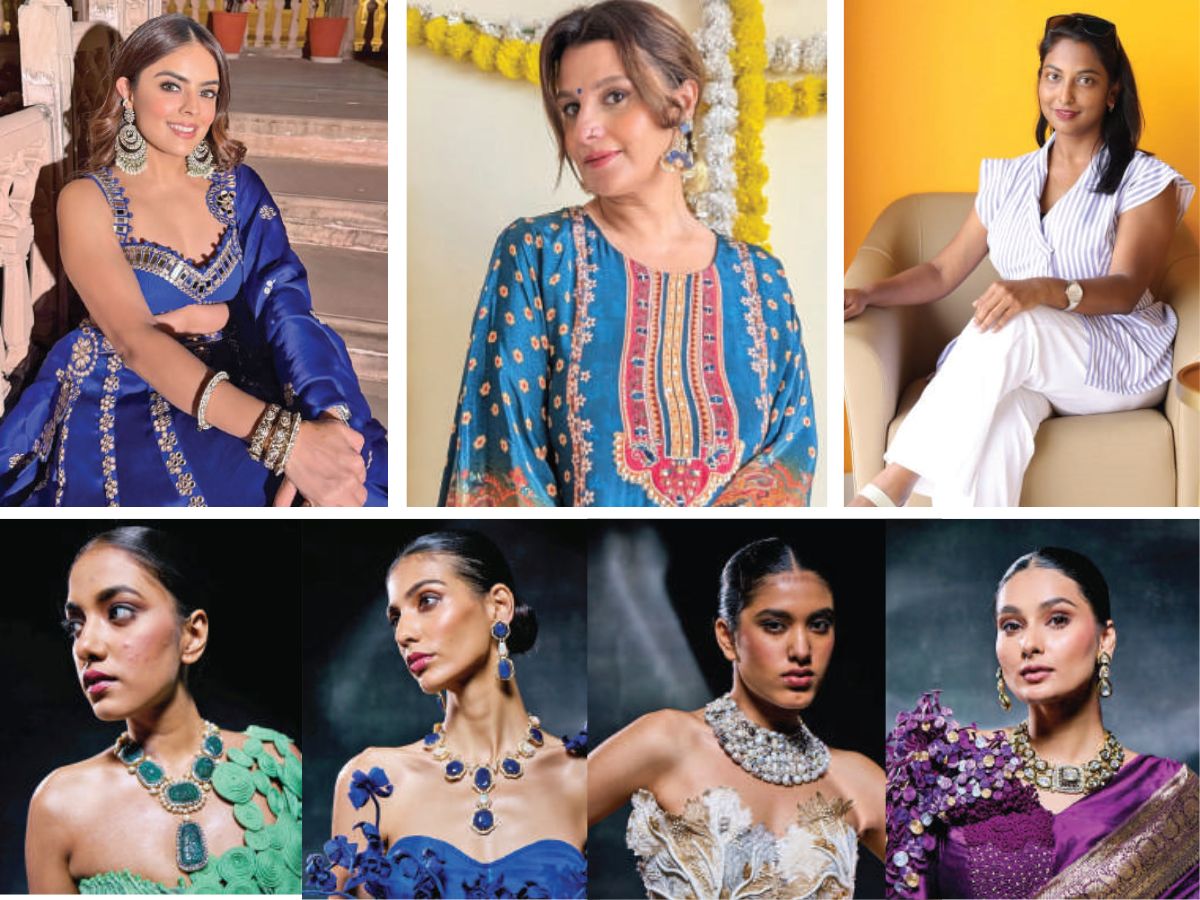
Simran Luthria | Payal Shankar| Arulmozhi Nandakumar
Ask a 20-something what their most valuable commodity is, and you are likely to hear paeans to obscure sneaker drops and be regaled with stories of tracking down vintage pre-loved Chanel bags. Those heavy-duty layers of gold and gemstone jewellery that our ancestors set store by? They don’t factor in. The perception of fine jewellery is undergoing a seismic shift. Once seen as a marker of wealth, permanence and legacy, jewellery is no longer viewed as treasure to be passed down generations. Instead, the younger generation is reimagining it as a personal style statement to fit a variety of life roles, without breaking the bank. It’s a brave new world as far as jewellery purchases go. Gold, diamonds and other gemstones are no longer considered a one-time purchase locked away for special occasions. Minimal, expressive and wearable is therefore, the order of the day. Aspirational designs are more accessible than ever before, and fine jewellery – defined more as exquisitely crafted than investment-worthy – has become an everyday indulgence.
Shifting to affordably priced raw materials allows for greater creativity in designs. Increasing competition and demand ensures that the craftsmanship and the quality of the pieces remain intact, even if they don’t strictly fall under the high-end jewellery category. Further, changing price realities ensure that jewellery is more inclusive and adaptable to contemporary lifestyles. However, traditional mindsets resist the change. Manik Jain, Partner, ISVARI Jalandhar Jewellery House, a fourth-generation jewellery enterprise based in New Delhi, explains, “The jewellery landscape has evolved significantly, especially in the last two years. With the rising price of gold, customers have become far more conscious of value-driven purchases. Instead of turning to alternatives for gold, they now invest in high-quality gemstones and diamonds, with a focus on authenticity and long-term worth rather than quantity.”
35-year-old dentist, Dr. Arulmozhi from Chennai moonlights as a lifestyle blogger. She also founded the Chennai Moms Tribe in 2019 – a successful community parenting platform. With such varied demands on her daily life, she has a practical approach to buying jewellery. She wears her real diamonds in her rings and earrings on most days, but for content creation and events, she picks contemporary pieces with designs that can easily be restyled and re-worn with different outfits. She declares, “I prefer to buy contemporary jewellery. I don’t like wearing traditional sets. I feel change is inevitable, especially when non-precious jewellery can look so gorgeous.”
It seems hard to picture the average working Jane shunning her daily-wear gold and diamond studs in favour of demi-fine pieces. But it’s happening across the board. 34-year-old homemaker Ashna Sahni from Chandigarh explores exhibitions and fairs to scout for new jewellery to wear to the multiple social events she attends on a weekly basis. Whether it’s a Mata ki Chowki, a lunch kitty party or the launch of a new store, the right jewellery goes a long way in getting noticed. “It’s the same crowd, and everyone is constantly changing things up or styling their old pieces differently. There’s a pressure to keep up, and we can’t just rely on our heirloom jewellery,” she says.
Simran Luthria from Mumbai, a 33-year-old content creator, adds, “I shop across the spectrum of fine jewellery, lab-grown diamonds and imitation pieces. My timeless, investment-worthy pieces are usually natural or lab-grown diamonds, while I buy imitation jewellery for trendy, seasonal statement pieces that work well for content. The key for content creation is to ensure the jewellery stands out visually. People don’t focus on whether it’s natural, lab-grown, or imitation, as long as it looks striking. With sustainability being a buzzword, melting older jewellery to create new pieces with recycled gold, silver and platinum is on the rise. The entire premise of lab-grown diamonds rests on being a more ethical and eco-friendly option without compromising on quality. Packaging should preferably be made with recyclable or biodegradable materials or repurposed fabric. Some brands even advertise their carbon neutrality by investing in projects to reduce greenhouse gases, thus balancing out their carbon footprint. People are opting for trade-ins by returning their jewellery to brands and buying new designs in their stead. Jewellery saving schemes in the market providing returns as high as 25-30 percent are designed to help younger consumers develop a habit of saving for their future, while experiencing the joy and satisfaction of rewarding themselves with something meaningful.
Further, to fast track their growth, brands follow certain policies – creating multi-use stackable pieces, making a variety of lines using 9k/14k/18k or silver with vermeil options, focusing on lab grown diamond sets for everyday elegance and affordable luxury, and ensuring seasonal capsule drops to keep novelty alive without overproduction. Wondering where people are discovering these brands and varieties? Mostly through celebrities and influencers on social media. When they see multiple outfit changes and extravagant looks on their favourite people online, they want to emulate them. Brands are cashing in on this by creating social media content that’s authentic and grabs attention. They share customer stories and photos, show off the craftsmanship and share the history of their gemstones, and pay influencers to increase their reach.
Pune-based entrepreneur Payal Shankar’s jewellery buying mindset has changed multiple times in her 44 years. Starting with collecting statement pieces whenever she had the chance, she shifted to more wearable and minimal jewellery. When asked to choose, she says her first pick will always be a traditional Polki set, but she is open to trying lab-grown diamonds too. “I think these diamonds are here to stay. With the new generation being conscious and aware, smart choices will help the lab-grown diamond industry flourish.”
With the youth heavily influenced by social media and their peers, and seeking appreciation and validation from their social circles, the investment value and longevity of a jewellery item are taking a back seat to other practical considerations like finances, sustainability, trendy styles and versatility. Most big brands are now diversifying to cater to this trend, aiming to attract young, working women who tend to buy jewellery for themselves, as opposed to waiting for it to be gifted by family members at milestone occasions. Ultimately, any form of art – be it jewellery, a saree, a watch or even a car – is at its best when it is seen, used and enjoyed. The joy of wearing or experiencing something beautiful can’t be matched by the returns of a financial investment.
Noor Anand Chawla pens lifestyle articles for various publications and her blog www.nooranandchawla.com.
