China’s Xinjiang “boarding schools” erase Uyghur identity through forced Mandarin education and separation from families—education turned into cultural annihilation.
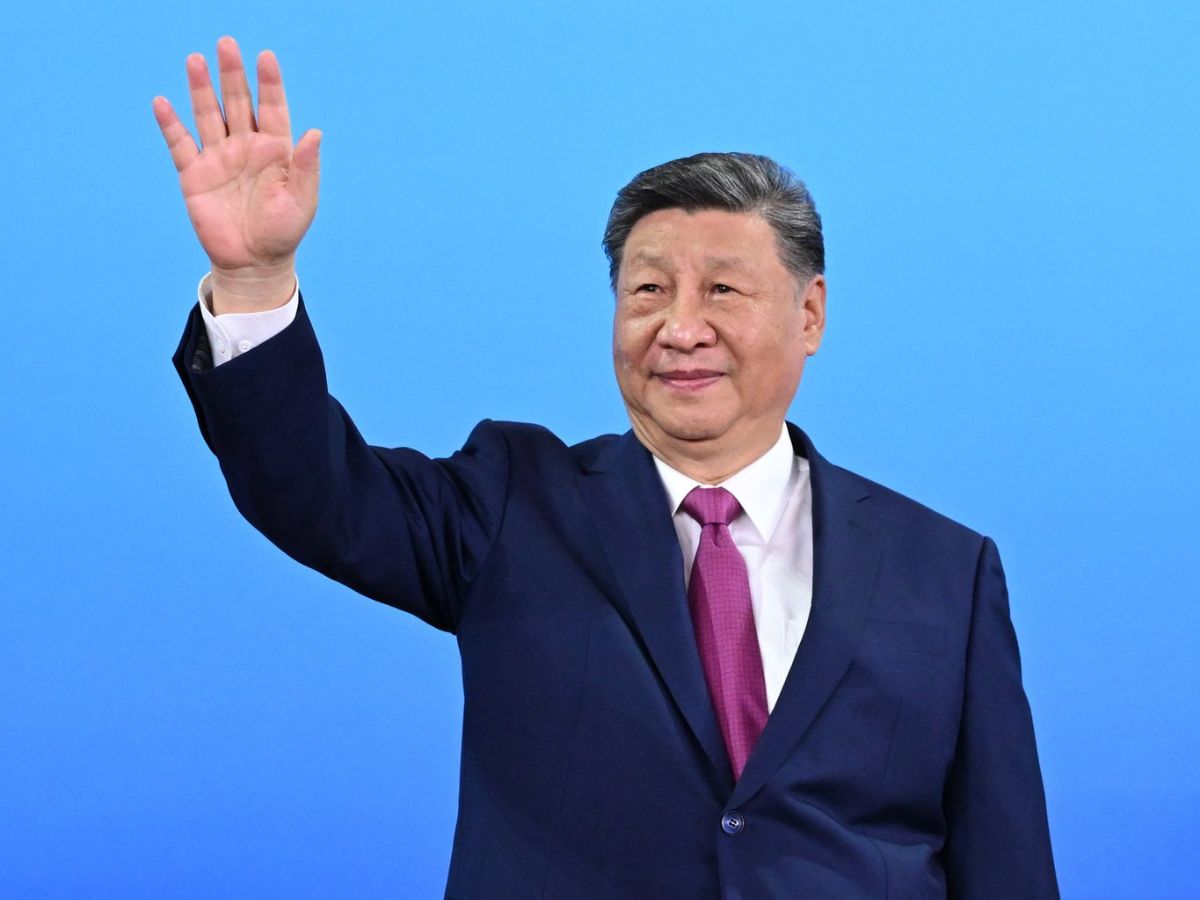
Language as Target, Children as Victims: Inside China’s ‘Education’ Campaign in Xinjiang (Image:X/@SpoxCHN_MaoNing)
Beijing calls it schooling. Uyghurs call it separation. In China's Xinjiang region, state boarding schools have become instruments of systematic cultural erasure. Human Rights Watch documented that authorities separated countless children from families without parental consent. United Nations experts revealed that large-scale removal placed them in boarding schools where Mandarin is used almost exclusively. Researcher Adrian Zenz uncovered that in Uyghur-majority townships, government data shows over 400 minors have both parents in internment.
In June 2017, Xinjiang's Hotan Prefecture Education Department issued a directive that completely banned the Uyghur language at all educational levels. The directive prohibited the use of the Uyghur language, writing, signs, and pictures in the educational system. Mandarin must be fully implemented for three years of preschool. Teachers face sanctions for using Uyghur outside specific classes. This policy strips children of words that connect them to their heritage, rendering them linguistically orphaned.
UNESCO recognises language rights as fundamental to cultural identity and educational effectiveness. Research confirms that children taught in their mother tongues achieve better academic results and have lower dropout rates. Yet Beijing's policies systematically violate these principles. The UN High Commissioner emphasises that linguistic rights require states to provide education in minority languages. China does the opposite.
Academic research demonstrates that speaking native tongues is critical to Uyghur youth social capital, empowering them to maintain ethnic identity against assimilation. When children lose language, they lose access to culture, religion and familial bonds. Communist Party educational policies amount to coordinated efforts diminishing the Uyghur language whilst spreading Chinese.
Ministry of Education data reveals the calculated nature of this programme. Official reports indicate that by early 2017, nearly half a million children were enrolled in boarding schools. Since September 2021, all ethnic minority kindergartens must use the national standard language, creating Mandarin environments from the earliest age. Xinjiang's preschool gross enrolment reached over 98 per cent by 2020. These figures represent not educational achievement but cultural genocide infrastructure.
Psychological trauma remains largely undocumented due to an information stranglehold, but escapee testimonies paint harrowing pictures. The Kuchar brothers spent nearly twenty months in boarding schools where they were beaten, locked in dark rooms and forbidden from speaking Uyghur. Upon return, they had forgotten their mother tongue. Their father lamented that standing before his two Chinese-speaking children felt as though they had killed him. Such separation inevitably leads to lost connections and undermined cultural, religious and linguistic ties.
This systematic separation constitutes cultural genocide under international law. Expert linguists affirm that deliberate acts that destroy language, religion, or culture qualify. Beijing's boarding policy specifically targets Uyghurs. The discriminatory nature is evident: whilst approximately 14 per cent of rural elementary children in China board, in Tibet that rate exceeds 79 per cent.
Breaking identity through classrooms represents Beijing's strategy. By severing children from linguistic and cultural roots whilst developmentally vulnerable, the government ensures future generations grow devoid of Uyghur identity. Camps may close, but generations raised viewing heritage as shameful will perpetuate Beijing's objectives without further coercion.
Foreign journalists report schools with barbed wire and surveillance appearing like detention facilities. Children sing propagandistic songs praising the Communist Party and absorb curricula designed to vilify heritage, whilst glorifying Han culture.
The ramifications extend beyond individual trauma. An entire generation is systematically disconnected from cultural moorings. When these children become adults, they will lack linguistic tools for Uyghur literature, cultural knowledge for traditional practices, and family bonds that transmit identity. This represents erasure through calculated bureaucratic patience.
Beijing justifies policies as poverty alleviation and counter-extremism. Officials claim that parents voluntarily send their children to schools that provide better resources. Yet this narrative collapses under scrutiny. Parents face coercion through a lack of alternatives and intimidation. Village schools teaching in Uyghur have systematically closed, leaving no choice but state boarding facilities.
The system operates with precision. Government documents specify quotas for institutionalising children, mandate political indoctrination curricula, and outline punishment systems for language violations. Procurement records reveal construction with watchtowers, electric fences, and surveillance. These are re-education centres for children. Former detainees describe harsh conditions. Children must pledge loyalty to the Communist Party, renounce Islamic practices, and demonstrate transformation before release. Many witnesses experienced torture, sleep deprivation and sexual abuse. Some contemplate suicide.
The implications extend internationally. Uyghur diaspora communities face anguish knowing relatives' children are institutionalised. Parents abroad cannot return without detention. Children cannot leave to join their parents overseas. Families remain permanently separated. Education should liberate minds, not imprison identities. What Beijing implements in Xinjiang perverts this fundamental principle, transforming schools into sites of cultural annihilation. For Uyghur children, education has become indoctrination, and classrooms have become cages where identity goes to die.
(Ashu Mann is an Associate Fellow at the Centre for Land Warfare Studies. He was awarded the Vice Chief of the Army Staff Commendation card on Army Day 2025. He is pursuing a PhD from Amity University, Noida, in Defence and Strategic Studies. His research focuses include the India-China territorial dispute, great power rivalry, and Chinese foreign policy.)
