Chronic inflammation silently harms vital organs and accelerates aging. Learn causes, symptoms, tests, foods, and ways to prevent it.
Inflammation is part of the immune (body's defence) response to tissues injured by bacterial, viral (eg, Covid-19), fungal, or parasitic infections, physical trauma or radiation, or exposure to toxic chemicals. Inflammation helps localise and eliminate the cause and initiate repairs. It causes a warm, red, painful swelling and stiffness. Excessive or prolonged (chronic) inflammation can prove harmful instead of being helpful.
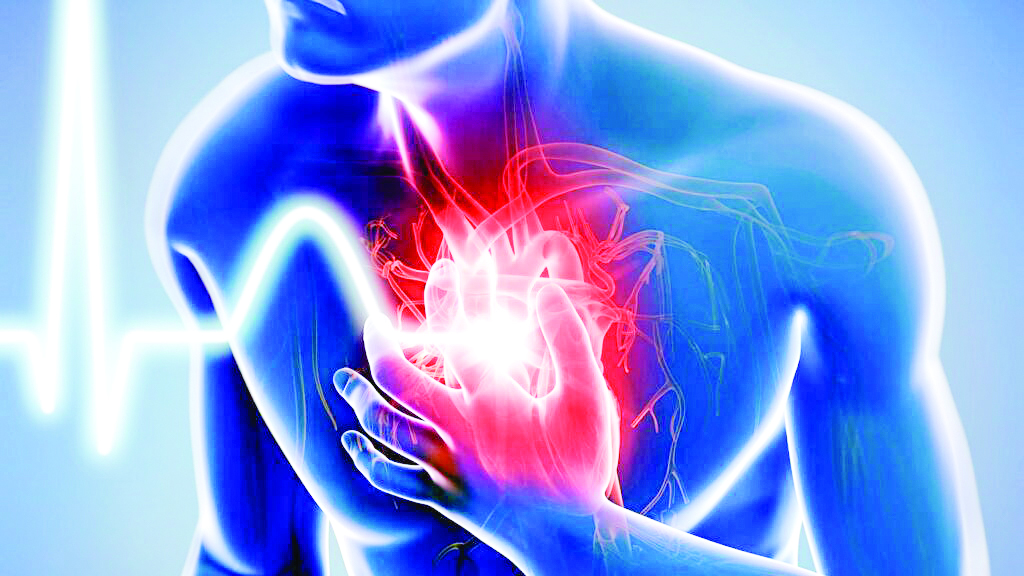
Severe inflammatory reaction, like in sepsis, can affect the entire body and injure vital organs, leading to life-threatening multi-organ failure. A sedentary lifestyle, chronic stress, obesity, poor diet, unhealthy gut microbes, disrupted sleep, and exposure to tobacco, drugs, pollutants, irritants, and allergens can trigger chronic inflammation. Chronic inflammation can damage healthy tissues, vital organs, and the inner lining of blood vessels, leading to fat deposition in the arterial walls (atherosclerosis), increasing the risk of developing blood clots, heart attack, and stroke.
Managing inflammation is therefore crucial for preventing heart attacks, stroke, and blockage of blood supply to other vital organs and body parts. Inflammation of the heart muscles (Myocarditis) can cause heart failure, arrhythmias, and sudden cardiac death. Chronic inflammation also contributes to the development of type 2 diabetes, cancer, chronic obstructive pulmonary disease (COPD), autoimmune disorders, gut disorders (Crohn's disease, irritable bowel syndrome, ulcerative colitis), arthritis, asthma, Alzheimer's disease, and certain skin diseases. INFLAMMAGING: For decades, it was assumed that chronic low-level inflammation ("inflammaging") is a natural part of ageing. Studies suggest that modern lifestyle and not aging, causes chronic inflammation, as it is more common among modern urban societies than among rural and tribal populations. Inflammatory ultra-processed foods, toxic pollutants, sedentary behaviour, and high stress keep stress hormone levels high, the immune system over-stimulated, and age the body and vital organs prematurely.
The significance of biological age over chronological age was discussed in my article last Sunday. Biological aging depends more on environmental and behavioural factors than on genetic factors. Exercise reduces stress, burns fat, helps maintain ideal body weight, enables deep sleep, strengthens the body, improves stamina, mental health, and slows down biological aging. SYMPTOMS OF CHRONIC INFLAMMATION: Chronic inflammation symptoms are often subtle or seemingly unrelated, like feeling ill (malaise), persistent fatigue, breathlessness, body pain, joint pain and stiffness, bloating, abdominal pain, constipation, or diarrhoea, headache, mouth sores, dry eyes or mouth, memory problems, and mood disorders such as anxiety or depression.
The compromised immune system can present with susceptibility to frequent infections, cancers, and autoimmune diseases (where the immune system mistakenly attacks its body parts), like rheumatoid arthritis, lupus, and multiple sclerosis. Atherosclerosis and excessive blood clotting can present as stroke or heart attack, or signs of blockage of blood to the lungs, kidneys, liver, intestines, or limbs. Asthma and chronic obstructive pulmonary disease (COPD) are inflammatory lung conditions that present with breathlessness. Fatty liver (steatosis) is fat accumulation without inflammation in the liver and is reversible with lifestyle changes, weight loss, exercise, and a healthy diet. It can progress to inflammation and liver cell damage (non-alcoholic steatohepatitis, NASH) and lead to fibrosis (scarring), cirrhosis, and liver failure, and present with persistent fatigue, weakness, loss of appetite, unexplained weight loss, nausea, bloating, jaundice, easy bruising, and vomiting blood. Inflammatory bowel disease (IBD), including Crohn's disease and ulcerative colitis, is characterized by an imbalance of healthy and unhealthy gut microbes (dysbiosis) and inflammation in the digestive tract, presenting with pain, diarrhea, fatigue, and weight loss. Chronic inflammation can manifest as skin rashes, itching, or other skin issues.
BLOOD TESTS FOR CHRONIC INFLAMMATION: Chronic inflammation may silently lead to serious illnesses like heart disease, diabetes, cancer, and arthritis, and certain blood markers of chronic inflammation can help identify low-grade, ongoing inflammation early. C-reactive protein (CRP) is produced by the liver during inflammation. Elevated CRP levels are associated with various chronic diseases, including cardiovascular disease, rheumatoid arthritis, and cancer. Highly sensitive CRP (hs-CRP) test (ideally less than 1.0 mg/L) is useful for estimating cardiovascular risk. Elevated levels of homocysteine, often caused by deficiencies in B6, B12, and folate, predispose to heart disease and stroke. Interleukin-6 (IL-6), Tumor Necrosis Factor-alpha (TNF-α), and other pro-inflammatory cytokines are elevated in various inflammatory disorders like sepsis and autoimmune diseases.
Erythrocyte Sedimentation Rate (ESR), Ferritin, Procalcitonin, and Serum Amyloid A (SAA) are also elevated in chronic inflammation. High uric acid can indicate an inflammatory response to uric acid crystals in joints (Gout), blood vessels, and elsewhere in the body. INFLAMMATORY FOODS: Sugar triggers inflammatory responses and elevates levels of cytokines by up to 40% within 2 hours of consumption. Artificial sweeteners disrupt gut microbiome balance, increasing production of inflammatory compounds called lipopolysaccharides. Ultra-processed foods (UPF) are ready-to-eat or cook, industrial formulations with food extracts and synthetic additives with little nutritional value. Additives include sweeteners, colouring agents, emulsifiers, acidifiers, and acid regulators. Ultra-processed protein shakes, sugary drinks, candy, desserts, fried foods (chips, French fries and fried chicken), processed cheeses, commercial baked goods (white bread, cake, cookies, crackers), pasta, pizzas, refined cereals, sauces, ketchup, mayonnaise, refined and hydrogenated (Vanaspati) cooking oils, processed meats (sausages, hotdogs, bacon, bologna, pepperoni and salami), and excessive amounts of red meat are all inflammatory.
Processed meats contain inflammatory nitrates, nitrites, and advanced glycation end products (AGEs). So-called healthy snacks like granola bars, trail mix, and baked chips can have a lot of synthetic additives, salt, and sugar. Seed oils like soybean, corn, sunflower, rapeseed(canola), grapeseed and cottonseed oil are rich in omega-6 fatty acids, which in excess trigger inflammation and oxidative stress in the liver, and when heated, release inflammatory toxins (advanced lipoxidation end products (ALEs) and acrylamides), that harm the liver and kidneys, and when reheated form trans fats. Industrial processing of edible oils strips antioxidants and introduces trans fats and oxidized compounds. Refined oils like Rice bran oil are extracted with solvents like hexane and undergo bleaching and deodorising, and hence are best avoided. The USA, Canada, and Europe have banned the consumption of mustard oil due to its high erucic acid content, hazardous to health. Gluten and other allergens are inflammatory in those sensitive to them. Dairy products can trigger inflammation in those allergic to casein protein or lactose intolerant. An elimination diet involves cutting out one by one known food allergens, milk, eggs, fish, crustacean shellfish, tree nuts, peanuts, wheat, soybeans, and sesame to identify the cause of persistent inflammation.
Unlike UPFs, processed foods are those altered for preservation or convenience with no artificial additives, like frozen, dried or pickled fruits and vegetables, fresh juices, whole grain flour, cold pressed seed oils (without using heat or chemicals), and retain most of their natural antioxidants, vitamins, flavours and colours. ANTI-INFLAMMATORY FOODS: A whole food is a single ingredient natural unprocessed food like fruits, vegetables, whole grains (brown rice, oats, millets, and quinoa), nuts and seeds (almonds, walnuts, pecans, flaxseeds, pumpkin seeds, and sesame seeds), pulses including beans, lentils, and peas. These foods are healthiest when consumed fresh, raw, sprouted, or fermented. The fibre in them may help fight inflammation. Colourful fruits, berries, and vegetables are rich in antioxidants (certain vitamins, minerals, lycopene, lutein, and polyphenols) which neutralize inflammatory free radicals that contribute to ageing and disease. Spices like turmeric, ginger, garlic, cumin (jeera), fenugreek (methi), cinnamon (dalchini), cardamom, clove, and herbs like coriander, curry leaves, mint, basil (tulsi) are anti-inflammatory. Most anti-inflammatory foods are also natural cholesterol-lowering foods.
Those on junk foods should gradually change to antiinflammatory foods as their gut and microbiome need time to adjust. Sources of omega-3 fatty acids, like flaxseeds, walnuts, or fish oil, and water, or unsweetened juices to stay hydrated, are also important. Supplements may be required for micronutrient (vitamin and mineral) deficiencies. Cold-pressed ”Cooking” oils (olive, peanut, sesame, avocado) are best used as a salad topping rather than heated to high temperatures, or worse, reused. Similarly, ghee and cold-pressed coconut oil are better as addons rather than for cooking at high temperatures. Oils like Linseed Oil (Flaxseed Oil) and Walnut Oil, though highly recommended as rich in antioxidants, omega-3, and unsaturated fats, are prone to oxidation on exposure to air and sunlight and should be kept in airtight, dark bottles.
PREVENTION OF INFLAMMATION: Highly processed convenience foods and high-calorie, deep-fried comfort foods are inflammatory and have poor nutritional value. Fresh fruits, nuts, leafy greens, vegetable salads garnished with edible flowers and topped with extra virgin olive oil dressing, curds, herbs, and spices listed above, and whole grains are anti-inflammatory. Raw, unprocessed food is more nutritious as cooking reduces nutritional value. Healthy lifestyle, nutritious diet, supplements to correct deficiencies, full body moderate exercise, stress management, adequate sleep, behavioural changes (to avoid junk food, tattoos with unsterile needles and toxic pigments, smoking, alcohol and other vices), and having regular health checks, are all essential to avoid chronic inflammation and maintain good health.
Dr. P.S.Venkatesh Rao is a Consultant Endocrine, Breast & Laparoscopic Surgeon, and a polymath, in Bengaluru.
