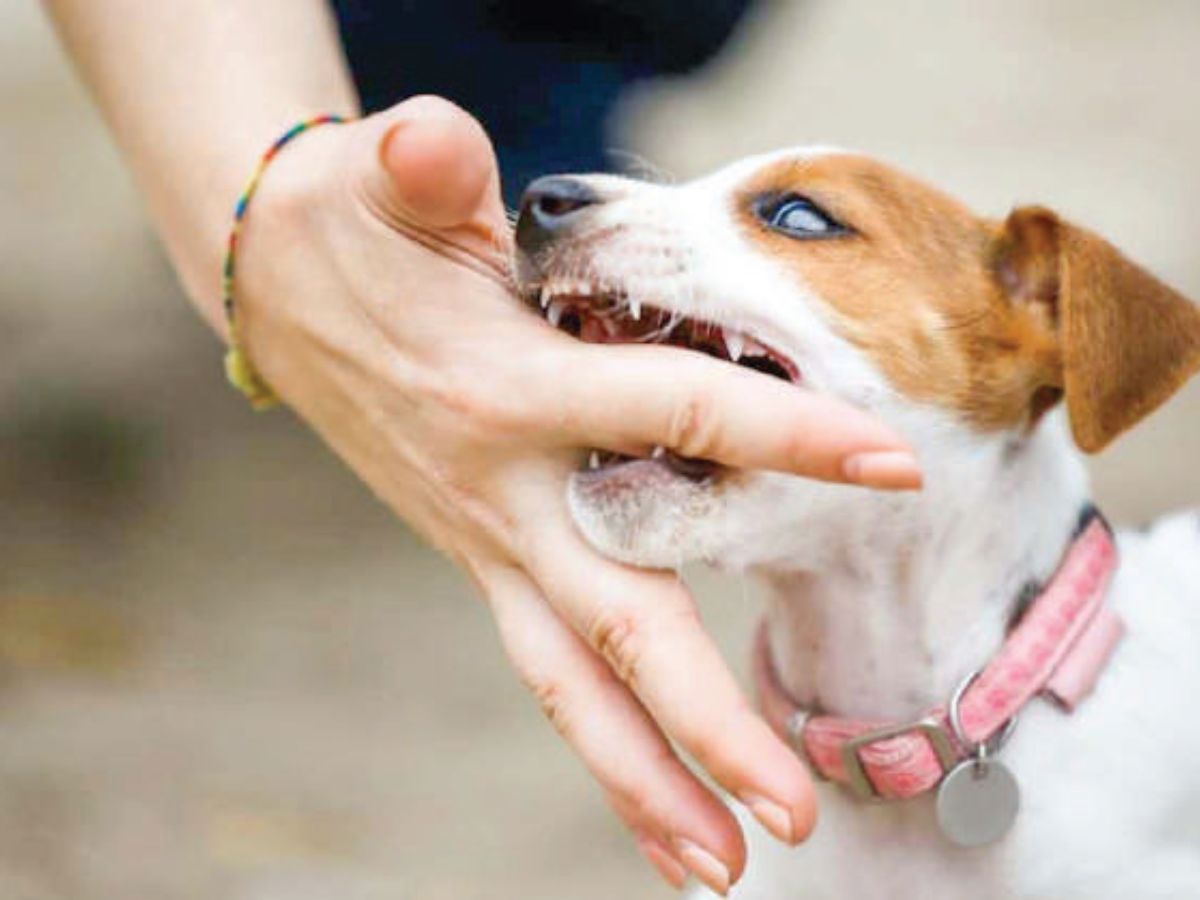
The "dog bite menace" is a public health and safety issue, especially for children, the disabled, and elders, particularly concerning stray dogs. Dog bite cases have surged in India, with 3,715,713 cases reported in 2024, 3,052,521 cases in 2023, and 2,189,909 cases in 2022. By July 2025, over 2.6 million cases were reported, and the 2025 total could exceed 4.5 million at this rate. In 2024, the states with the highest number of cases were Maharashtra (4,85,345), Tamil Nadu (4,80,427), and Gujarat (3,92,837). In 2024, there were 54 reported rabies deaths, with the highest numbers in Maharashtra (14), Uttar Pradesh (6), and Karnataka (5). The majority of severe dog bites in children who are hospitalized are to the head and neck area, especially in those under the age of 5. Fatalities are most commonly caused by blunt force trauma to the head or severe blood loss from multiple wounds. Cynophobia is the intense fear of dogs, often from a past traumatic experience. Symptoms include panic attacks, sweating, and rapid heart rate. Official measures for stray dogs, like sterilization, vaccination, and the creation of shelters, have proved inadequate. The Supreme Court has taken note of the problem, criticizing states for non-compliance and ordering chief secretaries to appear before the court to explain their actions.
RABIES: It is a fatal viral disease that affects the central nervous system and is spread to humans and other animals through the saliva of an infected mammal, most commonly by a bite, or even a lick on a puncture or break in the skin. Dogs are the most common source worldwide, responsible for up to 99% of human cases, especially in countries where dog vaccination is not widespread. In countries with high vaccination rates, like the United States, the primary animal sources are wild animals such as bats, raccoons, skunks, and foxes, and rarely rodents. Other animals that can transmit rabies include cats, monkeys, mongooses, jackals, and even livestock like horses. Initial symptoms can be flu-like, such as fever, headache, and pain or itching at the bite site. However, once the more severe neurological symptoms appear, such as confusion, agitation, and fear of water, the disease is nearly always fatal. Rabies is preventable if prompt medical care, including post-exposure prophylaxis (PEP), is received after a potential exposure.
PREVENTION: PEP for rabies involves immediate, thorough wound cleaning for at least 15 minutes with soap and water, and then thorough disinfection, followed by a regimen of rabies vaccine and, for certain exposures, human rabies immune globulin (HRIG). PEP should be started as soon as possible after a potential exposure, as it is nearly 100% effective if given promptly. Rabies Immune Globulin (HRIG) is administered once, on day zero, if the exposure is high-risk. It should be infiltrated into and around the wound as much as possible. The maximum dose for human HRIG is 20 IU/kg of body weight. A series of Rabies vaccinations is administered. The schedule depends on the exposure risk and the individual's previous vaccination history. Usually, five doses are given on days 0, 3, 7, 14, and 30, as per the World Health Organization (WHO) Essen regimen. For adults, the vaccine is typically injected into the deltoid muscle in the upper arm. For infants and young children, the vaccine can be given in the front or side of the thigh. HRIG and the first vaccine dose should never be injected in the same syringe or at the same anatomical site, as they will neutralize or interfere with each other.
THE DOGGED PROBLEM: Key factors driving the ongoing challenge of stray and domestic dog attacks and disease transmission include a large population of stray dogs, a high incidence of rabies, ongoing legal battles, and aggressive dog lovers stalling or delaying the grossly inadequate administrative efforts to manage the situation. The issue of stray dogs falls under the purview of State Governments and Local Bodies. To ensure humane and effective dog population management, the Central Government has framed the Animal Birth Control (ABC) Rules, 2023, under the Prevention of Cruelty to Animals Act, 1960. The Bharatiya Nyaya Sanhita (BNS), Section 291, covers negligent conduct with respect to an animal. This law applies to a person who knowingly or negligently omits to take sufficient measures with an animal in their possession to prevent probable danger to human life or grievous hurt from that animal, which can apply to dog bites. If an owner knowingly or negligently fails to take sufficient precautions with their dog, and this leads to danger to human life or grievous hurt, they can be punished with imprisonment up to six months, a fine up to Rs5,000, or both.
Dr. P.S. Venkatesh Rao is a Consultant Surgeon, Former Faculty CMC (Vellore), AIIMS (New Delhi), and a polymath in Bengaluru.
