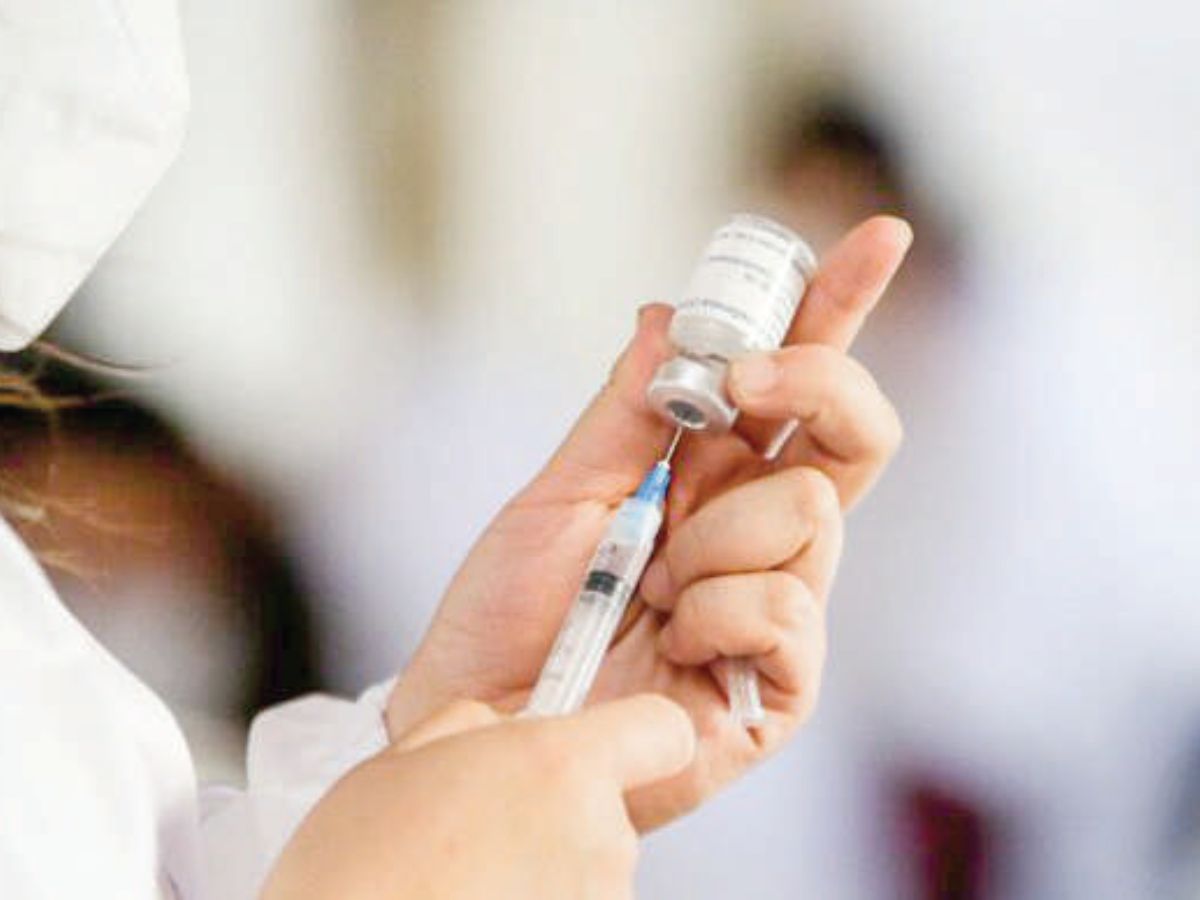
VACCINES SAVE LIVES, PREVENT SUFFERING AND FINANCIAL LOSS
Smallpox in humans and Rinderpest in cattle and other livestock are viral diseases that have been completely eradicated by vaccines. Polio would have been eradicated if a few communities had not resisted vaccination due to misinformation. Many other viral infections, like measles and rubella, have been eliminated from communities vaccinated early in life. Thanks to a new vaccine, group A meningococcal meningitis, a bacterial infection, is no more an epidemic threat in the "meningitis belt" of Africa. Max Theiler received the Nobel Prize in 1951 for his work on the yellow fever vaccine. John Enders, Thomas Weller, and Frederick Robbins shared the 1954 Nobel Prize for a breakthrough that made the Polio vaccine possible in 1955 (injectable) by Jonas Salk and in 1960 (Oral) by Albert Sabin. Katalin Karikó and Drew Weissman received the Nobel Prize in 2023 for their groundbreaking discoveries that enabled the development of effective mRNA vaccines.
ROUTINE VACCINES FOR CHILDREN
Children are born with immature immune systems, making them highly vulnerable to infections like measles, polio, and tuberculosis. Vaccines prime the immune system to recognize and fight pathogens without causing the disease. Following the schedule ensures herd immunity, protecting not just the vaccinated children but the entire community.
At Birth
• BCG (for tuberculosis) is given intradermally, in the left upper arm.
• Hepatitis B (birth dose) is given intramuscularly, in the thigh.
• OPV-0 (oral polio vaccine) as oral drops.
6, 10, and 14 Weeks
• Pentavalent vaccine (DPT + Hepatitis B + Hib) protects against diphtheria, pertussis, tetanus, hepatitis B, and Haemophilus influenzae type b.
• OPV 1, 2, 3 for continued oral polio protection.
• Rotavirus vaccine given orally prevents severe diarrheal disease.
• PCV (Pneumococcal conjugate vaccine) prevents pneumonia and meningitis.
9 Months
• Measles-Rubella (MR) vaccine prevents measles and rubella.
• The JE vaccine (in endemic areas) protects against Japanese Encephalitis.
16–24 Months
• DPT booster-1, OPV booster, MR-2, JE-2 (in endemic areas).
5–6 Years
• DPT booster-2.
10 Years & 16 Years
• Tdap/Td booster for continued protection against tetanus, diphtheria, pertussis.
DPT or DTaP, given initially in a pentavalent vaccine, has full doses of diphtheria, tetanus, and acellular pertussis (whooping cough) antigens, while Tdap is for older children, teens, and adults, has reduced doses of diphtheria and pertussis antigens.
Routine vaccinations are essential for safeguarding children against preventable diseases. Parents should strictly follow the National Immunization Schedule and consult paediatricians for catch-up vaccination if doses are missed or optional vaccines (like influenza, chickenpox, HPV). Side effects are usually mild (fever, soreness at the injection site) and temporary. The vaccination card should be updated for school admissions and medical records.
VACCINES FOR ADULTS
These help maintain immunity, protect against serious infections, and prevent disease outbreaks and include influenza, Tdap/Td, shingles, pneumococcal, HPV, hepatitis, and COVID-19.
• Influenza (Flu vaccine) is given yearly, especially important for older adults and those with chronic conditions.
• Tdap (Tetanus, Diphtheria, Pertussis) once, if not received earlier; Td/Tdap booster every 10 years.
• MMR (Measles, Mumps, Rubella) for adults without prior vaccination or immunity.
• Varicella (Chickenpox) for those never vaccinated or infected.
• COVID-19 vaccine updated with current boosters as per national guidelines.
For elders above 50 years of age:
• Shingles (Herpes Zoster vaccine) to prevent painful shingles and complications.
• Pneumococcal vaccines (PCV15, PCV20, PPSV23) protect against pneumonia, meningitis, bloodstream infections; especially for adults ≥65 or with chronic illnesses.
• Influenza vaccine is strongly recommended annually for adults with heart, lung, kidney disease, diabetes, or immunocompromised states.
• Hepatitis B and HPV vaccines are emphasized for the prevention of liver cancer and cervical cancer.
• Optional vaccines (like rabies, typhoid, JE) may be given based on exposure risk.
India’s guidelines largely mirror WHO recommendations for most vaccines. India emphasizes Hepatitis B and HPV as cancer-preventive priorities, and includes Japanese Encephalitis and Rabies more prominently due to regional risks. WHO highlights universal influenza vaccination and catch-up schedules for MMR/varicella.
TRAVEL VACCINATION
These are essential to protect against diseases common in destination countries and to meet entry requirements, and include routine boosters for measles (MMR), polio, diphtheria, tetanus, pertussis, and influenza, plus region-specific ones like yellow fever, typhoid, hepatitis, and rabies. Check the destination for mandatory vaccines like yellow fever and meningococcal. Get vaccinated at least 4–6 weeks before travel and carry certificates as proof for checks at immigration. Consult a doctor at a travel clinic 6 weeks before departure, for personalized advice based on your itinerary and health. Carry a health kit including mosquito repellents, oral rehydration salts, and basic medicines. Travel health insurance to cover medical emergencies is essential.
Africa
• Yellow fever: Required for many countries (certificate needed).
• Typhoid, Hepatitis A & B: Recommended due to food/water risks.
Asia
• Japanese Encephalitis: Recommended for rural or long stays.
• Typhoid, Hepatitis A & B: Recommended widely.
• Meningococcal: Required for Hajj pilgrims to Saudi Arabia.
• Rabies: Recommended for rural exposure and trekking.
Europe
• Routine vaccines are usually sufficient.
• Influenza: Recommended annually.
• COVID-19: Required for entry in some countries.
Americas
• Yellow fever: Required in parts of South America.
• Typhoid, Hepatitis A & B: Recommended in Central/South America.
• Influenza & COVID-19: Recommended/Required.
India-specific
• Routine vaccines (MMR, DTP, polio, influenza)
• Hepatitis A & B
• Typhoid
• Rabies (for long-term or rural exposure)
• Japanese Encephalitis (for rural or prolonged stays in endemic areas)
VACCINES FOR SPECIFIC CAUSES
These are not routine for everyone but are critical in certain contexts.
Special Risk Vaccines
• Rotavirus for infants to prevent severe diarrhoea.
• Meningococcal for outbreak control, military recruits, or Hajj pilgrims.
• Japanese Encephalitis (JE) for residents in rural Asia.
• Rabies for animal handlers, rural exposure, or post-bite treatment. For details, refer to my previously published article on dog bites.
Occupational / Healthcare Worker Vaccines / Outbreak Control
• Hepatitis B is mandatory for healthcare workers.
• Influenza annually, especially for frontline staff.
• MMR for those without immunity, to prevent hospital outbreaks.
• Varicella for healthcare workers without prior infection.
• Cholera in outbreak zones, especially for humanitarian workers.
Vaccines for Chronic Illness / Immunocompromised
• Pneumococcal (PCV, PPSV) for people with diabetes, heart disease, kidney disease, or weakened immunity.
• Influenza annually is strongly recommended.
• Hepatitis A & B for chronic liver disease patients.
• Shingles (Herpes Zoster) for those with weakened immunity.
EMERGING NEW VACCINES
• Dengue vaccine (new, limited use) – for certain age groups in endemic countries.
• RSV (Respiratory Syncytial Virus) – recently approved for infants and older adults.
• Malaria vaccine (RTS,S/AS01, R21/Matrix-M) – rolling out in Africa for children.
• COVID-19 updated boosters for evolving with variants.
Cancer Vaccines Under Testing that may lead to hybrid approaches combining vaccines with immunotherapy
• Lung Cancer Prevention (not treatment) Vaccine “LungVax” developed by University College London and University of Oxford for high-risk individuals like smokers and those with a family history.
• mRNA-Based Cancer Vaccines are personalized vaccines created from a patient’s tumour mutations profile to stimulate the immune system to attack the cancer. This technology was developed for Melanoma, breast cancer, pancreatic cancer, prostate cancer, and is patient and cancer-specific, but during the pandemic was hurriedly co-opted to develop generalized COVID-19 mRNA vaccines for all, by a few “big pharma” companies.
• Other therapeutic Cancer Vaccines under development for melanoma, glioblastoma, ovarian cancer, and colorectal cancer.
• Peptide/Protein vaccines: Targeting tumour-associated antigens (e.g., HER2 in breast cancer).
• DNA-based vaccines: Encoding tumour antigens to trigger an immune response.
• Cell-based vaccines: Using dendritic cells loaded with tumour antigens to boost immunity.
It is important that developers, manufacturers, and regulators of vaccines strictly follow ethical practices, and the media is not misused to spread misinformation leading to vaccine resistance. Recognized vaccines work and do not need antibody tests to prove that, but tests may be needed to check continued efficacy after a year or more. Vaccines are lifesaving, prevent diseases, suffering, and certain disabilities, and can permanently eradicate many diseases from our planet, provided we cooperate and follow the vaccination schedules and instructions.
Dr. P.S. Venkatesh Rao is a Consultant Surgeon, Former Faculty CMC (Vellore), AIIMS (New Delhi), and a polymath in Bengaluru.
