
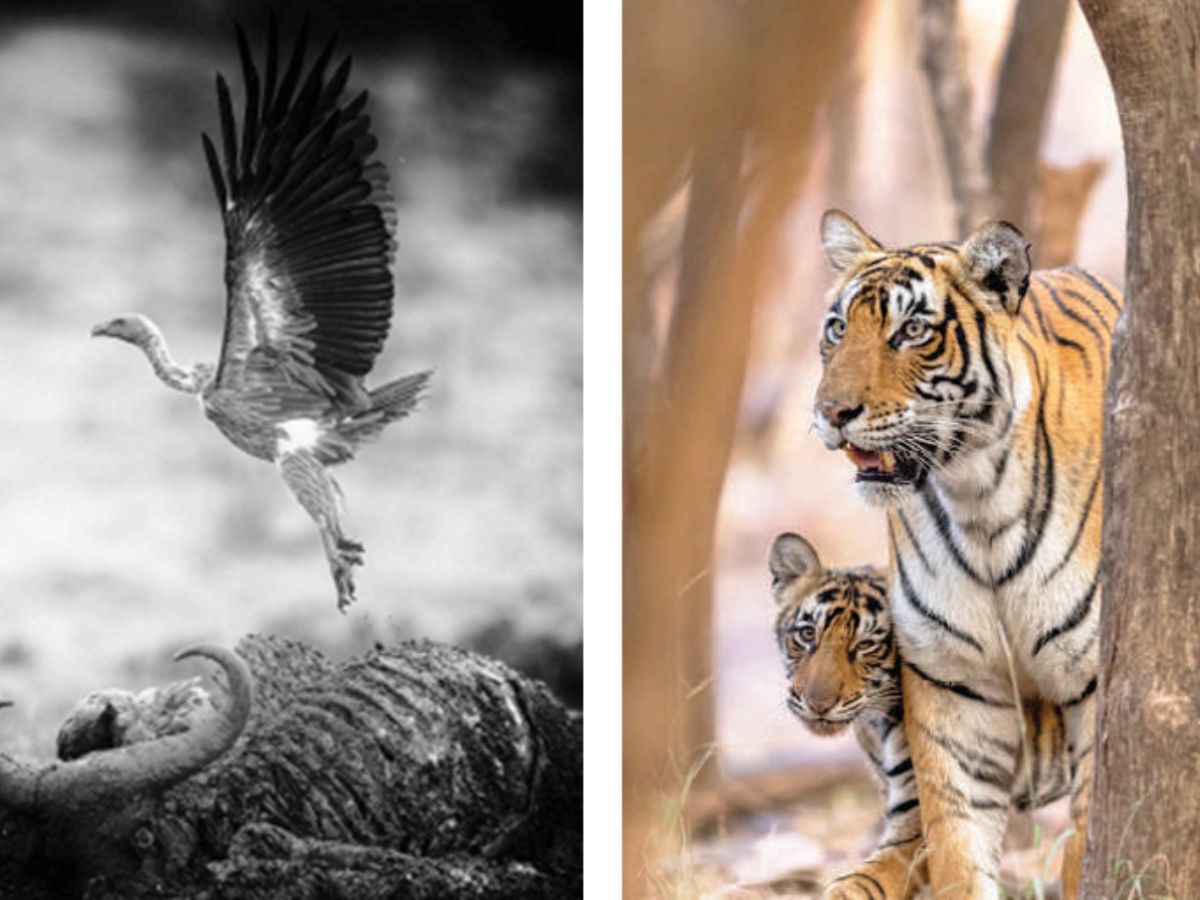
India’s ecological and public health systems continue to grapple with the long-term consequences of the collapse of vulture populations—a crisis that began in the early 1990s and has since cascaded into a nationwide stray dog and disease emergency.
Vultures, once numbering nearly 40 million across India, declined precipitously within just a few years. The cause was traced to diclofenac, an anti-inflammatory drug intended for human use. After the drug’s patent expired, inexpensive generic versions became widely available and were increasingly used in veterinary medicine. When livestock treated with diclofenac died, vultures feeding on contaminated carcasses were poisoned, leading to mass mortality and pushing the species to the brink of extinction.
Vultures are a keystone species, essential for maintaining ecological health. A single flock can strip a 400-kilogram buffalo carcass to the bone in under an hour, preventing the spread of pathogens. In a country with more than 500 million livestock, according to the 2019 census, vultures historically played an indispensable role in carcass disposal. Farmers traditionally left dead animals for vultures to clear. Their sudden disappearance triggered severe ecological repercussions.
Studies have shown that the collapse in vulture populations during the 1990s indirectly caused hundreds of thousands of additional human deaths. With carcasses left unattended, stray dog populations expanded rapidly. Unlike vultures, dogs multiply quickly and act as vectors for disease. In 2023, the Government of India acknowledged in Parliament that the country records approximately 3 million dog bites annually, along with an estimated 18,000–20,000 human deaths from rabies each year, citing World Health Organization data.
Although diclofenac was eventually banned and vulture populations are slowly recovering, the stray dog crisis has reached alarming proportions. The situation worsened following the introduction of the Animal Birth Control (ABC) Rules in 2001, later amended in 2023. Prior to these rules, municipal authorities routinely removed stray dogs from residential areas. In cities such as Delhi, municipal trucks regularly conducted round-ups, helping keep populations in check.
After the ABC Rules came into force, animal welfare groups advocating the policy resisted even basic dog round-ups for vaccination. Over time, dog populations surged. Ironically, these same groups now accuse civic authorities of failing to control the escalating crisis.
The impact of free-ranging dogs on humans is well documented, but their effect on wildlife is equally severe. Of the 80 wildlife species attacked by dogs in India, 31 are threatened. Dogs, often moving in packs, prey on critically endangered species such as snow leopards, wolves, foxes, Tibetan gazelles, and ibex in the Himalayas. They also threaten nesting birds like the Great Indian Bustard in Rajasthan’s deserts, among several other rare species.
The situation in India’s tiger reserves is particularly concerning. A 2018 survey found that camera traps in 17 reserves captured more images of dogs than tigers. Dogs have infiltrated Protected Areas, including Critical Tiger Habitats and buffer zones. In these areas, they prey on young ungulates, disrupt prey density and distribution, and pose a direct threat to apex predators such as tigers, leopards, and lions.
As apex predators, big cats are themselves keystone species, crucial for regulating herbivore populations and maintaining ecological balance. Their survival is widely regarded as a reliable indicator of ecosystem health. The National Tiger Conservation Authority (NTCA) has acknowledged that free-ranging dogs threaten both prey and predator species through diseases such as rabies and Canine Distemper Virus (CDV).
Despite this evidence, in 2020 the NTCA extended the applicability of the ABC Rules to forest buffer zones, a move critics say ignored scientific data on disease transmission risks. Inter-species disease transmission has been documented in multiple instances, including lion die-offs in Tanzania and Gir, and infections in tigers and leopards in India and Nepal. Conservationists warn that CDV outbreaks in Indian forests could be catastrophic for already vulnerable big cat populations.
The International Union for Conservation of Nature (IUCN) lists invasive alien species, including free-ranging dogs, among the top drivers of global biodiversity loss. The organisation recommends prevention as the most cost-effective strategy and supports the eradication of invasive species from ecologically sensitive habitats. However, heavily funded animal rights NGOs, critics argue, have advanced positions that undermine conservation science, resulting in policies that compromise wildlife protection and human safety.
Experts increasingly argue that India’s ecological governance must confront an uncomfortable reality: the regulatory framework governing stray dog management is outdated, fragmented, and misaligned with scientific consensus. The ABC Rules, designed primarily for urban environments, have been extended into ecologically fragile landscapes, undermining the authority and mandate of forest and wildlife management agencies.
Calls are growing for a comprehensive policy overhaul—one that restores the primacy of science, permits the permanent removal and killing of free-ranging dogs from Wildlife Protected Areas, buffer zones, and other regions where wildlife is threatened, and establishes clear inter-agency accountability for disease surveillance and control. Conservationists point to successful global precedents where invasive species removal has protected native biodiversity.
Such measures, they argue, must be incorporated into national biodiversity strategies that formally recognise free-ranging dogs as invasive alien species and mandate their exclusion from Protected Areas. Effective implementation, free from what critics describe as unscientific activism, is considered essential. India, experts stress, possesses both the institutional capacity and scientific expertise to reverse the damage. What remains uncertain is whether there is sufficient political and administrative will to enact the difficult but necessary reforms required to safeguard ecosystems, wildlife, and public health.
For some, the crisis carries a deeply personal dimension. In the 1980s, glider pilots flying over Delhi frequently relied on soaring vultures to locate thermal currents that sustained engine-less sailplanes. By the early 1990s, those skies had emptied. What disappeared with the vultures was not just a species, but a crucial ecological function—one whose absence continues to shape India’s environmental and public health challenges today.
-
Sunil Gadhoke is conservationist, wildlife photographer, and author of ‘Long Live the Tiger’.




