
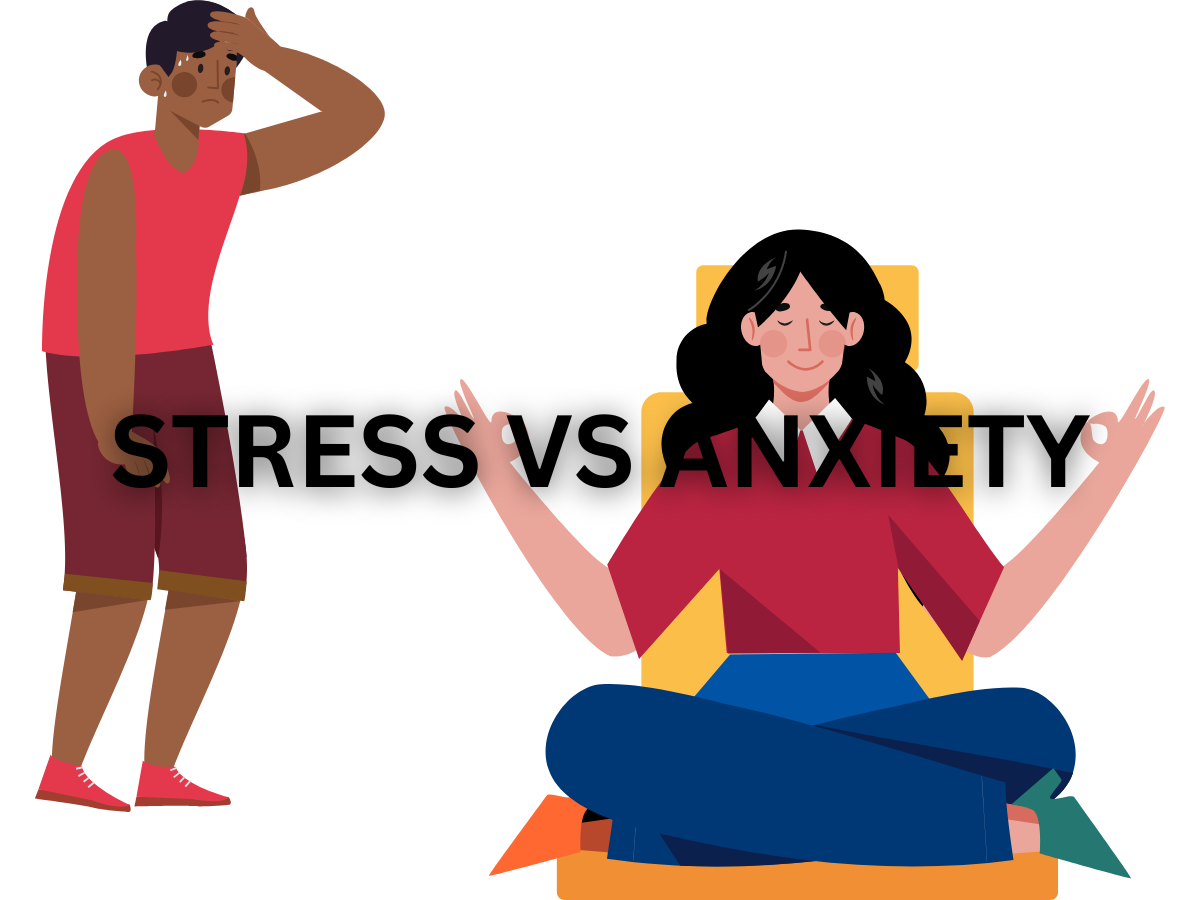
Anxiety vs Stress: People often use stress and anxiety as interchangeable terms because they believe both words describe the same emotional experience. People experience both stress and anxiety as emotional states that impact their mental health and physical well-being. The ability to distinguish between stress and anxiety enables people to better control their emotions while choosing appropriate assistance methods.
What is Stress?
The body responds to external pressure and challenging situations through its natural mechanism of stress response. People usually experience this condition when they encounter work-related demands, financial difficulties, or significant life transitions. The majority of people experience stress for a short period, which ends when the situation that caused their stress comes to a stop.
What is Anxiety?
Anxiety is a feeling that creates persistent fear, worry, and discomfort for individuals, which remains throughout the day. People experience anxiety as a condition that lasts beyond the immediate stress period, which affects their daily activities. Severe anxiety develops into an anxiety disorder, which needs expert medical intervention.
Key Differences Between Stress and Anxiety
The primary contrast between stress and anxiety resides in the origins of their symptoms and the length of their endurance. People develop stress when they face specific external triggers, while anxiety develops from internal factors that keep bothering them after the external trigger disappears. People who experience stress will see their symptoms fade away at the point when their problem gets solved, while people with anxiety disorders will experience continuous symptoms that lack visible causes.
Anxiety vs Stress: Common Symptoms
People with stress and anxiety both experience symptoms, which include irritability, difficulty concentrating, fatigue, headaches, and sleep issues. Anxiety symptoms include excessive worrying, restlessness, rapid heartbeat, and a feeling of danger approaching.
Anxiety vs Stress: Causes and Risk Factors
People develop stress through work demands, family responsibilities, and financial challenges. People develop anxiety through their genetic makeup, personality characteristics, traumatic experiences, and extended periods of stress. People develop health problems because they do not get enough sleep and they eat unhealthy foods.
How to Manage Stress and Anxiety
The way to handle stress and anxiety requires regular physical activity, proper sleeping patterns, mindfulness techniques, and proper dietary practices. Friends, family members, and mental health experts can provide you with emotional support when you talk to them.
The relationship between stress and anxiety creates two distinct conditions, which differ in their origins, time of existence, and level of severity. The ability to recognize these two distinct conditions enables people to select suitable methods for safeguarding their mental health while achieving life balance.
Disclaimer: This article is for informational purposes only and should not replace professional medical advice, diagnosis, or treatment. Always consult a qualified healthcare professional.




