Fasting, especially intermittent fasting, may help support liver health and assist in reversing fatty liver by reducing body fat and improving metabolism.
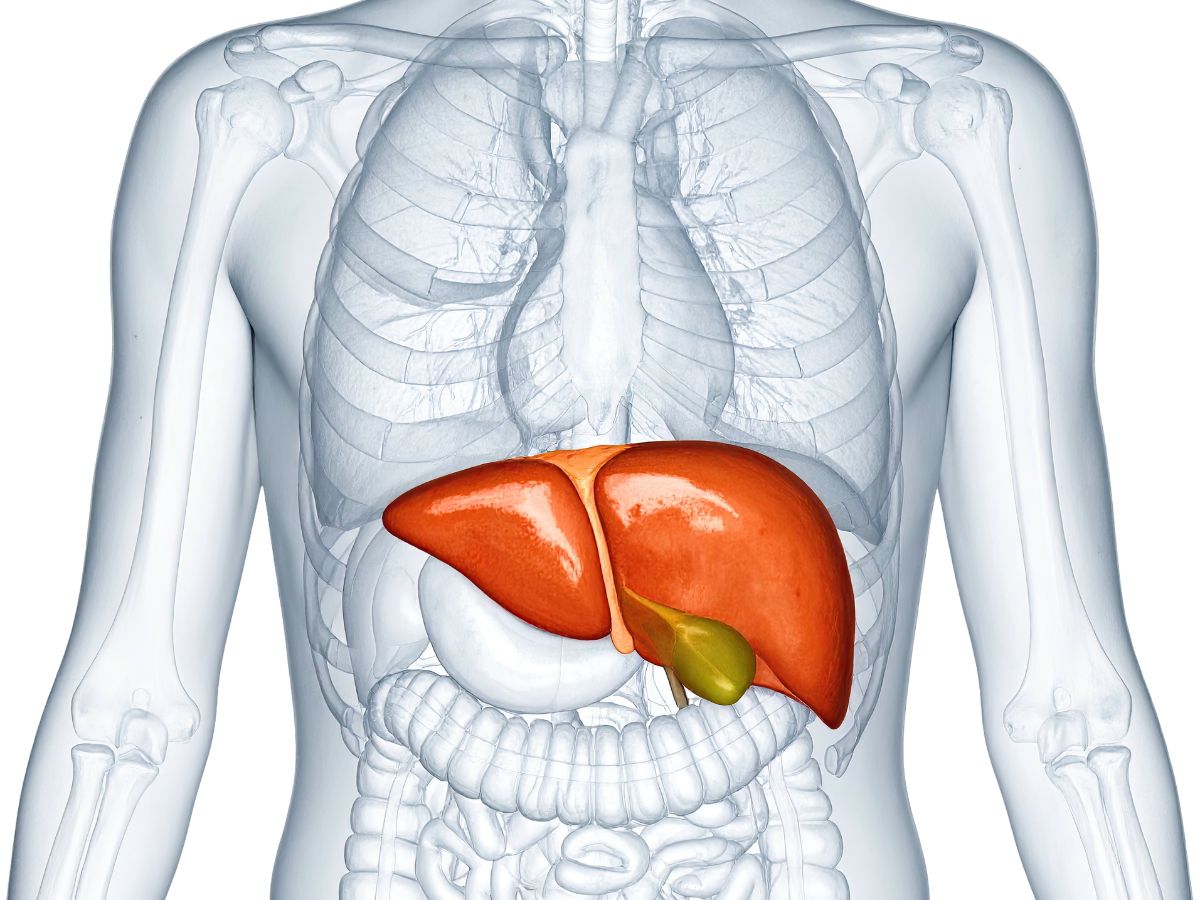
Does fasting help in reversing fatty liver? Learn about its health benefits, possible side effects, and important facts.
Fasting, particularly intermittent fasting, has emerged as a leading method for people who want to lose weight and improve their metabolic health. People frequently ask if fasting can promote liver healing for patients with conditions such as fatty liver disease. Research indicates that fasting may provide benefits for liver health, but it does not serve as a definitive treatment and requires cautious implementation.
As per some studies, intermittent fasting helps enhance liver health by decreasing both body weight and liver fat. Fasting resulted in weight loss and body mass index reduction, along with improvement of liver enzymes, which indicate liver damage in patients with non-alcoholic fatty liver disease (NAFLD).
Fasting activates the body to utilize its accumulated fat reserves as energy. This mechanism helps to decrease liver fat deposition, which represents a primary factor that leads to fatty liver disease development. The treatment enhances insulin sensitivity while it assists with blood sugar control, which decreases the liver's operational demands.
Fasting triggers the body to start autophagy, which acts as a natural mechanism for cellular restoration. This mechanism disassembles and repurposes both injured cells and harmful substances. This process enables liver cells to rebuild themselves while decreasing their inflammation levels for an extended period.
Fatty liver disease most commonly occurs because of obesity. Intermittent fasting enables people to lose weight at a slow pace while diminishing their visceral fat, which results in reduced liver fat accumulation.
Fasting is not a good option for all people. The body needs to create its energy sources through food intake because some people develop dizziness, fatigue, headaches, nutrient deficiencies, and hormonal imbalance when they faily plan their fasting periods.
Fasting may support liver health when combined with a balanced diet, exercise, and proper medical guidance. However, people with existing liver disease or other health conditions should consult a doctor before starting any fasting routine.
Disclaimer: This article is for informational purposes only and should not replace professional medical advice, diagnosis, or treatment. Always consult a healthcare professional.
