Intermittent fasting and calorie deficit are two popular weight-loss approaches. Both methods can support weight loss if they help reduce overall calorie intake. The best approach depends on personal lifestyle, eating habits, and health goals.
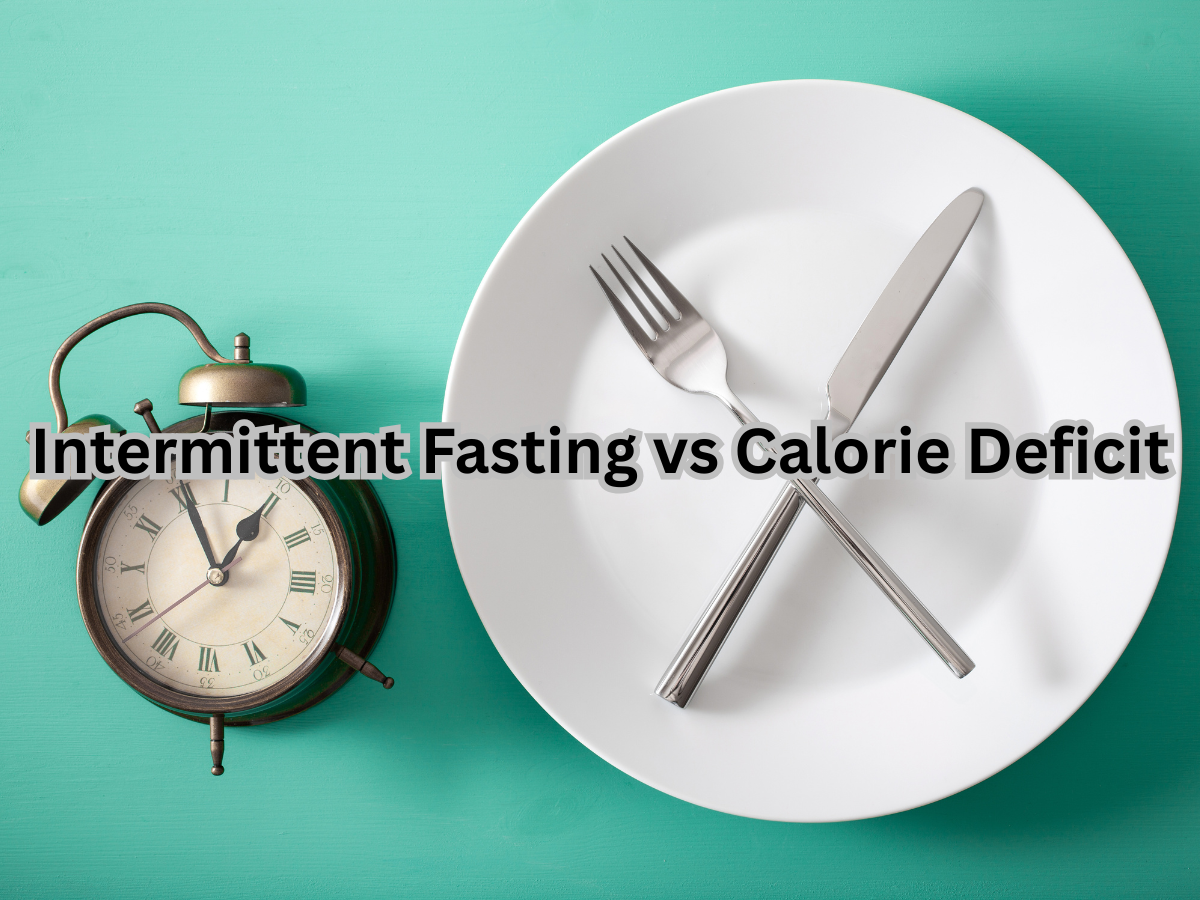
Intermittent fasting vs calorie deficit: discover which method works better for weight loss, their benefits, differences, and possible side effects.
Intermittent Fasting vs Calorie Deficit: Weight reduction has become the most prevalent health objective that people pursue at present. Intermittent fasting and calorie deficit both serve as popular dietary methods among various available dietary methods. The two techniques enable weight loss, yet they achieve this outcome through distinct mechanisms. The process of establishing your preferred method depends on your treatment requirements and personal lifestyle.
Intermittent fasting (IF) focuses on when you eat rather than what you eat. It involves cycling between periods of eating and fasting. Common patterns include the 16:8 method, where you fast for 16 hours and eat during an 8-hour window. Many people follow this approach to control hunger and reduce overall food intake.
A calorie deficit happens when you consume fewer calories than your body burns in a day. This forces the body to use stored fat as energy, leading to weight loss. You can create a calorie deficit by eating smaller portions, choosing healthier foods, or increasing physical activity.
According to research, both methods achieve equal effectiveness when they result in reduced calorie consumption. The people who like to eat at set times will find intermittent fasting easier to follow, while people who want to eat any time can use a calorie-deficient method.
Intermittent fasting helps to boost metabolic functions and improve insulin response while increasing fat oxidation capabilities. A calorie-deficient diet, on the other hand, focuses on balanced nutrition and steady weight loss over time.
Some people may experience fatigue, headaches, irritability, or overeating if these methods are not followed properly. Extreme restrictions can also affect energy levels and overall health.
The best approach depends on your lifestyle, health condition, and personal preference. A balanced diet, regular exercise, and consistency are key factors for sustainable weight loss.
Disclaimer: This article is for informational purposes only and does not replace professional medical or dietary advice. Consult a healthcare professional before starting any diet.
