Fatty liver in teens is rising due to junk food, obesity, sugary drinks, inactivity, and insulin resistance. Early lifestyle changes can prevent complications.
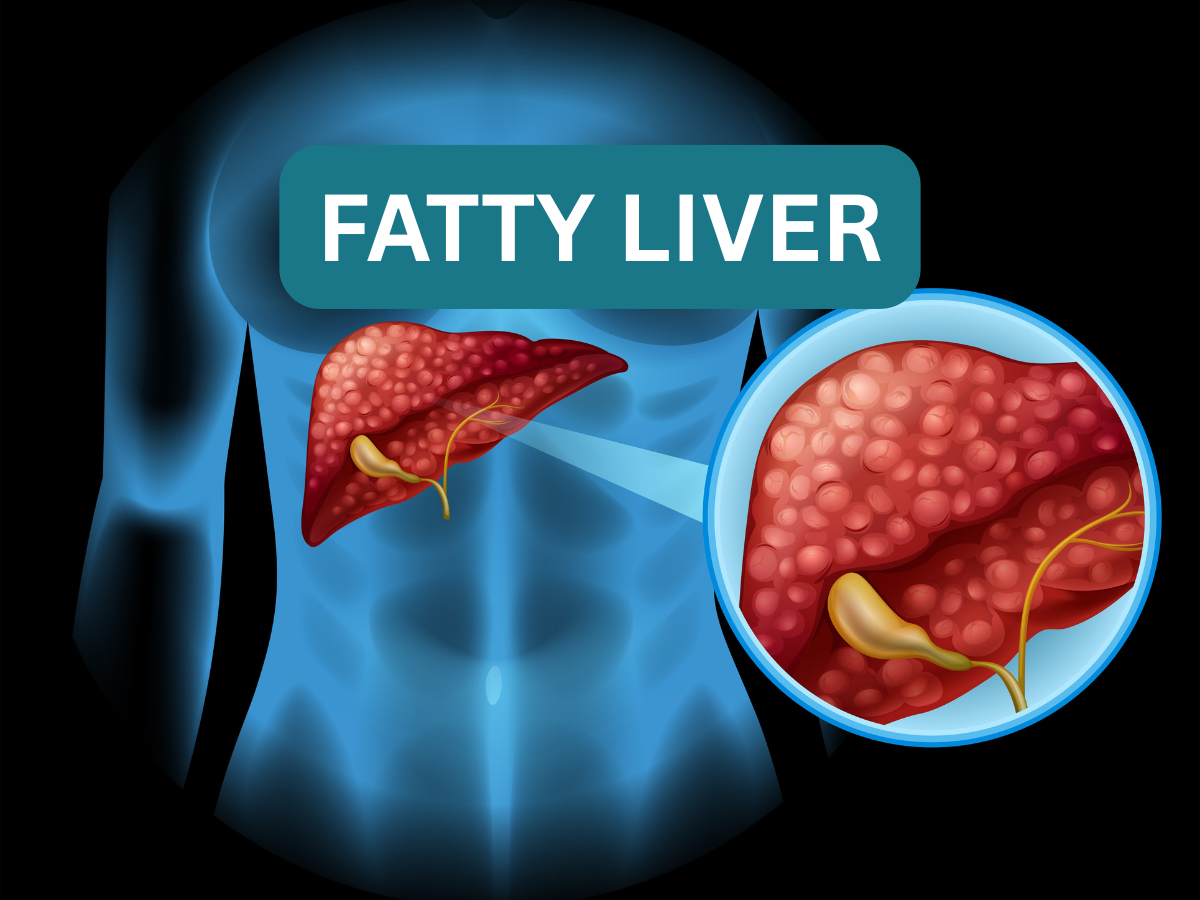
Check why teens are developing fatty liver disease, its causes, symptoms, risk factors, prevention tips, and natural remedies to protect liver health.
Fatty liver disease, which used to be an adult disease, now affects teenagers across the globe. The disease develops when the body accumulates too much fat inside the liver, which then disrupts the organ's regular functions. The condition develops silently in teenagers because they do not exhibit any early signs, but it will eventually progress to major medical problems if people do not treat it.
The excessive accumulation of fat in liver cells is commonly referred to as fatty liver disease. This condition is also referred to as non-alcoholic fatty liver disease (NAFLD) when it occurs without excessive alcohol consumption. NAFLD in teenagers frequently comes up with metabolic risk factors like high levels of fat, obesity, and diabetes. It can worsen into inflammation and severe liver damage if left untreated.
Today's teens are more susceptible to fatty liver because of the quick changes in their diet and lifestyle. The build-up in the liver can be caused by a poor diet, lack of activity, and metabolic disorders.
The other risk factors include high blood sugar levels, elevated cholesterol levels, and the presence of metabolic conditions in family members, as well as the development of sleep disorders. The at-risk teen population requires both early screening and lifestyle modifications.
The majority of teenagers demonstrate no physical symptoms during their initial stages of development. The condition manifests through three main symptoms, which include fatigue, abdominal pain, and better liver function tests that doctors find through standard testing.
The combination of regular exercise and a diet that emphasizes fruits and vegetables, whole grains, and limited sugar consumption leads to decreased liver fat accumulation. The body achieves better liver health through increased water consumption and stable sleeping patterns.
Daily exercise should be encouraged together with processed food restrictions and healthy weight maintenance, and teenagers should undergo medical checkups to safeguard them against fatty liver development.
The growing problem of teenage fatty liver disease results from two main factors, which are unhealthy lifestyle choices and excessive weight gain. The combination of early knowledge, healthy behaviors, and professional medical assistance enables people to avoid developing severe liver diseases throughout their lives.
Disclaimer: This article is for educational purposes only. Consult a healthcare professional before making changes to diet or treatment plans.
