Union Budget 2026 did not include any salary hike announcement for the 8th Pay Commission, leaving central government employees and pensioners still waiting.
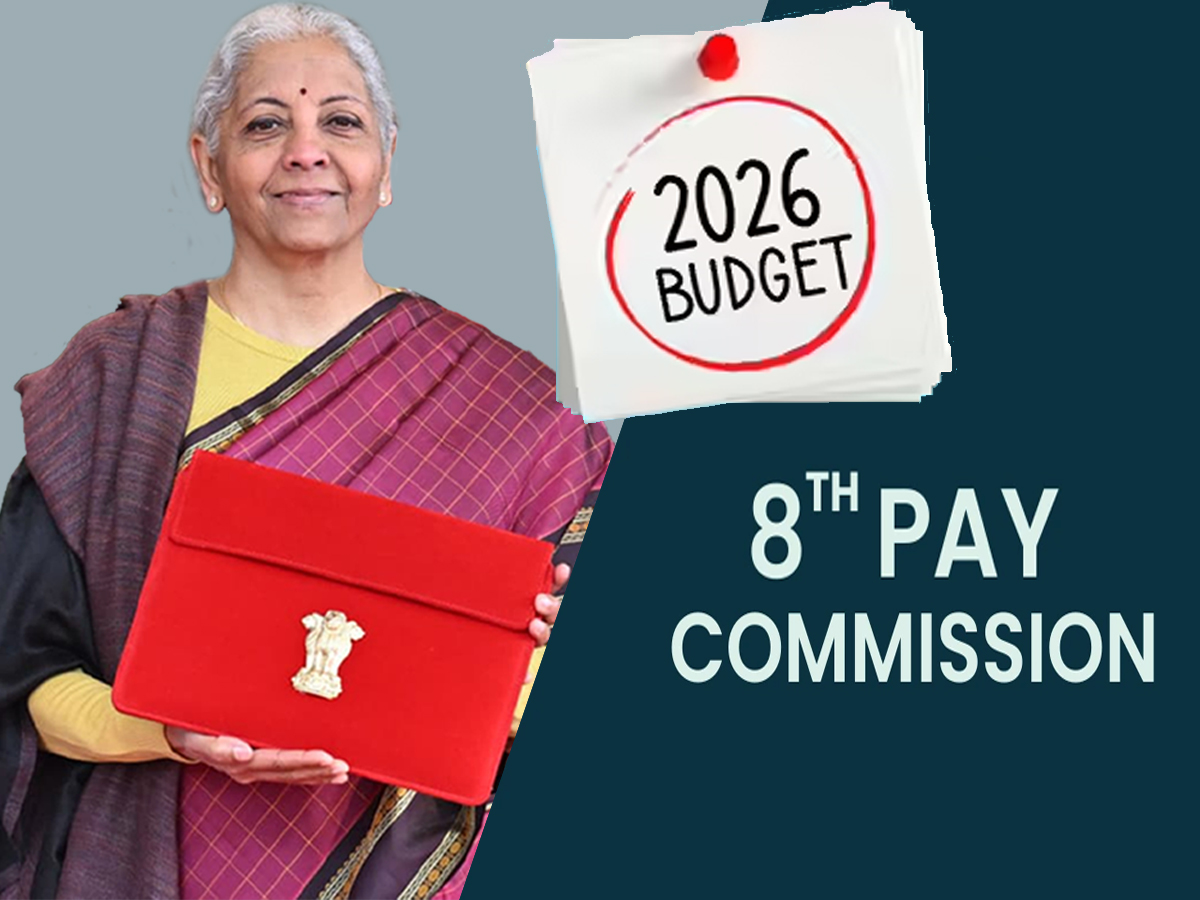
The 8th Pay Commission was given about 18 months to submit its report, which means its recommendations may not be ready within the current financial year. (File Photo)
Finance Minister Nirmala Sitharaman presented the Union Budget 2026–27 on Sunday, outlining fiscal priorities, reforms, and growth measures. However, millions of central government employees and pensioners were left without a clear answer on the much-anticipated 8th Pay Commission salary hike. Despite high expectations, the Budget did not announce any immediate increase in pay or revisions under the new pay panel, keeping the implementation timeline uncertain.
Ahead of the Budget, many government workers hoped the Budget would include an update on salary revisions under the 8th Central Pay Commission (8th CPC). The 8th Pay Commission was formally constituted about three months earlier when the Union Cabinet approved its Terms of Reference (ToR). It is tasked with reviewing salary structures, allowances, and pensions for central government employees and pensioners across the country.
However, the Budget speech did not mention any allocation or plan for implementing the salary hike. This indicates that the government is likely waiting for the Commission’s final recommendations before introducing any financial provisions to support salary increases.
The 8th Pay Commission was given about 18 months to submit its report, which means its recommendations may not be ready within the current financial year. Because the panel has not yet finalised its findings, the government chose not to announce a salary or pension hike in this Budget.
Experts note that without specific budget provisions or clear implementation plans, any salary revision remains unlikely in the fiscal year 2026-27. This has disappointed many employees who were expecting early relief in their pay packets.
The 8th Pay Commission is expected to take up to 18 months to complete its work and submit recommendations to the government. If the report arrives toward the end of 2027 or early 2028, the implementation of salary changes could begin thereafter.
Central government employees were watching for budget cues that might indicate an accelerated rollout, but none surfaced in the Budget speech. Without a dedicated allocation to absorb the fiscal impact of revised salaries and pensions, the hike is unlikely to kick in during FY27.
For now, central government workers and pensioners must wait for the official recommendations from the 8th Pay Commission before any salary hikes become effective. Analysts suggest that once the Commission’s report is submitted and accepted by the government, the salary revision could apply retrospectively from January 1, 2026, leading to arrears being paid later.
However, the government’s immediate financial focus in Budget 2026 was on capital expenditure, infrastructure, and broader economic reforms, rather than employee pay adjustments.
While the Union Budget 2026 addressed many economic priorities, it did not deliver a salary hike under the 8th Pay Commission, leaving central government employees and pensioners waiting for the panel’s final report. With the Commission still in its early stages, the implementation of revised salaries and pensions is more likely to happen later than sooner.
