ATC timeline details the final minutes before the Learjet crash at Baramati airfield, including go-around, visibility issues, landing clearance and fire near Runway 11.
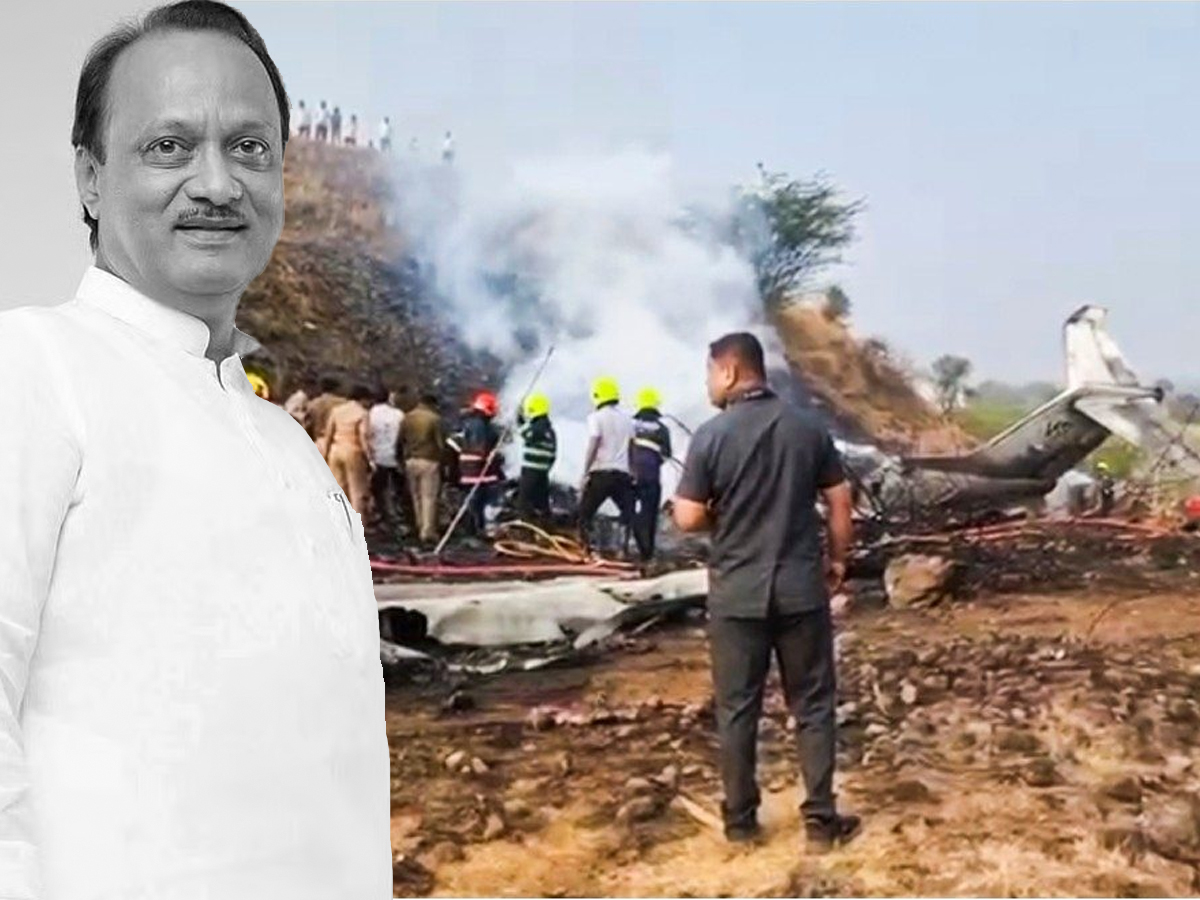
As the aircraft lined up for its first approach to Runway 11, the crew reported that the runway was not in sight. (File Photo)
A detailed air traffic control (ATC) timeline has thrown fresh light on the final minutes before the tragic Learjet crash at Baramati airfield on January 28, 2026. The aircraft, registered as VT-SSK, went down moments after receiving landing clearance, erupting into flames near the threshold of Runway 11.
Baramati is an uncontrolled airfield, where traffic information is coordinated by instructors and pilots from local flying training organisations. This operational setup played a key role in how the final approach unfolded on the morning of the crash.
According to the sequence of events, the aircraft first established contact with Baramati at 08:18 IST. Shortly after, at 30 nautical miles inbound, Pune Approach released the flight and advised the crew to descend under Visual Meteorological Conditions (VMC) at the pilot’s discretion.
During this phase, the crew asked for weather details. ATC informed them that winds were calm and visibility was around 3,000 metres, conditions generally considered suitable for a visual approach.
As the aircraft lined up for its first approach to Runway 11, the crew reported that the runway was not in sight. Following standard safety procedures, they initiated a go-around, aborting the landing attempt.
After the go-around, controllers asked the aircraft to report its position. The crew confirmed they were once again on the final approach of Runway 11.
When asked to confirm visual contact with the runway, the pilots responded, “Runway is currently not in sight, will call when runway is in sight.” Moments later, they reported that the runway was visible.
ATC cleared the aircraft to land on Runway 11 at 08:43 IST. However, investigators noted a crucial detail: the crew did not give a readback of the landing clearance, a standard aviation communication practice.
Just one minute later, at 08:44 IST, controllers observed flames near the threshold of Runway 11. Emergency services rushed immediately to the scene, but the intensity of the fire left no chance of survival.
The wreckage was found on the left side of the runway, abeam the threshold of Runway 11. Visual evidence and ATC observations suggest the aircraft lost control during the final phase of landing, crashing before it could stabilise on the runway.
The rapid sequence, from runway sighting to visible flames, underscores how quickly the situation deteriorated during the final seconds.
Authorities are now closely analysing:
The ATC timeline has become a critical piece of evidence as investigators reconstruct the chain of events that led to the crash.
As the probe continues, the detailed minute-by-minute account is expected to help determine whether operational, environmental, or procedural factors caused the fatal accident near Baramati’s Runway 11.
