A nationwide bank strike on Jan 27 could close public sector banks. Employees demand a five-day work week. Check the impact on services and customer tips.
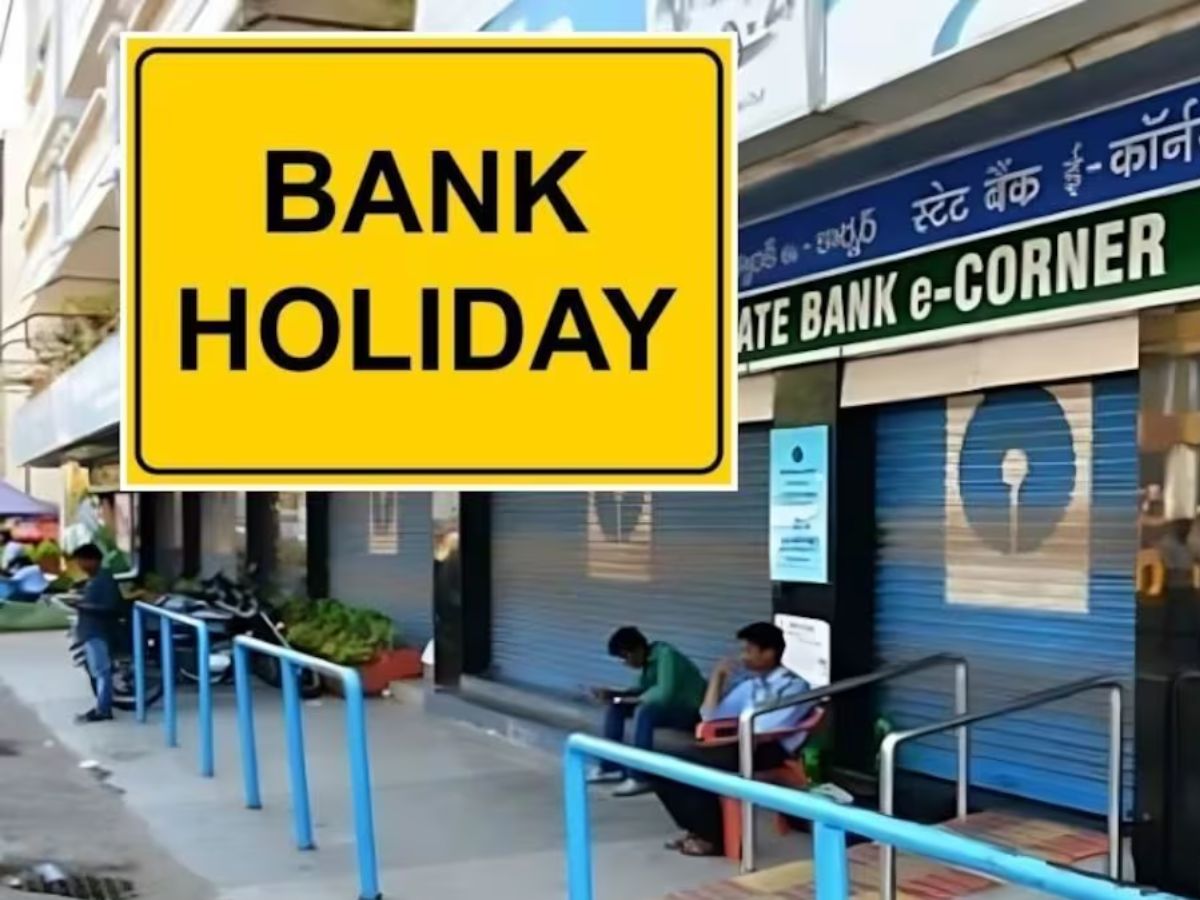
A nationwide bank strike on Jan 27 [Photo: X]
Banks across India may remain shut on January 27 as employees plan a nationwide strike. The protest is aimed at pressing the government and authorities to implement a five-day work week for public sector bank staff. This strike comes right after Republic Day, potentially extending closures to four consecutive days.
If it happens, customers may face delays in branch-based services such as cash deposits, check clearance, and loan processing. Bank unions argue that long-pending promises from the government have been ignored, leaving them no choice but to strike. Public sector banks have already alerted customers to plan transactions.
The strike is planned specifically for January 27, but due to the Republic Day holiday on January 26 and the regular Sunday and Saturday closures, public sector banks may be closed till January 27.
Customers could face service disruptions for nearly a week, affecting branch visits, cash transactions, and document processing. ATMs, mobile banking, and online transactions are expected to continue, but large withdrawals or cheque deposits may be delayed. Banks are urging people to complete urgent tasks before January 24 to avoid inconvenience.
The strike is linked to an agreement reached in March 2024 between the Indian Banks’ Association (IBA) and the United Forum of Bank Unions (UFBU) during wage revision talks. Under the settlement, all Saturdays were supposed to become holidays for bank employees.
However, the change has not been implemented. Unions have repeatedly raised the issue with the government and bank authorities. After conciliation meetings held by the Chief Labour Commissioner, UFBU said, “Despite detailed discussions, finally there was no positive outcome of the conciliation proceedings.” This deadlock prompted the call for a nationwide strike.
The strike is expected to affect public sector banks, including major lenders like:
Several smaller government-owned banks may also participate. Branches of these banks could remain closed on Jan 27, disrupting routine services across cities and rural areas.
On the other hand, private banks such as HDFC, ICICI, and Kotak Mahindra are unlikely to join the strike. Customers of these banks can continue normal banking activities without major disruptions.
The strike is focused on implementing a five-day work week for public sector bank employees. Currently, most staff work six days a week, with only the second and fourth Saturdays off, along with Sundays.
Unions argue that the system is outdated, especially since many other government institutions, including the Reserve Bank of India, LIC, and stock exchanges, already operate on a five-day schedule. Employees say a five-day work week will not reduce productivity, as they are willing to work 40 extra minutes from Monday to Friday to compensate for lost hours.
Bank employees are asking the government to honour the March 2024 settlement and grant all Saturdays off. They believe this change will improve work-life balance, reduce stress, and align public sector banks with other institutions.
UFBU stated, “It is unfortunate that the government is not responding to our genuine demand.” The union is also pushing for recognition that employees already work extra hours, so the change will not affect overall output. They hope the strike will push the authorities to implement the five-day work week without further delay.
If the strike takes place, banks could remain closed as follows:
Branch closures may disrupt services, including:
However, digital and automated services are expected to function normally:
Experts recommend:
