
NEW DELHI: Amid growing concerns over children’s mental well-being, internet safety, and rising screen addiction, several countries have moved towards strict regulation—or outright prohibition—of social media usage among minors. Governments worldwide are increasingly acknowledging that unrestricted exposure to algorithm-driven platforms can adversely affect children’s concentration, emotional health, and social development, intensifying debates over whether responsibility lies with technology companies, parents, or the state.
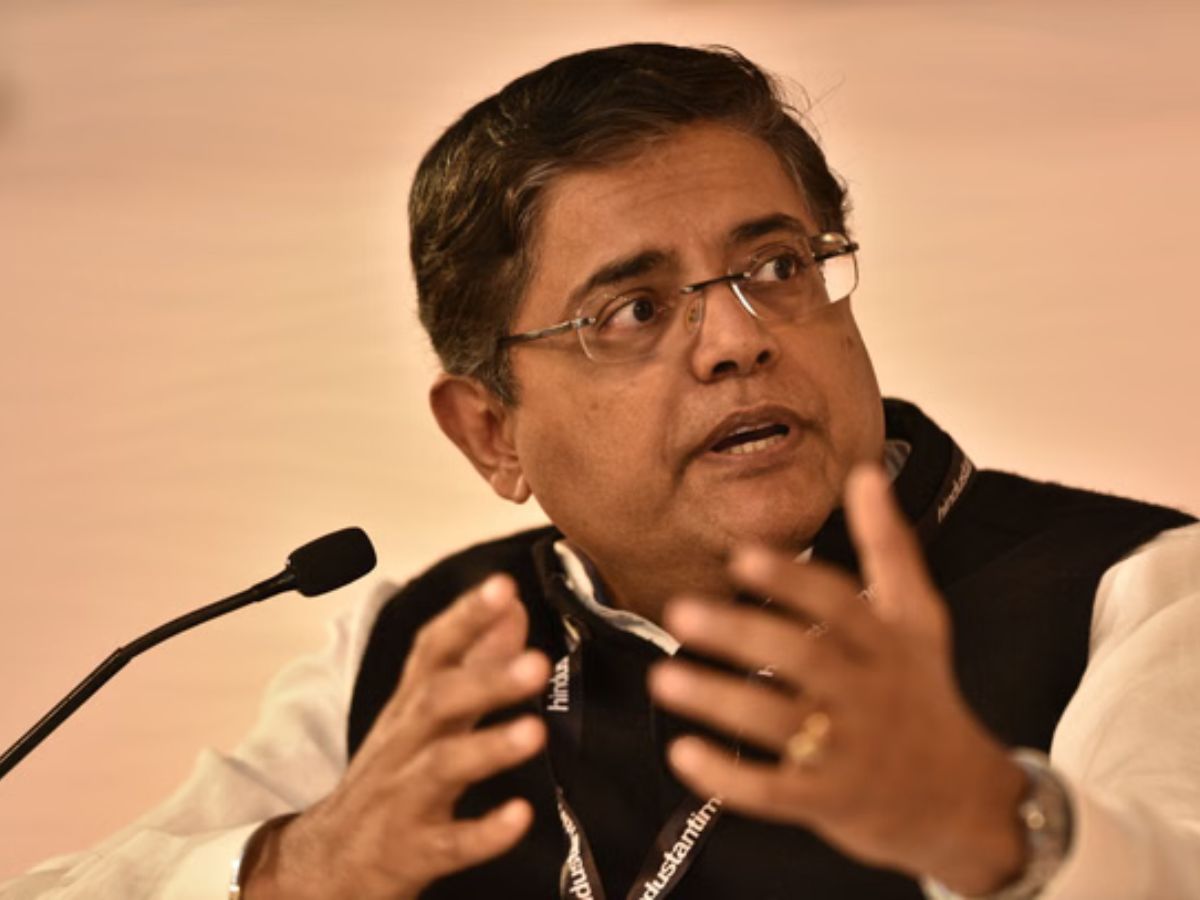
Against this backdrop, BJP National Vice President and Kendrapara MP Baijayant Jay Panda’s second attempt to introduce India’s first proposed law to restrict social media access for children was stalled on Tuesday after the Lok Sabha was adjourned for the day. Panda’s private member’s bill—titled The Safeguarding Healthy Environments for Little Digital Natives (SHIELD) Bill, 2025—has been listed in the Lower House for the past three months and was scheduled for introduction today.
The bill proposes regulated and limited access to the internet and social media platforms for children under the age of 13, positioning it as a pioneering initiative in the Indian legislative landscape. This marks yet another delay for the proposal, as Panda was also unable to table the bill during the Winter Session due to disruptions on the day designated for private members’ legislation.
Reacting sharply, Panda criticised the opposition for what he termed “unnecessary and mindless disruptions” in Parliament, calling it unusual that even private members’ bills—independent of the government’s legislative agenda—were being obstructed. He noted that several opposition MPs themselves have private members’ bills pending on issues they wish to pursue.
The renewed push for regulation comes amid increasing demands from parents’ groups and child-rights activists across the country, who have been calling for stricter oversight of children’s exposure to social media and online gaming. These demands have gained urgency following multiple troubling incidents, including the recent deaths of three minor girls in Ghaziabad, where allegations were raised about the influence of unregulated gaming and social media platforms.
Sources familiar with the matter indicate that the SHIELD Bill is motivated by growing concerns over digital addiction, escalating anxiety, and declining mental health among children and adolescents. The proposed law is expected to introduce age-specific restrictions, caps on screen time, regulated usage hours, and tools that would give parents greater authority to supervise and control their children’s online engagement. Lawmakers believe such measures could help limit harmful exposure and foster healthier developmental conditions.
Panda’s proposal aligns with an emerging global pattern. Australia has recently become the first country to bar children under 16 from accessing major social media platforms including TikTok, Instagram, Facebook, and YouTube, with strict penalties imposed on companies that fail to comply.
China enforces some of the toughest digital controls worldwide, restricting online gaming for minors to one hour on specified days and limiting social media access during night-time hours. Douyin, the Chinese version of TikTok, restricts users under 14 to a maximum of 40 minutes per day and blocks access between 10 p.m. and 6 a.m.
Similarly, France requires explicit parental consent for children under 15 to use social media, while Italy mandates robust age-verification mechanisms and parental approval for users below 14. Countries such as Spain, Denmark, the United Kingdom, and Malaysia have also implemented varying safeguards to shield minors from potentially harmful digital content.
As an increasing number of countries adopt child-centric digital regulations, the global conversation has evolved from questioning the need for online protections to determining the most effective methods of enforcement. While critics caution against potential threats to freedom of expression and practical enforcement hurdles, proponents argue that regulatory intervention is essential to prevent lasting psychological and emotional harm.
With India now weighing similar safeguards, the SHIELD Bill signals a broader re-evaluation of how children engage with digital platforms. A clear trend is emerging: governments across the world are striving to strike a careful balance between digital accessibility and the imperative of child safety in an increasingly online-driven world.




