Budget 2026 is expected to focus on tax relief, healthcare access, job creation and inflation control for middle class and lower-middle class families.
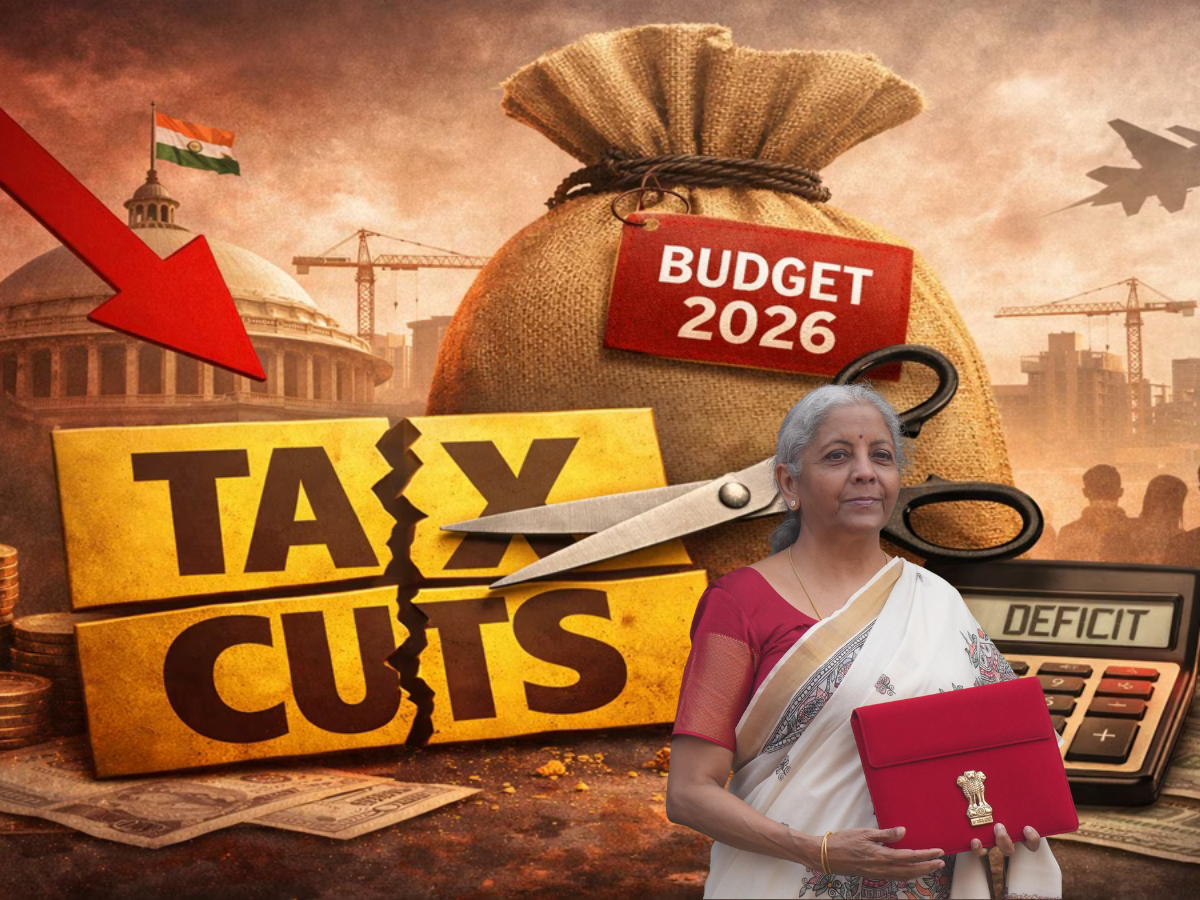
Middle-class households await Budget 2026 announcements on taxes, healthcare and cost of living relief (Photo: File)
Budget 2026 Expectations: As Finance Minister Nirmala Sitharaman prepares to present the Union Budget on February 1, 2026, the middle and lower-middle class are feeling the pinch with the GDP growth of India expected to be in the range of 6.8-7.2%, citizens are looking beyond the numbers and hoping for some respite in their everyday lives, where inflation, healthcare costs and stagnant incomes are at the top of the list of worries.
For those who receive salaries, Budget 2026 will probably include plans for the support of daily consumption people are feeling the pinch because prices for food, fuel and education are rising. On average, middle-income earners are now spending almost 55% of their monthly income on basics, compared to below 45% a decade ago.
Healthcare remains one of the major concerns in India, out of pocket spending accounts for around 48% of the country’s total healthcare expenditure. The Budget 2026 may increase support for government hospitals, expand the scope of the Ayushman Bharat scheme and enhance access to affordable medication. Another area being discussed is the possibility of reducing the age criterion to access Ayushman to 60 years and expanding coverage for serious illnesses.
Tax relief is at the very heart of what the middle class is looking for and there are signs that the standard deduction may go from Rs 75,000 to Rs 1 lakh in the new tax regime. Together with tax rebates, this could mean that people who are salary earners and have incomes of up to Rs 13 lakh may not have to pay any taxes at all. Pensioners are also demanding equality in terms of deductions for non-commuted pensions and simplification of the tax system.
The most positive news for the middle class is the chance of a higher standard deduction. It is reported that the government may increase the standard deduction from Rs. 75,000 to Rs. 1 lakh. In addition to the existing rebate, this measure may make the annual income of salaried individuals exempt from income tax up to Rs. 13 lakh.
The idea is to introduce over 300 new trains with a focus on the Amrit Bharat and Vande Bharat routes where the Vande Bharat Sleeper is finally arriving and long-distance travel is going to get its long-overdue sleeper services in a big way. The infrastructure plans appear to be aggressive with a budget likely to be over Rs. 2.75 lakh crores to eliminate waiting lists by 2030.
To support the livelihoods of people in rural areas, the compensation under the PM-Kisan scheme is expected to rise from Rs. 6,000 to Rs. 9,000 per annum. This amount has remained unchanged since 2019 and with the effect of inflation eating into the value of the original compensation of Rs. 6,000, farmer bodies and parliamentary committees are demanding that the amount be raised to mitigate the impact of rising fertilizer and seed prices. This will immediately result in an increase in the bank balances of 11 crore farmer families.
The government is set to aggressively promote cleaner energy sources by increasing subsidies for rooftop solar installations. Budget indications are that the subsidy for 2 kW solar systems will be increased from the current Rs. 30,000 per kW to Rs. 40,000 per kW, allowing every family to avail themselves of a maximum subsidy of Rs. 80,000. The larger plan is to connect one crore homes by 2027, enabling families to produce their own electricity and significantly reduce their electricity bills.
In a major step toward universal health coverage, the Ayushman Bharat (PM-JAY) scheme is expected to expand its eligibility currently, the scheme covers seniors above 70 and the budget may lower this to 60 years and above. There are also talks of increasing the Rs. 5 lakh annual limit specifically for critical illnesses like cancer and ensuring that the elderly don't have to exhaust their life savings on hospital bills.
