
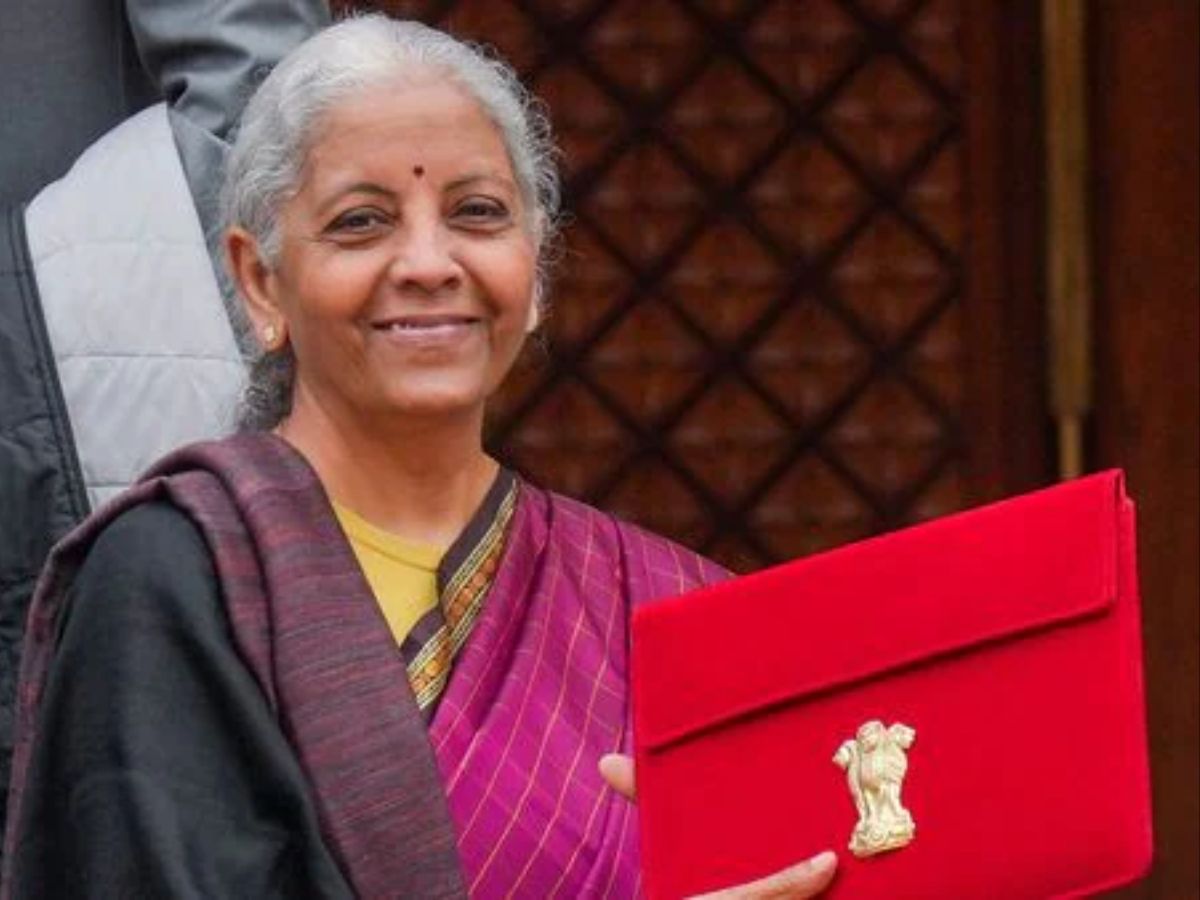
Union Budget 2026-27 has brought clarity, but little surprise, for individual taxpayers. Finance Minister Nirmala Sitharaman announced that income tax slab rates will remain unchanged for the financial year 2026-27, continuing the existing structure under both the new tax regime and the old tax regime. At a time when many expected relief through slab revisions, the government has chosen stability over immediate tax cuts.
The decision reflects the government’s focus on fiscal discipline while continuing to push the new tax regime as the default option. While there is no fresh reduction in tax rates, existing rebates and slab benefits remain intact, offering predictability to salaried individuals, professionals and middle-income taxpayers.
Union Budget 2026: No Change in Income Tax Slabs
Finance Minister Nirmala Sitharaman confirmed in her Budget speech that the income tax slabs for FY27 will remain the same as the current structure. This applies to both the new tax regime and the old tax regime, with no revisions in rates or income thresholds.
The announcement signals continuity in tax policy, allowing taxpayers to plan their finances without adjusting calculations for the upcoming year.
Budget 2026: Income Tax Slabs Under New Tax Regime for FY27
Under the new tax regime, which offers lower rates but fewer deductions, the income tax slabs remain as follows:
- Income up to ₹4 lakh: Nil
- ₹4 lakh to ₹8 lakh: 5%
- ₹8 lakh to ₹12 lakh: 10%
- ₹12 lakh to ₹16 lakh: 15%
- ₹16 lakh to ₹20 lakh: 20%
- ₹20 lakh to ₹24 lakh: 25%
- Above ₹24 lakh: 30%
Taxpayers earning up to ₹12 lakh continue to be eligible for a tax rebate under the new regime, effectively resulting in zero tax liability for many middle-income earners.
The government has consistently positioned the new tax regime as simpler and more transparent, especially for those who do not rely heavily on deductions like HRA, Section 80C or home loan benefits.
Budget 2026: Income Tax Slabs Under Old Tax Regime for FY27
The old tax regime also remains unchanged for FY27. The slabs continue to be:
- Income up to ₹2.5 lakh: Nil
- ₹2.5 lakh to ₹5 lakh: 5%
- ₹5 lakh to ₹10 lakh: 20%
- Above ₹10 lakh: 30%
Those earning up to ₹5 lakh are entitled to a rebate under existing provisions, resulting in no tax liability. No new announcement has been made regarding additional relief or changes under the old regime.
Taxpayers who benefit from deductions and exemptions may still find the old regime more suitable, depending on their financial profile.
Budget 2026: Why the Government Kept Tax Slabs Unchanged?
The decision to retain existing income tax slabs aligns with the government’s broader fiscal strategy. With a focus on capital expenditure, infrastructure development and deficit control, the Budget prioritises long-term growth over short-term tax relief.
By keeping slabs unchanged, the government avoids revenue uncertainty while continuing reforms in other areas such as indirect taxes, customs simplification and sector-specific incentives.
Budget 2026: What This Means for Salaried & Middle-Class Taxpayers?
For salaried individuals, the unchanged slabs mean take-home salaries will largely remain the same, barring changes due to standard deduction or employer-specific benefits. The absence of fresh relief may disappoint some taxpayers, but policy stability also brings predictability.
Those already aligned with the new tax regime will continue to benefit from lower rates and rebates, while taxpayers using deductions may continue under the old regime without disruption.
New vs Old Tax Regime: Which Should You Choose in FY27?
With no changes announced, the choice between the new and old tax regimes remains a personal calculation. Taxpayers with fewer deductions may prefer the new regime for its simplicity and lower rates. Those investing heavily in tax-saving instruments may still gain more under the old regime.
Financial experts advise taxpayers to compare both options annually before filing returns, as income structure and investments often change.
Why Budget 2026’s Tax Decision Matters?
While the Union Budget 2026 did not alter income tax slabs, the announcement reinforces the government’s intent to maintain consistency in personal taxation. In a year focused on growth, reforms and fiscal balance, stable tax rates may support long-term planning rather than short-term relief.




