Union Budget 2026 unveils the Mahatma Gandhi Gram Samaj initiative to support khadi and handicrafts, driving rural livelihoods and empowering artisans across India.
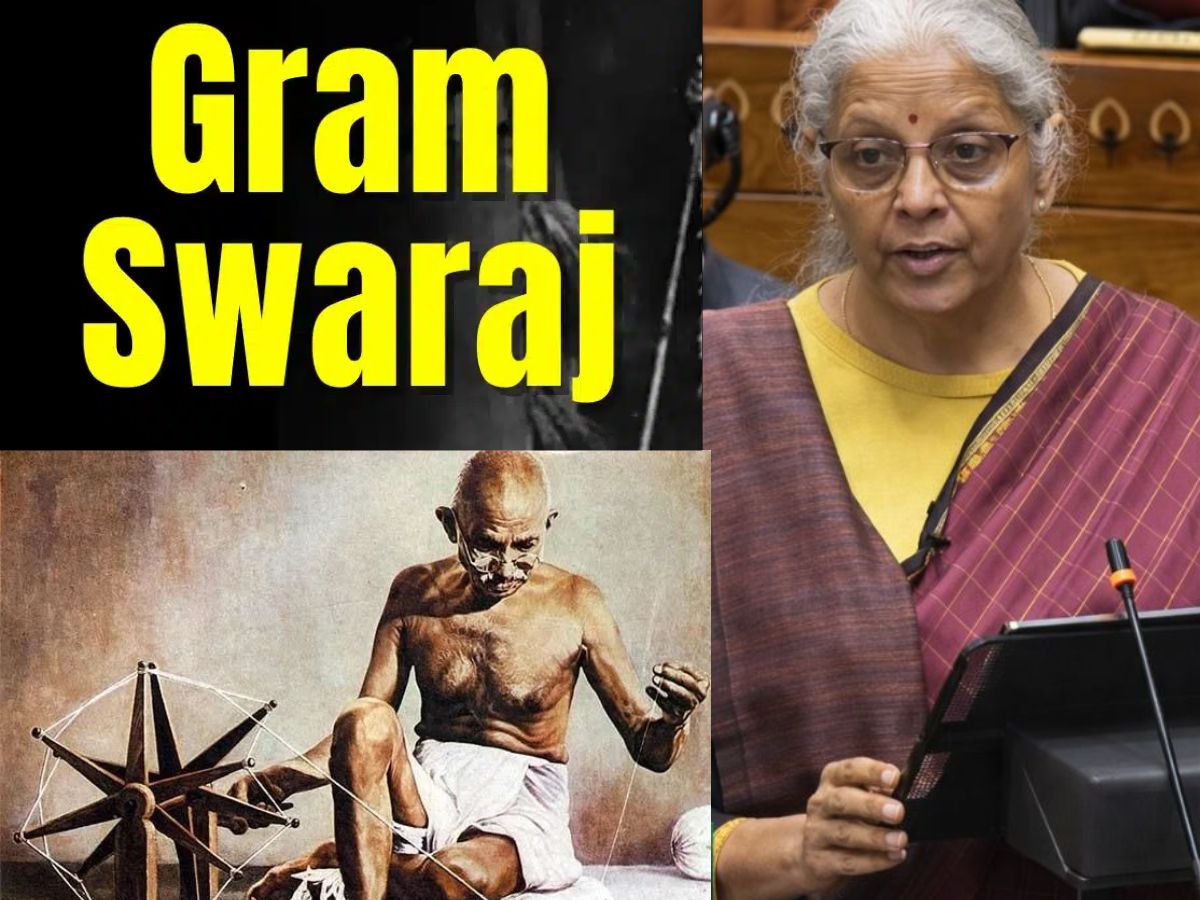
Union Budget 2026 unveils the Mahatma Gandhi Gram Samaj initiative
Union Budget 2026: Finance Minister Nirmala Sitharaman announced a new programme named Mahatma Gandhi Gram Samaj aimed at revitalising India’s khadi and handicrafts industries. The initiative is designed to provide focused support to artisans and small producers in rural and semi‑urban areas, helping preserve traditional crafts, generate jobs and strengthen local economies.
The announcement reflects the government’s continued push to promote indigenous products and empower rural communities through targeted schemes. The khadi and handicrafts sectors represent not just cultural heritage, but also a significant source of income for millions of artisans across the country.
Under the Mahatma Gandhi Gram Samaj initiative, the government plans to support khadi, hand‑spun fabrics and handicraft products by strengthening production, marketing and distribution networks. Sitharaman highlighted this in her Budget speech as a step to bolster grassroots enterprise and rural livelihoods.
Traditionally, khadi has deep roots in India’s freedom struggle and rural craftsmanship, being a symbol of self‑reliance and local enterprise. Hand‑spun and hand‑woven cloth and products have been promoted in recent years through khadi promotion campaigns and events like the Khadi Mahotsav, which seeks to enhance visibility and market access for village industries.
The khadi sector includes hand‑spun and woven fabrics that remain a major source of rural income. Handicrafts, meanwhile, cover products made by artisans working with wood, metal, stone, clay and textiles that are an integral part of India’s cultural expression.
For years, artisans have faced challenges such as limited market access, fluctuating raw material costs and inadequate financial support, which have constrained production and livelihoods. Advocates have long urged larger government backing for schemes that offer assured work, credit access and marketing support to sustain this labour‑intensive sector.
The Mahatma Gandhi Gram Samaj programme aims to bridge some of these gaps by offering structured support in production, capacity building and possibly market linkages, helping artisans compete in both domestic and export markets.
Rural artisans often depend on small‑scale production units, cooperatives and local markets for sales. Increased government support may include access to training, design innovation, technology adoption, better supply chain links and enhanced digital marketing opportunities.
Many artisans face low earnings due to limited resources and local demand challenges. Policy incentives can help scale production, connect artisans to e‑commerce platforms, and facilitate participation in national and international exhibitions.
The Mahatma Gandhi Gram Samaj programme aligns with the “Vocal for Local” philosophy and efforts to strengthen micro, small and medium enterprises (MSMEs). Under this vision, government schemes and promotional campaigns aim to help small producers build scale, quality and brand recognition.
Supporting the khadi and handicrafts ecosystem also complements other textile sector measures announced in Budget 2026, which contributed to positive sentiment among textile stocks due to expectations of continued policy backing.
