The passport contains an RFID chip storing biometric data. Eligible Indian citizens can apply through the Passport Seva Portal by following the standard passport application process.
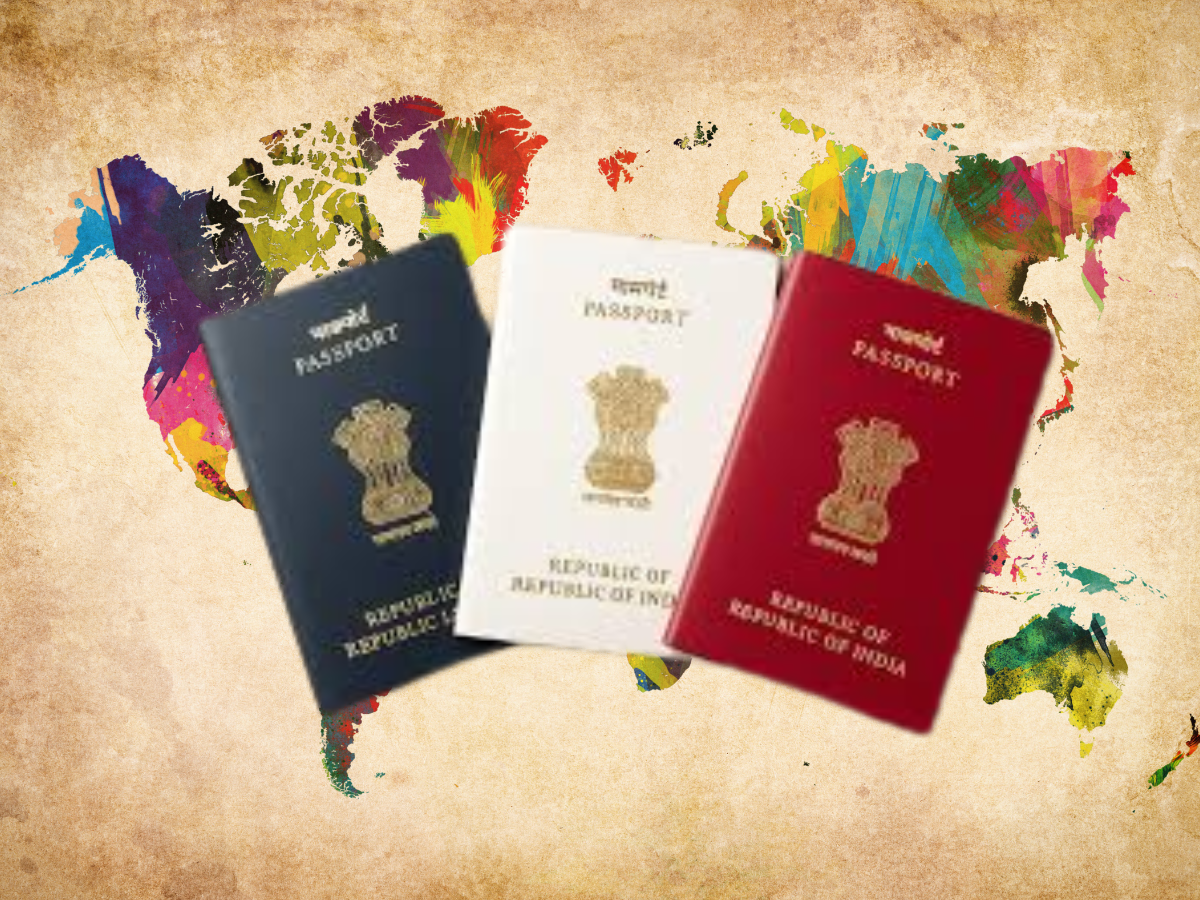
Learn how to apply for an e-passport in India in 2026, including eligibility, step-by-step application process, fees, and key benefits for international travel.
E-passport: The complete process, eligibility requirements, and associated fees for the e-passport application in India, together with its main advantages, will be available to applicants in 2026. India has introduced e-passports to make international travel safer and more efficient for citizens. The e-passport system, which enables faster identity verification through advanced technology, operates under the Passport Seva Programme (PSP 2.0) system, which includes additional security measures.
An e-passport serves as a contemporary passport equivalent to traditional passports. The booklet contains a tiny RFID (Radio-Frequency Identification) chip, which functions as an embedded security element. The chip stores crucial biometric information, which includes fingerprints and facial recognition data, plus personal data. Authorities use the digital data to confirm identity by comparing it with the printed information.
The e-passport appears the same as a standard Indian passport because of its visual design. The front cover displays a gold-colored chip symbol, which indicates that the booklet contains an electronic chip.
Any Indian citizen eligible for a regular passport can apply for an e-passport. This includes:
The current system issues e-passports from specific Passport Seva Kendras (PSKs) and Post Office Passport Seva Kendras (POPSKs) throughout major urban areas.
The e-passport application process uses the same steps that establish requirements for applying for regular passports.
The e-passport fee matches the regular passport fee, which depends on the chosen passport type and page quantity.
The RFID-enabled passport provides enhanced security features that enable quicker processing through immigration checkpoints. The system prevents identity theft while enabling passengers to travel easily through automatic airport electronic gates.
Citizens can transition to e-passports during renewal because their current passports remain valid until their expiration date.
