CAQM revoked GRAP-4 restrictions in Delhi NCR after a slight air quality improvement, but basic pollution curbs remain as AQI still stays in the 'very poor' range.
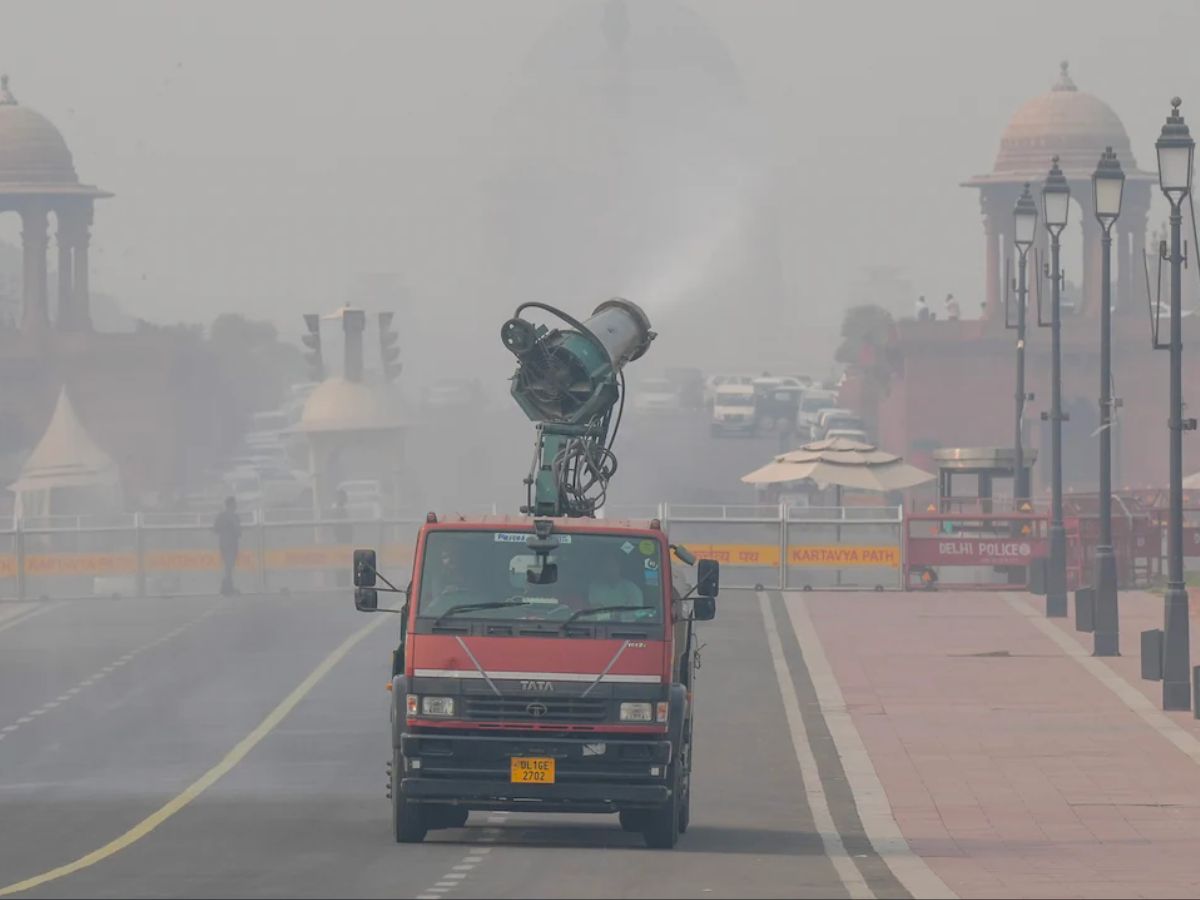
CAQM revoked GRAP-4 restrictions in Delhi NCR [Photo: X]
Air quality in Delhi and the NCR improved just enough for the Commission for Air Quality Management (CAQM) to lift the strictest curbs under the Graded Response Action Plan (GRAP) Stage 4.
This decision comes amid ongoing smog and poor air quality that continues to affect millions of residents. The daily Air Quality Index (AQI) in Delhi remained in the “very poor” category, showing a slight drop but still far from safe levels.
CAQM officials noted that winds and slight weather changes helped reduce pollution levels just enough to take Delhi out of the “severe plus” bracket linked to Stage-4 curbs. This allowed authorities to revoke the most stringent rules recently. However, the AQI still hovers in unhealthy categories, so authorities kept Stage I, II, and III actions active.
Under the continuing stages, lower-impact restrictions such as monitoring construction dust, checking polluting vehicles, and encouraging reduced vehicle use remain in force. These measures aim to prevent air quality from worsening again.
The removal of Stage-4 curbs has brought limited relief:
However, officials have stressed that this relief is conditional and may be withdrawn quickly if pollution levels rise again.
Even after the rollback of GRAP Stage-4, several pollution curbs continue under Stages I, II and III:
Authorities have made it clear that these measures will stay active as long as air quality remains in the “poor” or “very poor” category.
The Graded Response Action Plan (GRAP) is a set of pollution control measures triggered automatically when the air quality worsens. It has four stages, with Stage IV being the most restrictive. These steps range from limiting vehicle types on roads to banning construction activity and controlling industrial emissions.
When the AQI rises above certain thresholds, the corresponding GRAP level kicks in. For Delhi in winter, this often means tight controls because cooler temperatures and low wind speeds trap pollutants near the ground.
People in Delhi and the surrounding NCR areas still breathe polluted air. Medical experts warn that even “very poor” air quality can harm older adults, children, and those with respiratory illnesses. Citizens are advised to limit outdoor activities until the AQI drops further.
Authorities stress that GRAP stages can be reactivated quickly if pollution spikes again. Sudden drops in wind speed, temperature inversions, or regional crop burning could worsen air quality again and lead to new curbs. Residents should stay updated through official AQI monitors.
