One person died and several were injured in a stampede during the Kalash Yatra in Gwalior’s Dabra area. Authorities are investigating and reviewing crowd safety.
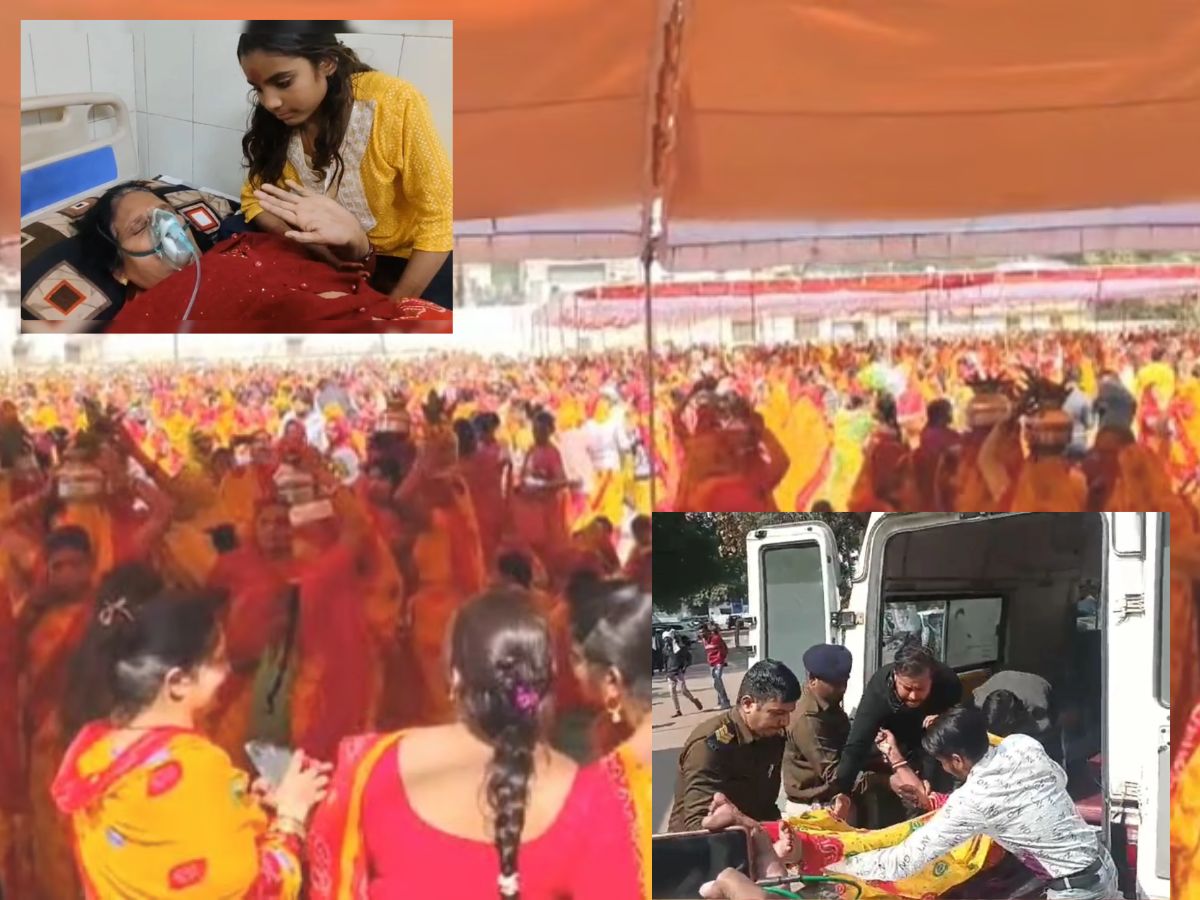
One person died, and several were injured in a stampede during the Kalash Yatra in Gwalior [Photo: X]
A deadly crowd surge during a religious procession in Gwalior left at least one person dead and several others injured, officials confirmed on Tuesday. The incident occurred during the Kalash Yatra in Dabra town of Gwalior district, where a large number of devotees had gathered for the annual event.
Emergency services rushed the injured to nearby hospitals for treatment, while authorities launched an investigation to determine the exact cause of the stampede. As police and local officials manage the aftermath, the incident has raised fresh concerns over crowd control and safety arrangements at large religious gatherings.
Officials confirmed that one person lost their life in the stampede that broke out during the Kalash Yatra in Gwalior, while multiple devotees sustained injuries. Medical teams transported the injured to nearby hospitals, where doctors are providing treatment.
Authorities said most of the injured are out of danger, though a few remain under medical observation. Police and district administration teams reached the spot soon after the incident to control the situation and assist victims.
Officials are closely monitoring the condition of those hospitalised and coordinating with medical staff to ensure proper care. The district administration has assured support to the affected families as investigations continue into what triggered the sudden crowd surge.
The Kalash Yatra is a well-attended religious procession that attracts devotees from across the region. On Monday, hundreds of people had gathered in Dabra for the event when chaos broke out, leading to a sudden and uncontrolled movement of the crowd.
Eyewitnesses reported that the large, tightly packed group caused panic among participants, which quickly escalated into a stampede. A woman was confirmed dead at the scene, and more than half a dozen people suffered injuries of varying severity.
Emergency services, including ambulances and medical teams, were deployed quickly to assist the injured and transport them to hospitals in the area.
Officials have not yet released the identities of the deceased or those injured. However, family members at the hospitals expressed shock and anger, with some blaming the organisers for inadequate arrangements and safety protocols.
Those wounded in the stampede have been admitted to local medical facilities for treatment, with several reported to be in stable condition. District authorities have promised support for the victims and their families as the situation unfolds.
Initial reports suggest that poor crowd management and safety lapses could have contributed to the chaos. Large religious events like the Kalash Yatra require careful planning, including designated pathways, barriers, and emergency response systems to prevent panic and ensure orderly movement of crowds.
Officials have said they are investigating whether any missteps in planning or execution led to the tragedy. They are also evaluating whether weather, narrow routes or sudden movement of devotees played a role in triggering the mass surge.
Several families and residents have called for stricter safety measures and accountability to prevent similar incidents in future gatherings.
Police and district officials have launched a formal probe into the incident. Law enforcement sources say they are gathering video footage and speaking with witnesses to piece together how the chaos unfolded. They are also reviewing whether crowd control barriers, volunteer deployment and emergency protocols were adequate.
Local leaders have appealed for calm, urging residents not to spread rumours or misinformation about the event. Authorities have promised to share more details once the investigation is complete.
This latest tragedy highlights persistent safety risks at major religious events in India, where large crowds can quickly become dangerous without proper management. Stampedes at religious functions have occurred in other parts of the country, drawing attention to the need for improved planning, better infrastructure, and rapid emergency response mechanisms.
Safety experts and public officials stress that active crowd control systems, such as barricades, marshals, clear communication with attendees and real-time monitoring, can help prevent similar incidents.
Stampedes during mass gatherings have, unfortunately, been seen in other religious contexts as well. For example, past stampedes at temple festivals and pilgrimage sites have resulted in large casualties and prompted government inquiries into crowd safety practices.
While each event differs in scale and context, the common lesson remains that robust crowd management and emergency planning are essential wherever large numbers of people congregate.
