India dismisses Epstein files reference to PM as “trashy ruminations”, says claims deserve contempt after US DOJ releases millions of documents.
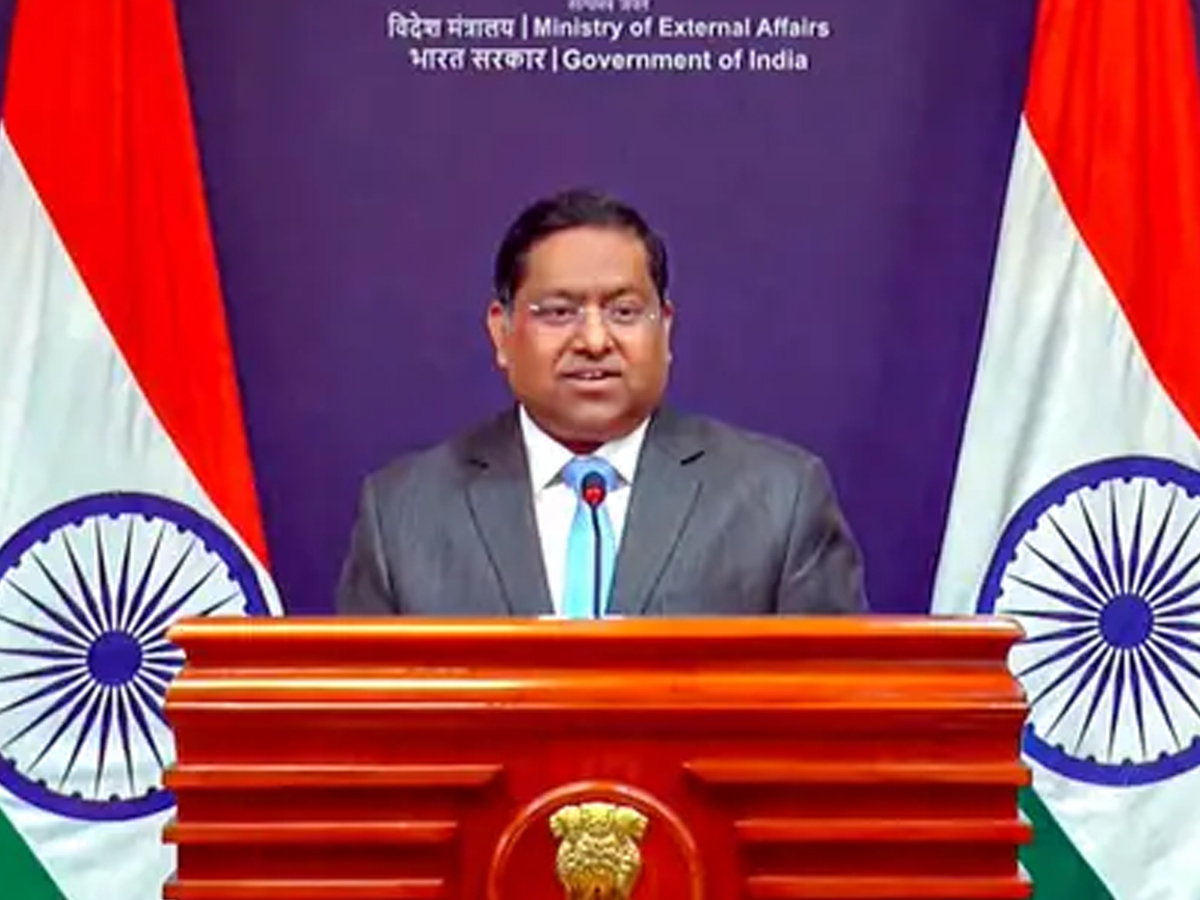
The Ministry of External Affairs (MEA) issued a clarification after reports highlighted an email from the Epstein files that mentioned the Prime Minister and his official visit to Israel in 2017. (Videograb)
India has firmly rejected a reference to the Prime Minister that surfaced in the latest batch of Jeffrey Epstein investigative files released by US authorities, calling the claims baseless and offensive. The government described the mention as nothing more than irresponsible speculation by a convicted criminal with no credibility.
The response came shortly after the US Department of Justice made public millions of pages of documents linked to Epstein, the disgraced financier and convicted sex trafficker who died in jail in 2019. Some of the documents include emails written by Epstein that reference global leaders, business figures, and officials, sparking political and media reactions worldwide.
The Ministry of External Affairs (MEA) issued a clarification after reports highlighted an email from the Epstein files that mentioned the Prime Minister and his official visit to Israel in 2017.
MEA spokesperson Randhir Jaiswal said the government had taken note of the reports but dismissed their substance outright.
“Beyond the fact of the Prime Minister’s official visit to Israel in July 2017, the rest of the allusions in the email are little more than trashy ruminations by a convicted criminal, which deserve to be dismissed with the utmost contempt,” Jaiswal said.
Statement by the Official Spokesperson to clarify certain reports:
— Randhir Jaiswal (@MEAIndia) January 31, 2026
We have seen reports of an email message from the so-called Epstein files that has a reference to the Prime Minister and his visit to Israel. Beyond the fact of the Prime Minister’s official visit to Israel in… pic.twitter.com/ZOZSwE1AZA
The government stressed that the reference carries no factual value beyond acknowledging a publicly known diplomatic visit.
The reference appears in an email Epstein reportedly sent in 2017 to a person described as a senior official in Qatar. The email forms part of the newly released investigative material, which includes emails, records, and unverified documents collected during probes into Epstein’s activities and associations.
US authorities have repeatedly clarified that the files contain raw and unverified material, and that names appearing in the documents do not imply wrongdoing.
The issue gained traction after Congress leader Pawan Khera raised the matter on social media, calling it a “national shame” that Epstein, described as a child sex offender and serial rapist, had written about the Prime Minister.
Khera also demanded a clarification from the government, prompting the MEA’s public response.
The government, however, rejected the opposition’s framing and maintained that giving importance to such references only amplifies the baseless claims of a convicted criminal.
The controversial email surfaced after the US Justice Department released a massive tranche of Epstein-related records under a transparency law passed by the US Congress. The release includes around 3.5 million pages of documents and nearly 2,000 videos, making it one of the largest disclosures tied to the Epstein investigations.
The files span decades and include emails, tips, drafts, and investigative material, much of which remains unverified or heavily redacted.
Indian officials emphasised that Epstein had a history of exaggeration and manipulation, and that his writings should not be treated as credible evidence. The MEA’s statement made it clear that only officially documented events, such as the Prime Minister’s visit to Israel, hold any factual relevance.
By issuing a strong and brief clarification, the government aimed to shut down speculation and prevent the spread of misinformation tied to the Epstein document release.
As governments, media organisations, and researchers continue to examine the Epstein files, many countries have reiterated the need to separate verified facts from unproven allegations. The Indian government’s response aligns with this approach, underscoring that unsubstantiated references should not be mistaken for evidence.
For now, India has drawn a clear line, rejecting the claims outright and urging that they be treated with the
