
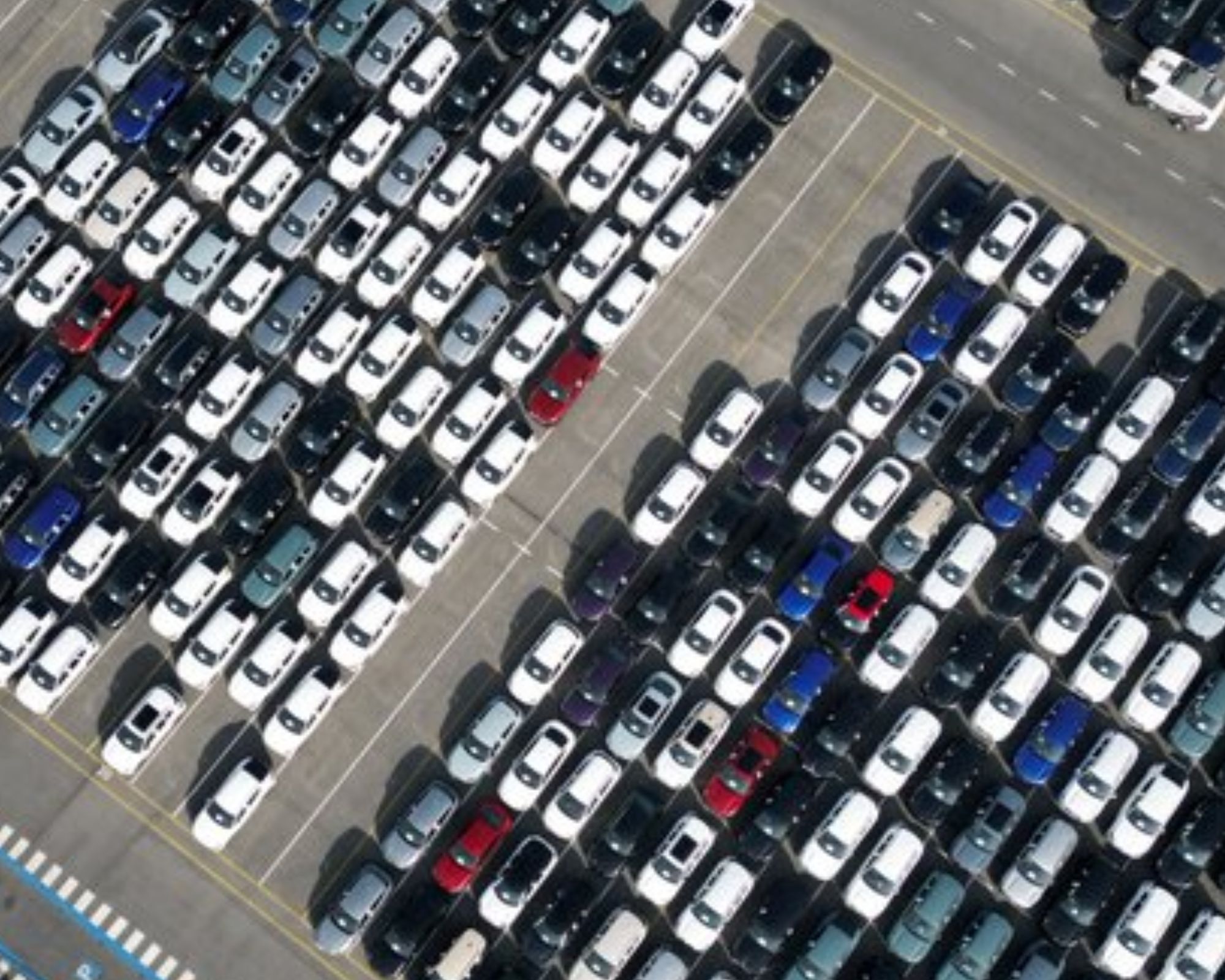
India is preparing to make a major cut in import taxes on cars coming from the European Union. The duty may fall to 40%, down from the current high level of up to 110%, according to sources. This step would mark one of the biggest openings of India’s automobile market as India and the EU move closer to signing a long-awaited free trade agreement (FTA), which could be announced as early as Tuesday.
Sources familiar with the discussions told Reuters that Prime Minister Narendra Modi’s government has agreed to immediately lower the tax for a limited number of EU-made cars priced above 15,000 euros ($17,739). Over time, this duty is expected to fall even further to 10%. This change would make it easier for European car companies like Volkswagen, Mercedes-Benz, and BMW to enter and expand in the Indian market.
The sources did not want to be named because the negotiations are private and final details may still change. India’s commerce ministry and the European Commission did not give any official comment.
Trade Pact Called "the mother of all deals"
India and the EU are likely to announce the completion of long-running FTA negotiations soon. After that, both sides will work out final details and officially approve the agreement. The deal has already been described as "the mother of all deals."
This agreement could boost trade between the two regions and help Indian exports such as textiles and jewellery. These sectors have recently been hurt by 50% U.S. tariffs imposed since late August.
India’s Car Market and Tariff Protection
India is the third-largest car market in the world after the United States and China. However, the country has long protected its local auto industry with very high import taxes. At present, India charges 70% to 110% duty on imported cars. Business leaders, including Tesla CEO Elon Musk, have often criticized these high rates.
One source said India has proposed cutting import taxes to 40% immediately for about 200,000 petrol and diesel cars each year. This is considered the boldest step yet to open the sector. However, this quota may still change.
Electric Vehicles to Be Protected
Battery electric vehicles (EVs) will not get duty reductions for the first five years. This move aims to protect Indian companies such as Mahindra & Mahindra and Tata Motors, which are investing in the growing EV market. After five years, EVs may also get similar tax cuts.
Impact on European Automakers
Lower import duties would strongly benefit European brands such as Volkswagen, Renault, Stellantis, Mercedes-Benz, and BMW. Many of these companies already produce cars in India but have struggled to expand due to high taxes. Reduced tariffs would allow them to bring in imported models at lower prices and test demand before investing more in local factories, one source said.
Market Dominated by Local Players
At present, European carmakers hold less than 4% of India’s car market, which sells about 4.4 million vehicles per year. The market is mainly controlled by Japan’s Suzuki and Indian companies Mahindra and Tata, which together make up around two-thirds of total sales.
India’s car market is expected to grow to 6 million vehicles annually by 2030. Because of this future potential, some automakers are already planning new investments. Renault is returning with a fresh strategy as it seeks growth beyond Europe, where Chinese car brands are expanding quickly. Meanwhile, Volkswagen Group is preparing its next investment phase in India through its Skoda brand.