India seizes three US-sanctioned oil tankers near Mumbai and boosts Coast Guard surveillance to curb Iran-linked illicit oil trade in EEZ.
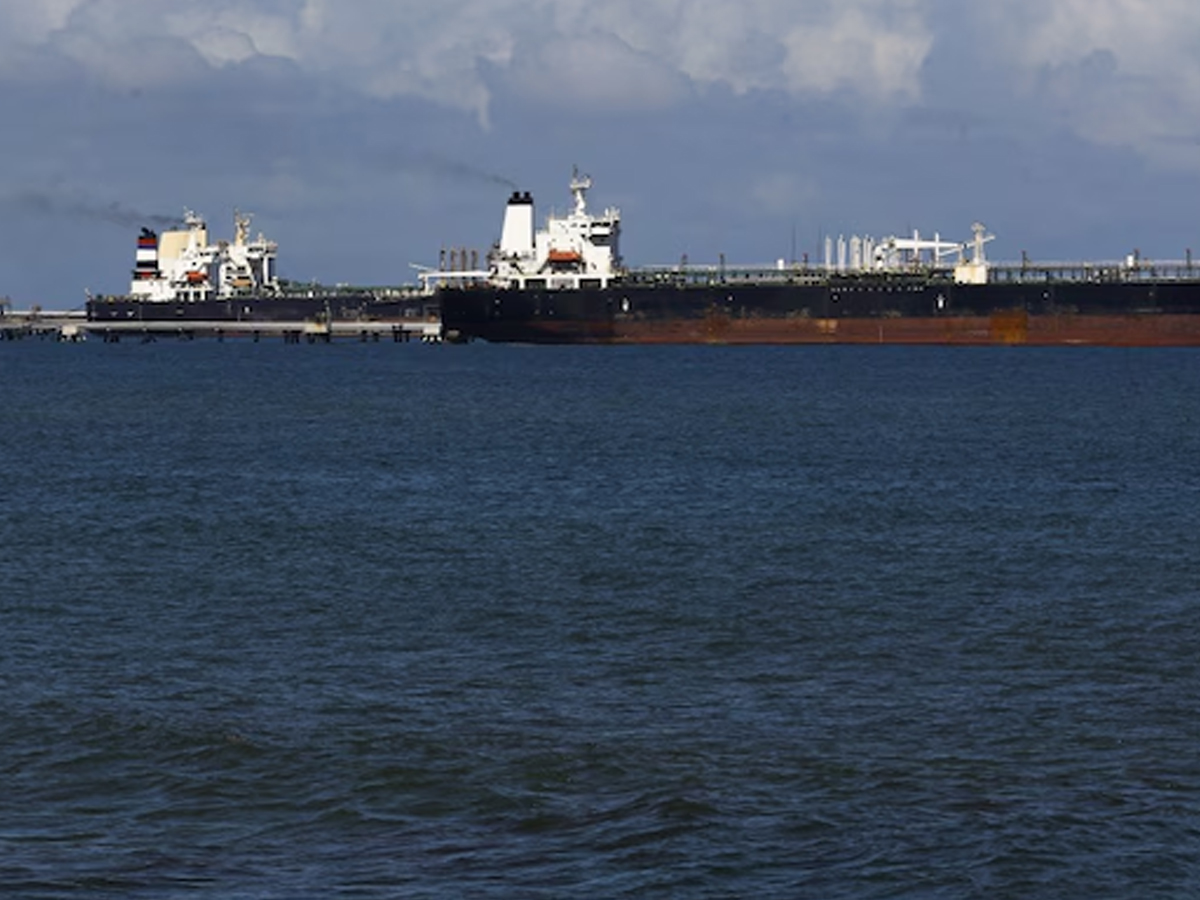
While the Indian government confirmed the seizure, it did not officially mention any connection to Iran. (Photo: Social Media)
India has stepped up its fight against illegal oil trade by seizing three oil tankers near Mumbai and expanding surveillance across its maritime zone. The action marks one of the strongest recent enforcement moves in the Arabian Sea and signals tighter monitoring of ship-to-ship oil transfers inside India’s Exclusive Economic Zone (EEZ).
Authorities intercepted the vessels, Stellar Ruby, Asphalt Star, and Al Jafzia, about 100 nautical miles west of Mumbai, earlier this month after detecting suspicious maritime activity. Officials later escorted the ships to Mumbai for a detailed investigation.
While the Indian government confirmed the seizure, it did not officially mention any connection to Iran. However, international reports have linked the vessels to networks involved in transporting sanctioned oil.
According to a February 17 statement issued by the Press Information Bureau, the Indian Coast Guard carried out a coordinated sea-air operation between February 5 and 6. Officials described the mission as a targeted strike against an organised oil smuggling syndicate operating through mid-sea cargo transfers.
Coast Guard teams boarded the vessels and conducted detailed inspections. They examined electronic navigation data, checked ship documents, and questioned crew members. Investigators found that the ships used complex ship-to-ship transfers in international waters to hide the true origin of their oil cargo and avoid duties payable to coastal states.
Authorities revealed that technology-driven surveillance systems first flagged one motor tanker inside the EEZ. Further digital tracking identified two more vessels approaching it, leading to a coordinated interception.
International shipping data suggests that the tankers may have links to vessels sanctioned last year by the US Office of Foreign Assets Control. Reports indicate that the International Maritime Organization (IMO) numbers of previously sanctioned ships matched those of the vessels seized by India.
Shipping records show that Al Jafzia reportedly carried Iranian fuel oil to Djibouti in 2025. Stellar Ruby was flagged in Iran, while Asphalt Star mainly operated on routes around China. Iranian state media, citing the National Iranian Oil Company, denied any connection between the seized vessels and the company.
Ship-to-ship (STS) transfers allow oil cargo to move between vessels in open waters. Smuggling networks often use this method to disguise the source of sanctioned oil. Operators frequently change vessel names, flags, and ownership documents to avoid detection.
Investigators believe the seized tankers repeatedly altered their identities to evade maritime law enforcement. Authorities suspect layered ownership structures and false documentation played a role in the alleged smuggling operation.
Following the seizure, India expanded round-the-clock maritime monitoring. Officials deployed around 55 Coast Guard ships and 10–12 aircraft across sensitive zones. The move strengthens oversight in the Arabian Sea and reinforces India’s commitment to maritime security.
The crackdown comes at a time of improving strategic ties between New Delhi and Washington, particularly in areas of energy cooperation, trade, and sanctions compliance. By targeting suspicious oil shipments, India aims to safeguard its EEZ, ensure fair trade practices, and prevent illegal financial flows.
Authorities are expected to hand over the vessels to Customs and other law enforcement agencies for further legal action. The investigation continues as officials examine electronic records and cargo details to determine the full scale of the alleged smuggling network.
India’s decisive action sends a clear message: it will not allow illicit oil trade or suspicious maritime activity to operate within its waters unchecked.
