India nears approval of a historic ₹3.25 lakh crore deal to buy 114 Rafale jets from France, boosting air power and domestic defence manufacturing under Make in India.
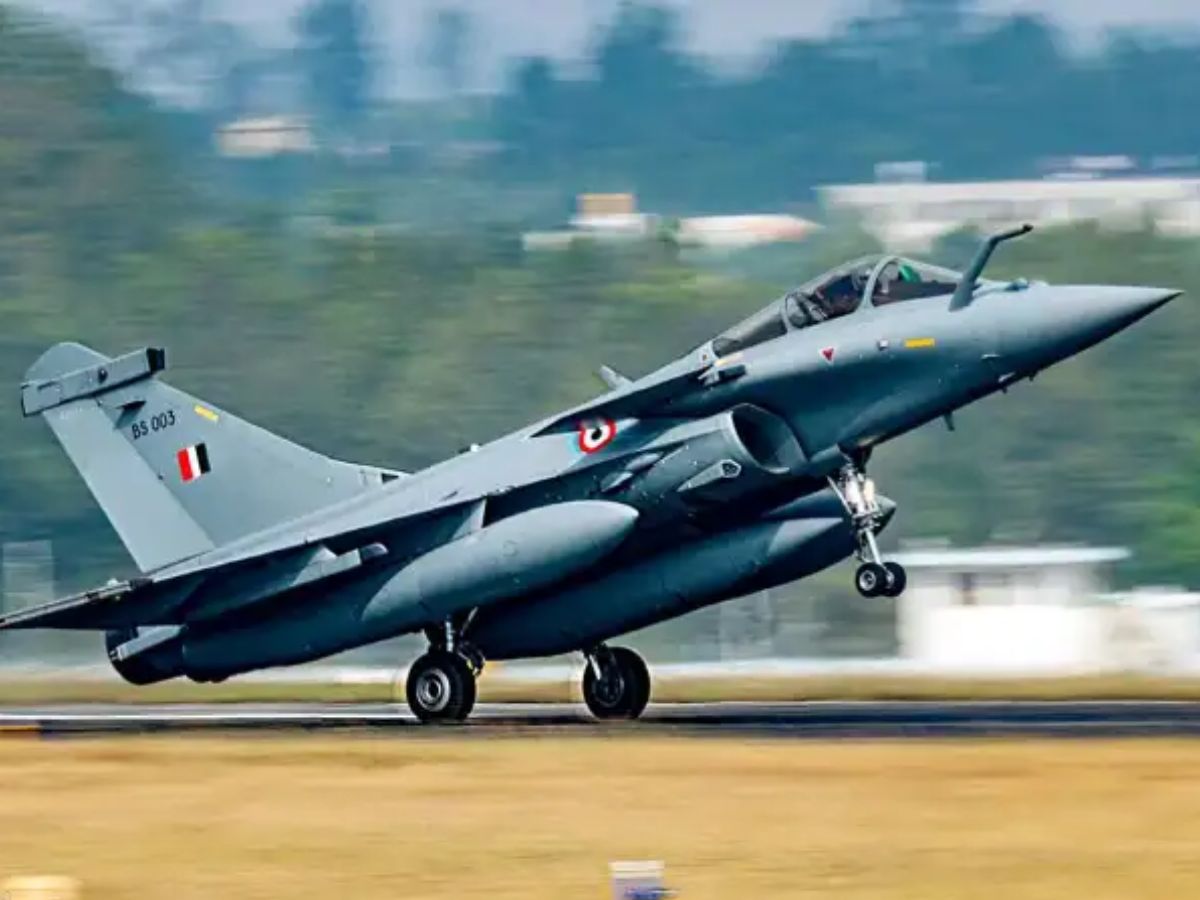
India nears approval of a historic ₹3.25 lakh crore deal to buy 114 Rafale jets from France [Photo: X]
India is moving closer to finalising a historic defence deal to acquire 114 French-made Rafale fighter jets for approximately ₹3.25 lakh crore. The proposal, expected to be discussed by the Defence Ministry this week, could be cleared ahead of French President Emmanuel Macron’s visit to Delhi later this month.
Once approved, the agreement will significantly enhance the Indian Air Force’s combat capabilities while advancing domestic aerospace manufacturing under the government’s 'Make in India' initiative. The deal is set to become the largest defence procurement in India’s history, both in value and strategic scope.
The proposed Rafale acquisition represents a major milestone in India’s military modernisation drive. At a time when the Air Force faces declining squadron strength and growing regional security challenges, the deal aims to enhance operational readiness with proven, battle-tested aircraft rapidly.
Officials expect the proposal to receive key approvals soon, setting the stage for formal negotiations with France.
The proposed acquisition falls under the Indian Air Force’s Multi-Role Fighter Aircraft (MRFA) programme, aimed at addressing falling squadron strength and replacing ageing fighter fleets.
India already operates 36 Rafale ‘C’ variant jets, with the last aircraft delivered in December 2024. In addition, the country has placed an order for 26 Rafale-M naval variants worth ₹63,000 crore, designed for aircraft carrier operations. The new deal will massively expand India’s Rafale fleet, making India one of the largest Rafale operators globally outside France.
The proposal to buy 114 additional Rafale jets from French aerospace giant Dassault Aviation marks a major strategic shift for India’s air power. Earlier this year, the Defence Procurement Board cleared the acquisition plan, and it is now set to move to the Defence Acquisition Council (DAC) — chaired by Defence Minister Rajnath Singh — for further approval.
The deal’s estimated value of ₹3.25 lakh crore (~$39 billion) makes it India’s largest arms deal to date, dwarfing past acquisitions and reflecting New Delhi’s intent to modernise its combat fleet at speed.
Under the proposal:
India already operates 36 Rafale jets with the Indian Air Force, which have seen action in recent operations and demonstrated strong combat and avionics performance. The Indian Navy has also ordered 26 Rafale-M naval variants for carrier operations.
The new acquisition will take India’s Rafale fleet to around 176 aircraft, significantly enhancing its air combat capabilities and squadron strength. Analysts say this is crucial as India balances regional security challenges and seeks to modernise ageing jet fleets.
Military planners view the deal as a force multiplier — adding a mix of air superiority, strike and electronic warfare capabilities that complement India’s existing Su-30 MKI fleet and future indigenous programmes like the AMCA.
A core element of the deal is local production and technology transfer. French manufacturer Dassault Aviation is expected to partner with Indian firms, including Tata-led consortia, to build major sections of the aircraft domestically.
This would dramatically expand India’s aerospace manufacturing base and create skilled jobs, while allowing the integration of Indian weapons and systems into the Rafale platform — a key condition India has emphasised during negotiations.
Additionally, the government may set up advanced Maintenance, Repair and Overhaul (MRO) facilities for engines and avionics, further strengthening domestic support infrastructure.
The anticipated deal comes at a time when India is deepening strategic partnerships with Western defence suppliers, reflecting broader geopolitical shifts. Strengthening ties with France reinforces defence cooperation and positions India as a key security partner amid Indo-Pacific tensions.
The purchase also aligns with India’s effort to reduce dependence on older Russian equipment and diversify its defence supply chain, a policy element that has shaped recent procurement choices.
While the Defence Procurement Board has cleared the proposal, the Rafale deal still requires endorsement by the Defence Acquisition Council (DAC) and ultimately the Cabinet Committee on Security (CCS) before becoming official.
Officials expect these approvals to occur this month, with negotiations on final terms — including indigenous integration and production timelines — continuing in parallel.
For the Indian Air Force, this acquisition is more than just a numbers game. Rafale jets offer advanced sensors, electronic warfare suites, and long-range strike capabilities that markedly improve combat readiness. With these jets, India can sustain modern air dominance and precision strike operations over vast operational theatres.
The scale and ambition of the deal also send a strong message about India’s defence priorities: investing in high-end platforms while building domestic production ecosystems that promise enduring capability and competitiveness.
