Indian stock and commodity markets will remain open for full trading on Sunday, February 1, 2026, as markets react in real time to the Union Budget announcements and policy signals.
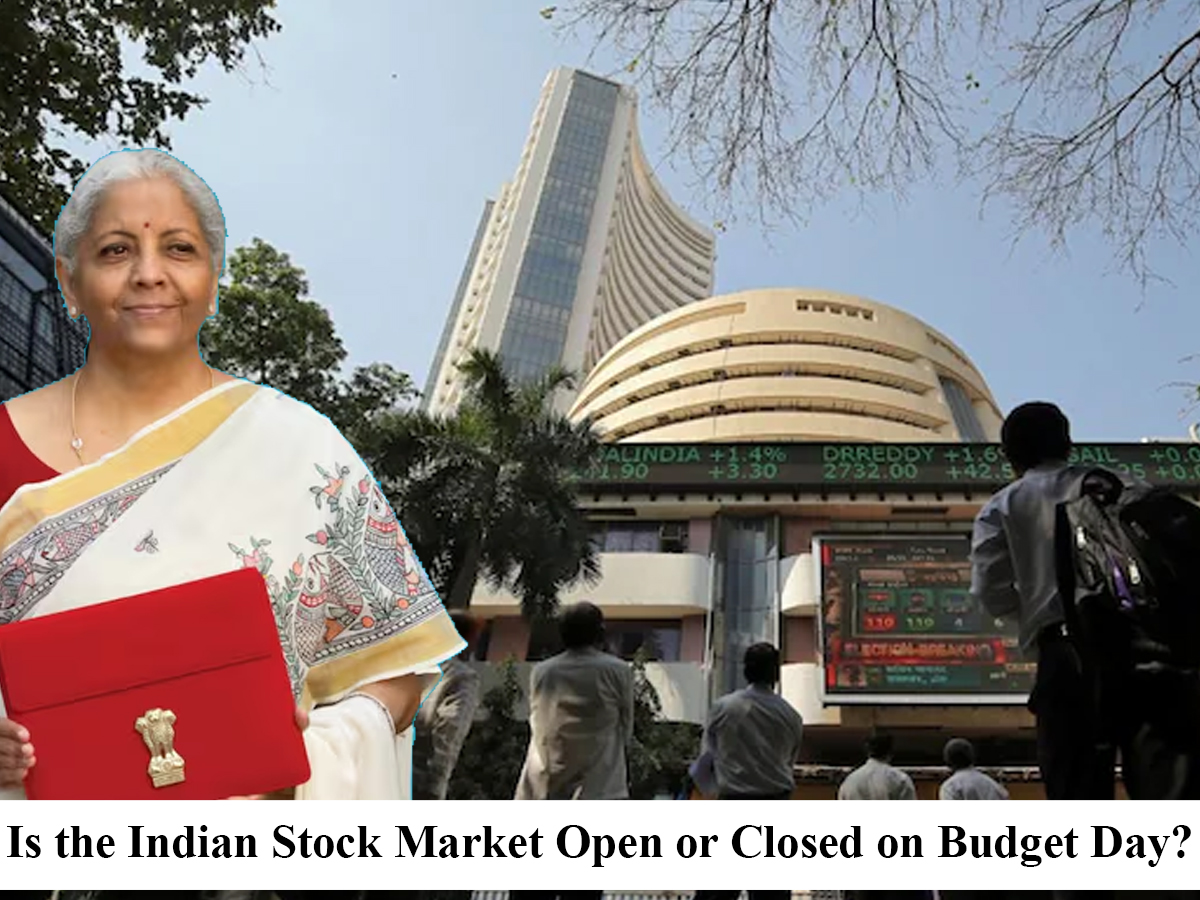
Typically, the National Stock Exchange (NSE) and Bombay Stock Exchange (BSE) remain closed on weekends, including Sundays.
Indian financial markets will break their usual weekend closure on Sunday, February 1, 2026, to allow live trading during the Union Budget 2026 presentation. Investors and traders have been watching closely as the date falls on a Sunday — a rare occurrence that has spurred stock exchanges to adjust their schedules to a special live session. This move allows participants to respond instantly to key fiscal policy announcements and market signals as they emerge.
Typically, the National Stock Exchange (NSE) and Bombay Stock Exchange (BSE) remain closed on weekends, including Sundays. Standard weekly holidays help markets operate Monday through Friday and pause over weekends. But this year, because the Union Budget 2026 speech falls on Sunday, regulators and exchanges have decided to keep markets open.
This is a notable shift from normal routines and marks only the second time in independent India’s history that markets will open on a Sunday for the Budget. Previously, such a situation occurred back in 1999, when Sunday markets were opened for the Budget presentation.
To accommodate investors and traders, the exchanges have declared a special trading session on Sunday, February 1:
During this period, both equity indices and individual stocks will be tradable as usual, giving market participants the chance to adjust positions based on fiscal announcements.
However, settlement norms will differ because banks remain closed on Sundays. This means some post-trade activities will be deferred to the next business day.
It’s not just equity markets that will open on Sunday. The Multi-Commodity Exchange (MCX) and National Commodity and Derivatives Exchange (NCDEX) will hold special sessions too:
Commodity contracts such as gold, silver, crude oil, base metals, and agricultural products will trade live across the day, allowing traders to capture real-time price movements as Budget impacts unfold.
Markets gearing up for Budget day often show mixed sentiment, with some sectors rallying in anticipation of reforms, while others react cautiously to possible tax changes or spending shifts. Being open on a Sunday gives traders a rare opportunity to gauge sentiment right when the Budget speech begins.
Many analysts believe this live session will boost transparency and liquidity, as immediate reactions to policy changes can be factored into trading positions on the same day.
By keeping the markets active on Sunday, February 1, 2026, Indian exchanges are giving investors a chance to act on the Budget news instantly. This special session underscores how important fiscal policy is for market behaviour and shows a growing willingness to adapt traditional market calendars to major national economic events.
