External Affairs Minister S. Jaishankar on Monday briefed the Rajya Sabha on the rapidly intensifying conflict in West Asia following joint strikes by the United States and Israel on Iran
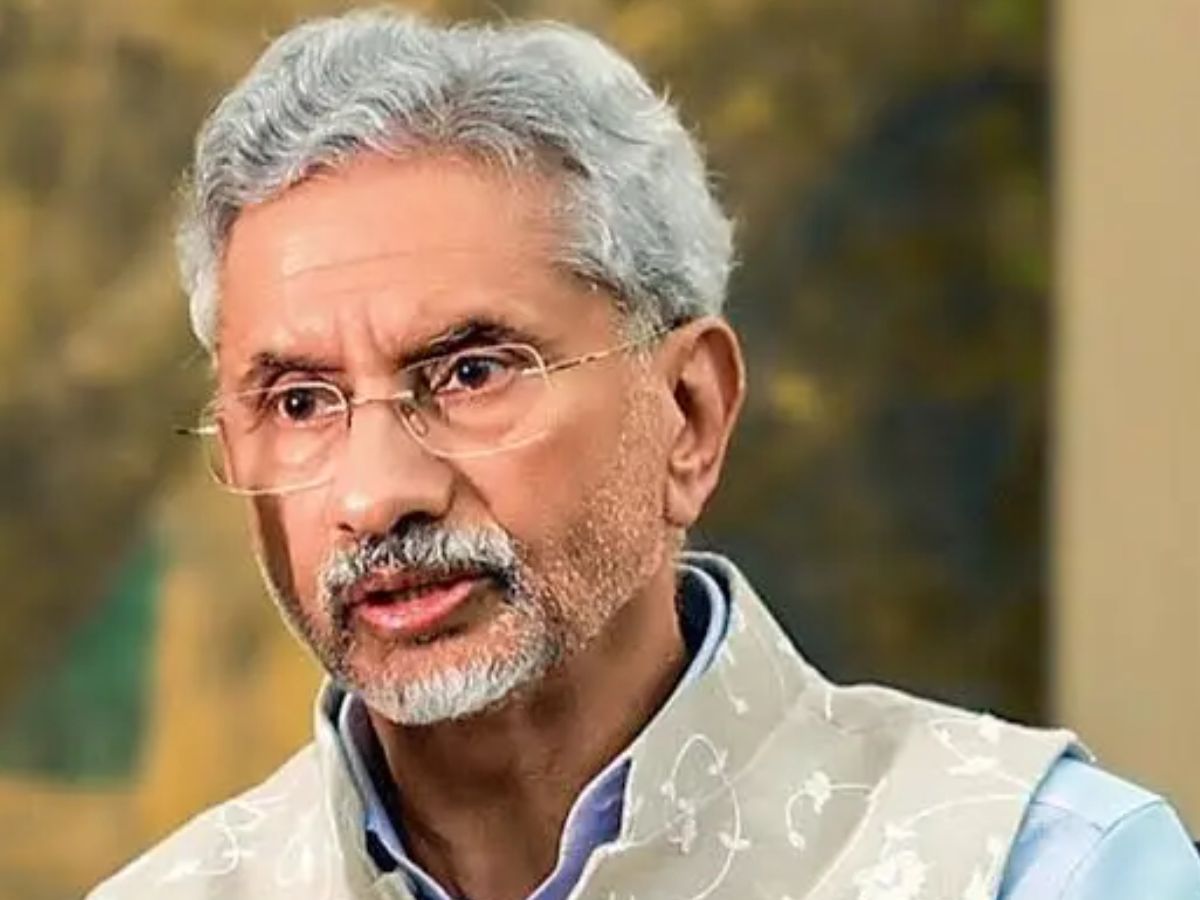
Jaishankar briefs Rajya Sabha on West Asia war (Source: X)
External Affairs Minister S. Jaishankar on Monday briefed the Rajya Sabha on the rapidly intensifying conflict in West Asia following joint strikes by the United States and Israel on Iran, which have triggered broader regional tensions.
Speaking in the Upper House amid sloganeering by Opposition members, Jaishankar said that Prime Minister Narendra Modi is closely monitoring the evolving situation and that various ministries are working in coordination to respond effectively to the developments.
“The Prime Minister continues to closely monitor the emerging developments, and relevant ministries are coordinating to ensure effective responses,” Jaishankar told the House.
The minister’s statement comes after a major escalation that began on February 28, when joint strikes by the United States and Israel targeted multiple locations in Iran. The attacks reportedly led to the death of Iran’s former Supreme Leader Ali Khamenei and several senior figures associated with the ruling establishment, sparking a wider regional confrontation.
Jaishankar noted that the situation has continued to deteriorate, with fresh strikes reported over the weekend on oil depots and water desalination facilities across the region.
He also pointed out that India had earlier expressed concern over rising tensions even before hostilities broke out. “Our government had issued a statement on 20th February expressing deep concerns and urging all sides to exercise restraint. We continue to believe that dialogue and diplomacy should be pursued to de-escalate the tensions,” he said.
The External Affairs Minister further informed the House that the Cabinet Committee on Security, chaired by Prime Minister Modi, has been closely monitoring the evolving crisis. According to him, the committee is particularly focused on the broader regional implications as well as the safety and challenges faced by Indian nationals living in or travelling through the affected areas.
“All ministers were directed to take appropriate measures to tackle this issue,” Jaishankar said, adding that the geopolitical environment in the region has worsened significantly and the conflict could potentially spread to other countries.
Addressing concerns over India’s energy security, Jaishankar said the government is closely tracking developments in global energy markets, especially in light of disruptions to key trade routes such as the Strait of Hormuz.
“In view of the implications of this conflict for our energy security, the government remains committed to ensuring that it takes into account the availability, cost and risks of the energy markets. For us, the interest of the Indian consumer is and will always be the overriding priority,” he said.
Despite disruptions during the proceedings, Jaishankar reiterated that India believes diplomacy remains the most viable path to reduce tensions. “Dialogue and diplomacy are the ways forward for all sides to de-escalate,” he added.
Meanwhile, the Opposition criticised the government for not allowing a detailed discussion in Parliament. Congress MP Shashi Tharoor said that simply reading out a statement without allowing members to raise questions was unfair.
Speaking to reporters outside Parliament, Tharoor said the issue was of serious national importance and deserved a comprehensive debate. “The purpose of Parliament is to take up the issues that matter to India and to have a serious discussion. Just reading a statement without any questions is not fair to the members of the House,” he said.
He added that Opposition parties wanted to raise concerns related to energy security, rising global oil prices, and the possible impact on domestic LPG prices. Tharoor also underlined the broader questions surrounding international law and India’s diplomatic approach to the conflict. “There are larger questions of international law. Whatever those questions may be, Parliament is the right forum to ventilate them,” he said, adding that such a discussion would allow MPs to reflect the views of a wider section of the country.
Notably, opposition members continued to press for a debate under Rule 176 in the Rajya Sabha, particularly focusing on the potential impact of the conflict on India’s energy security and the safety of Indians residing in the region.
