Rising tensions in West Asia have triggered fears of LPG supply disruptions across India, with long queues, commercial shortages
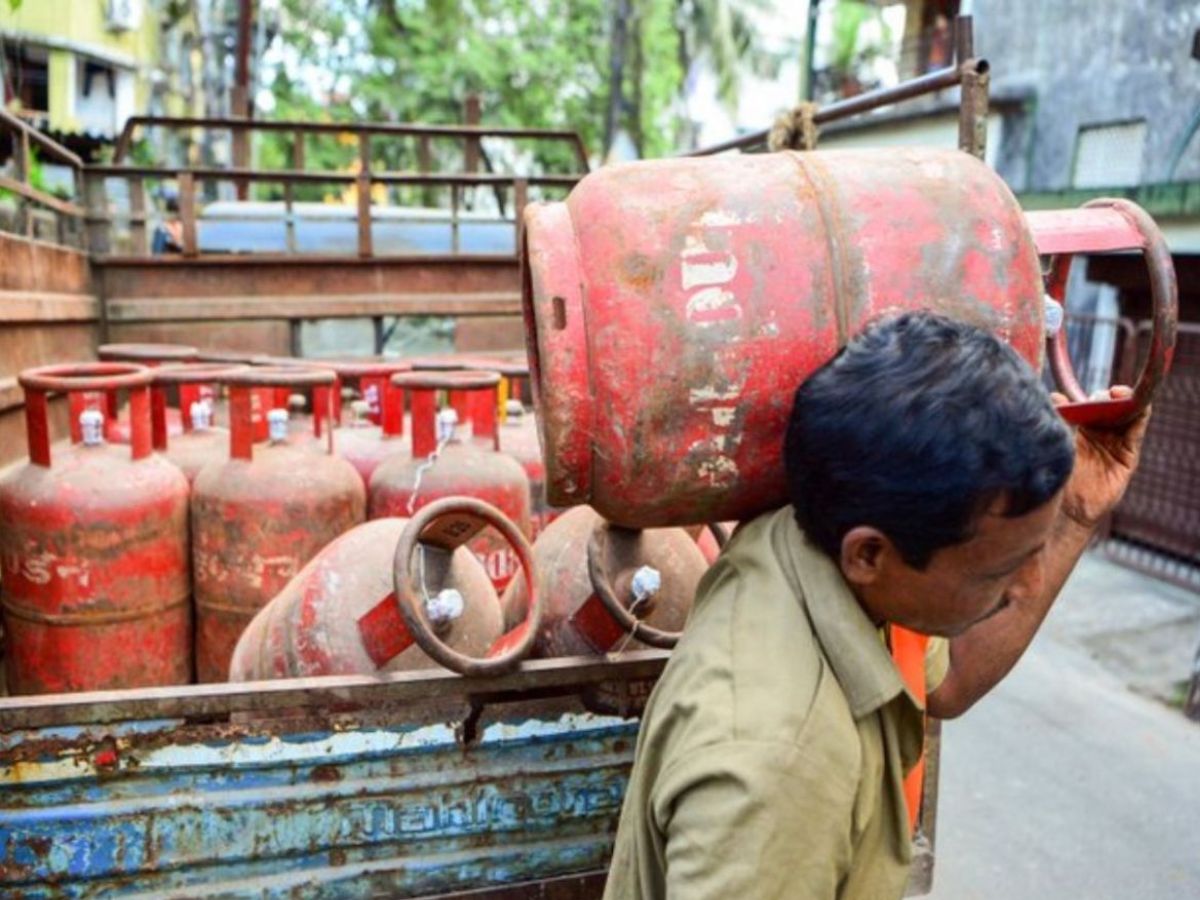
LPG Supply Disruptions Impact Hotels and Commercial Users in Several States (File Photo)
LPG Shortage in India: The growing tensions in West Asia and a rise in global crude oil prices have now begun to raise alarms about the availability of cooking gas in a number of Indian regions. Long queues in LPG agencies, complains from restaurants, and precautionary measures taken by the government have all contributed to growing worries among users. Yet, authorities continue to allay fears by claiming that the situation is well in hand and there is no shortage of LPG for domestic consumption at present, while measures are being taken to tighten LPG supplies for domestic consumption.
The fear of disruption in the supply of LPG because of the ongoing conflict involving Iran has resulted in panic buying in many places. This has resulted in the presence of people in long queues outside the LPG agencies. This has been captured in the videos floating on social media, where people are seen waiting in line outside the agencies with the LPG cylinders empty.
The recent increase in the price of LPG has also resulted in the increase in the overall concerns of the public. The price of a 14.2 kg domestic LPG cylinder has been increased by ₹60. The price in Delhi now stands at ₹913. Commercial LPG cylinders are now more expensive by ₹115.
This has been particularly evident in Delhi, where the supply of commercial-grade LPG has apparently been severely affected. The supply agencies have stated that the supply of commercial-grade LPG cylinders has almost come to a halt.
The National Restaurant Association of India has stated that the restaurants are currently only left with two to three days’ supply of LPG and could start closing down in a matter of days. However, there are also reports of panic buying and the prices being sold in the black market for as much as ₹1,500 in the Delhi-NCR area.
However, the disruption is not limited to the national capital. In the state of Karnataka, the Deputy Chief Minister of the state, Mr. DK Shivakumar, stated that the hotel industry has been impacted in the state. Hotels in the state capital Bengaluru have threatened to be disrupted as there has been a stoppage of commercial gas supply.
Restaurants in the state of Maharashtra have been experiencing delayed supplies of LPG. In addition, some crematoriums in the city of Pune have restricted the usage of LPG to avoid a shortage. Restaurants in the state capital Kolkata have been exploring alternative fuel supplies as the supply of LPG is still suspended.
Government officials are stating that the country is not currently experiencing a shortage of LPG. According to government sources, India currently has enough reserves in stock, enough to meet demand for 25 to 30 days, in spite of any disruptions in imports.
To ensure the stability of LPG supplies, India imports LPG from many international suppliers, such as those in the United Arab Emirates, Algeria, Australia, Canada, and the United States. India’s Petroleum Minister, Hardeep Singh Puri, has stated, “No shortage of energy in India and no cause for concern.”
While domestic consumers continue to enjoy top priority, commercial establishments are already witnessing disruptions in LPG supply in some areas. Even restaurant associations in states like Maharashtra and Karnataka have issued warnings that irregular supply of commercial LPG cylinders may lead to closure of eateries if this situation persists.
Hotel and restaurant owners are of the opinion that the supply of commercial cylinders is very slow, making it very difficult to run their kitchens since LPG is their main source of cooking.
However, the situation is slightly different in the case of households using piped natural gas (PNG). Unlike the use of LPG cylinders, PNG is provided through pipelines. Hence, the consumers do not need the delivery of cylinders. However, according to energy experts, the prices could increase in the future if the global energy markets are unstable because of geopolitical tensions.
Thus, the prices for PNG users would increase, unlike the situation faced by the users of LPG cylinders.
Despite the consistent supply level, the government has begun to take precautionary measures in order to curb the menace of hoarding and panic buying. The authorities have invoked the provisions of the Essential Commodities Act, 1955. They have directed the oil refineries and marketing companies to focus on the production of LPG for use by domestic consumers.
The refineries are directed to produce maximum LPG and use the propane and butane streams for the purpose. Usually, these streams are utilized in the production of petrochemicals. Moreover, the distribution of LPG for domestic use has been prioritized over its use in the commercial and industrial sector. Furthermore, the government has also introduced a 25-day gap between the bookings for refilling LPG cylinders in order to curb the menace of hoarding.
The conflict in West Asia is a region of interest for India because India is a large importer of LPG. A significant part of these imports goes through the strategically critical Strait of Hormuz, which is one of the busiest shipping routes in the world for oil and energy products.
Any conflict in this region has the potential to affect global supply chains or impact oil prices. That is why the Indian government is keeping a watchful eye on this situation so that fuel for cooking remains available at all times.
