India’s new labour codes bring a strict compliance checklist for employers covering wages, layoffs, social security and workplace safety. Know your rights.
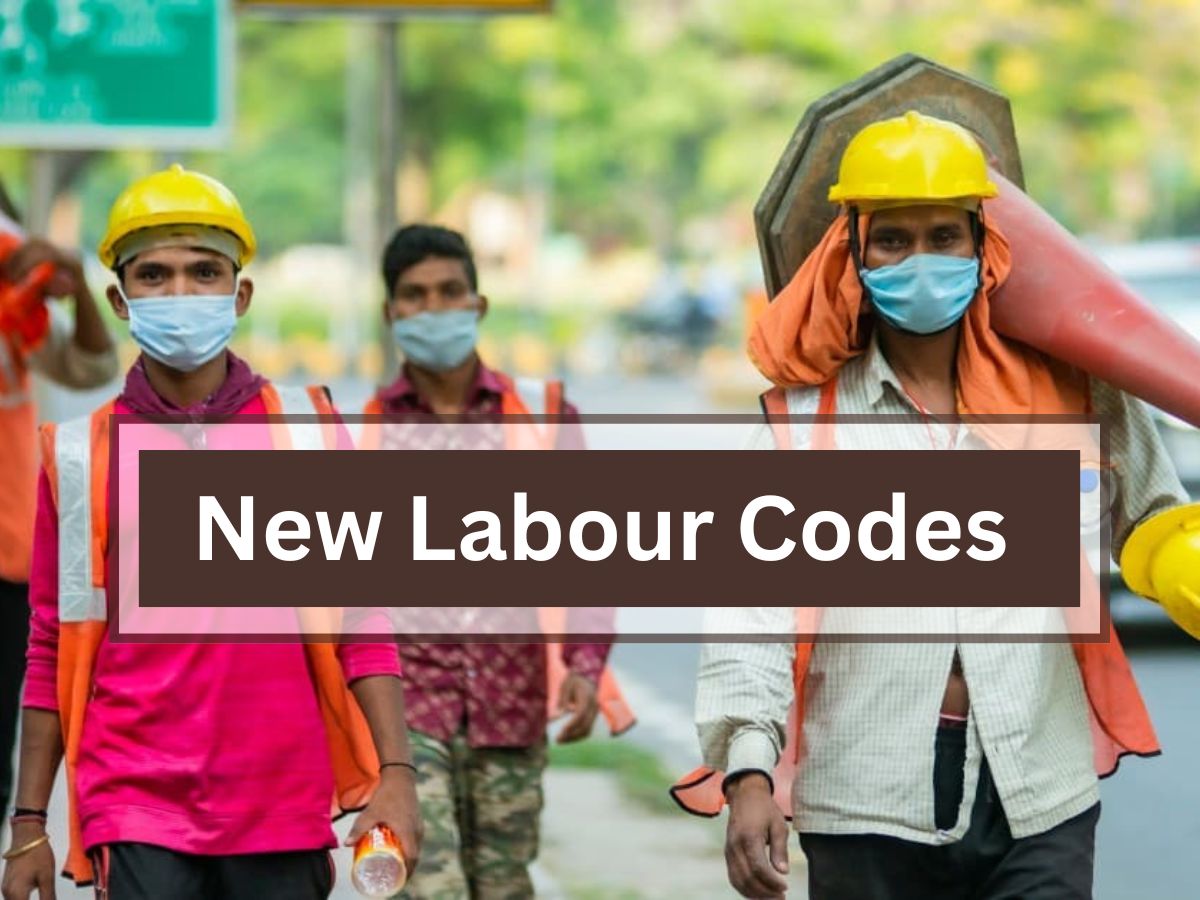
India’s new labour codes bring a strict compliance checklist for employers [Photo: X]
The Ministry of Labour and Employment has issued a comprehensive compliance checklist to help employers meet their legal obligations under India’s four new labour codes as businesses adjust to the unified legal framework.
This handbook clarifies employer duties on timely wages, safety standards, social security contributions, event-based reporting and more, aiming to tighten accountability and reduce disputes during the transition from the older labour laws to the new codes.
Officials say the checklist spells out key requirements that many businesses may already know but now must follow with clear timelines and procedures.
The four labour codes that now govern employer obligations are:
These codes replaced 29 older central labour laws in November 2025 in a major reform aimed at simplifying compliance while protecting worker rights.
Officials describe the checklist as a practical to-do list for employers to avoid compliance gaps during the transition. It breaks down duties into core, monthly, annual and event-based requirements employers must follow.
Employers must immediately:
These steps set the legal framework for day-to-day operations under the new labour regime.
Every month, businesses must make sure they:
These regular obligations are central to maintaining a compliant employer–employee relationship.
Each year, establishments must:
This annual cycle helps institutionalise safety, fair pay and worker welfare.
Certain events trigger specific duties that employers must fulfil within defined timeframes:
These event-based requirements ensure that sudden or disruptive incidents are handled legally and transparently.
The labour codes do not automatically guarantee annual salary hikes. However, they strengthen wage transparency. Under the Code on Wages, employers must:
If the government revises minimum wages annually, employers must update pay accordingly. This means workers earning at or near minimum wage levels may see increases when rates change.
Promotions and performance-based raises remain company-driven decisions. However, stricter wage compliance ensures employees receive legally mandated revisions without delay.
The Industrial Relations Code sets clearer rules for termination, retrenchment and layoffs. Employees can face termination due to:
However, employers must follow due process. In establishments with more than 300 workers, companies must obtain government approval before retrenchment, layoffs or closure.
Employers must also:
These provisions aim to prevent arbitrary job losses and ensure compensation transparency.
According to government officials, the handbook aims to remove ambiguity that arose during the transition from older labour laws to the consolidated codes. The ministry said it will “act as a to-do list for establishments to ensure that no evasion on compliances happens for lack of clarity due to the transition from the old labour laws to the new labour codes.”
With clear timelines and defined procedures, businesses can plan compliance steps early, reducing the likelihood of litigation or penalties later. The checklist also supports efforts to modernise labour law enforcement, enhance worker protection and streamline legal obligations under one framework rather than a scattered set of dozens of laws.
