
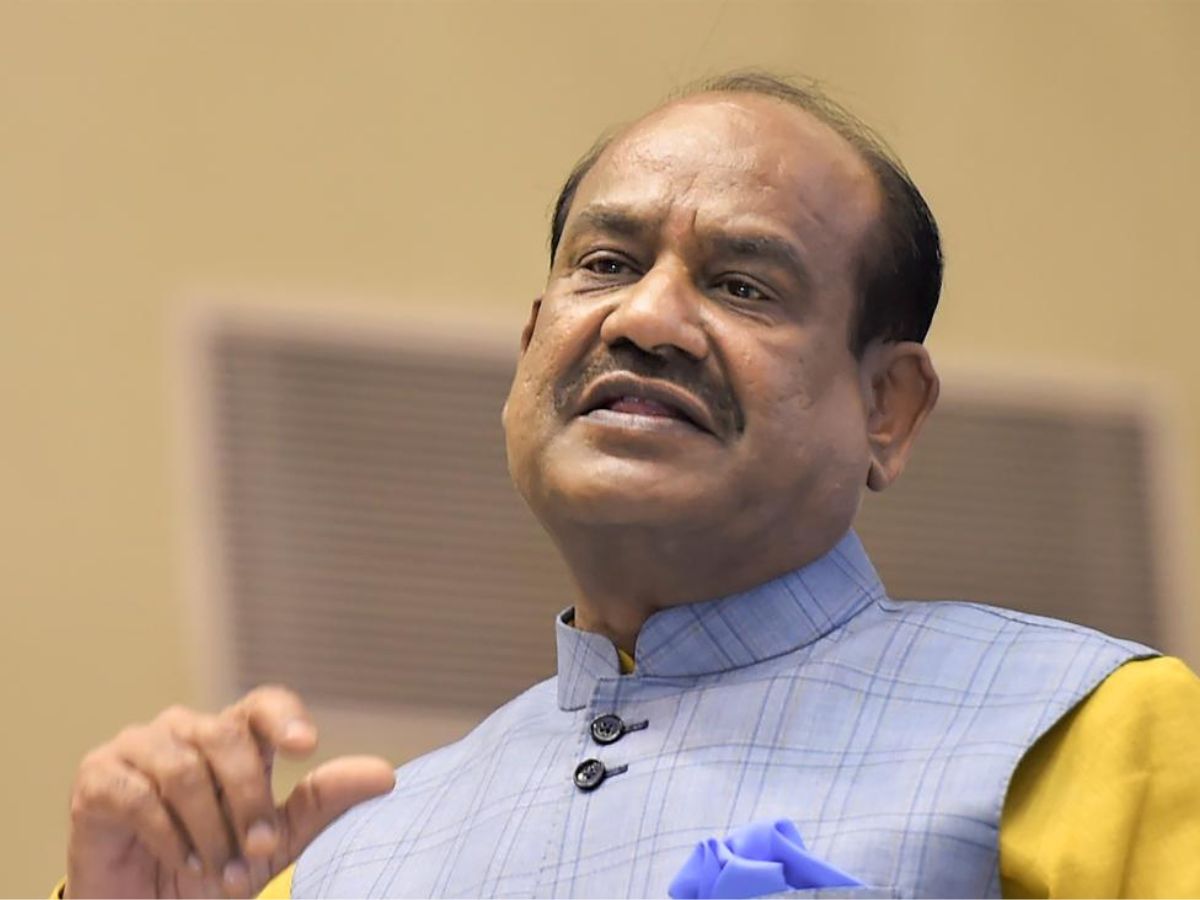
New Delhi: Opposition MPs submitted a resolution seeking the removal of Lok Sabha Speaker Om Birla, setting in motion a constitutionally defined process governed by the Constitution of India and the Rules of Procedure and Conduct of Business in Lok Sabha.
The move was initiated by Congress and allied parties after they alleged repeated instances of partisan conduct by the Speaker during the ongoing Budget Session. Among the specific complaints cited were the denial of speaking time to Leader of Opposition Rahul Gandhi, suspension of opposition MPs, and failure to act against remarks made by ruling party members that opposition leaders described as objectionable.
The opposition has also accused the Speaker of “abuse of constitutional office” and bias in managing debates and disciplinary action in the chamber.
The present motion carries signatures from more than 100 opposition MPs, indicating coordinated support across multiple parties. The Lok Sabha Secretariat is now examining the notice to determine its admissibility and schedule the next procedural step.
The resolution activates a process rooted in Article 94(c) of the Constitution, which permits the Lok Sabha to remove its Speaker through a formal resolution. The operational procedure is laid down in Rule 200 of the Rules of Procedure and Conduct of Business in Lok Sabha, which requires written notice and a minimum fourteen-day interval before the motion can be considered.
During consideration, Article 96 prevents the Speaker from presiding, and proceedings shift to Deputy Speaker. However, the House currently does not have a Deputy Speaker. The post of Deputy Speaker in the Lok Sabha has remained vacant since June 2019. Article 93 of the Constitution requires the House to choose both a Speaker and a Deputy Speaker, but the position has not been filled since the last incumbent demitted office after the sixteenth Lok Sabha.
In the absence of a Deputy Speaker, the substitution mechanism under Article 95(2) applies.
A member drawn from the Panel of Chairpersons, nominated under Rule 9 of the Lok Sabha rules, is expected to preside over the sitting. Under Rule 10, that presiding member exercises the same procedural authority as the Speaker while conducting the debate and putting the motion to vote.
Once listed, the motion has to first obtain the leave of the House, which requires at least 50 members to stand in support. If that threshold is met, debate proceeds under the substitute presiding officer. Final removal demands passage by a majority of all the then members of the House, meaning more than half of the effective Lok Sabha strength.
Historically, such attempts are rare and have never succeeded. The Lok Sabha has witnessed three previous efforts to remove a Speaker since Independence. A motion against the first Speaker, G. V. Mavalankar, was debated in December 1954 and defeated. A second attempt against Speaker Hukum Singh in November 1966 failed at the preliminary stage because fewer than 50 members supported it. A third motion against Speaker Balram Jakhar in April 1987 was also rejected by the House.




