Rajya Sabha biennial elections for 37 seats in 10 states are set for March 16, with nominations by March 5, polling from 9 am to 4 pm, and counting at 5 pm the same day.
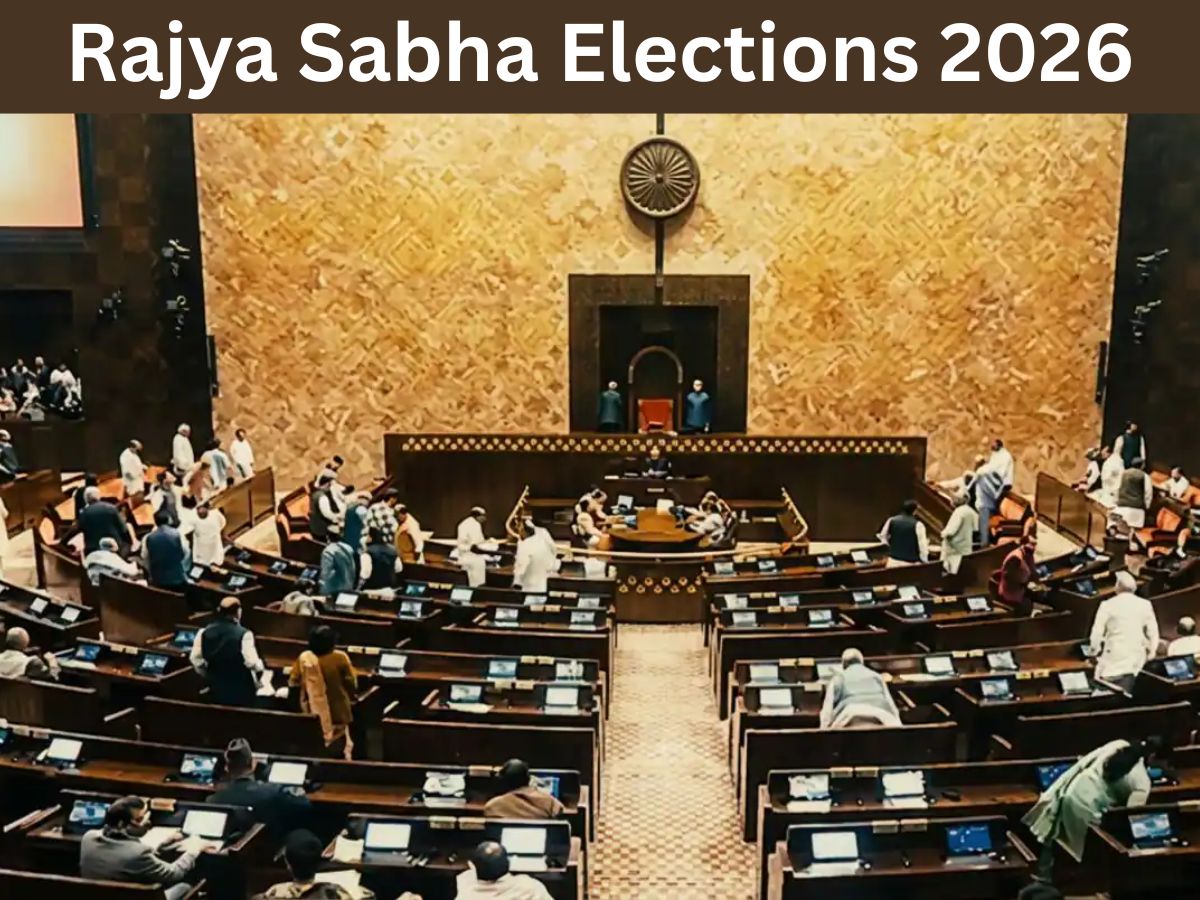
Rajya Sabha biennial elections for 37 seats in 10 states are set for March 16 [Photo: X]
As India gears up for the next phase of parliamentary elections, the Election Commission of India (ECI) has announced that biennial Rajya Sabha elections for 37 seats across 10 states will take place on March 16, 2026.
The upcoming polls are crucial, as they will determine the composition of the Upper House for the next term. With several senior leaders retiring, including Sharad Pawar and Abhishek Manu Singhvi, parties are already strategizing to secure key seats.
The Election Commission of India has announced biennial elections to the Council of States (Rajya Sabha) to fill 37 seats from 10 states.
— ANI (@ANI) February 18, 2026
Date of polls- 16 March 2026.
Counting of votes will take place on the same day as polling. pic.twitter.com/gv8njEFbgP
Voting will be completed in a single day, with counting scheduled for the evening, making this one of the most closely watched Rajya Sabha elections in recent years.
The Election Commission has confirmed that polling will begin at 9 am and continue until 4 pm on March 16, followed by counting at 5 pm. The process covers 37 vacant seats across 10 states, with all stages expected to conclude by March 20, 2026.
These seats are becoming vacant as the current members’ terms end in April 2026.
The election schedule unfolds as follows:
These steps are part of the standard Rajya Sabha election process, where legislators elect members by proportional representation.
The seats becoming vacant span a range of states with different political landscapes. Here’s how the 37 Rajya Sabha seats are distributed:
This wide geographic spread ensures varied electoral dynamics, as the strength of parties in state assemblies will largely determine outcomes.
The Election Commission has stressed uniformity and fairness in the voting process. Only integrated violet-coloured sketch pens of pre‑fixed specification supplied by the Returning Officer will be permitted for marking preferences on the ballot paper. No other pen shall be used. Observers will also be appointed to oversee that the polls are conducted in a free and fair manner.
This strict guideline intends to prevent irregularities in the preferential voting system that is unique to Rajya Sabha polls, where state legislators rank candidates by preference.
Several high‑profile parliamentarians will see their terms come to an end, opening up key seats:
These exits mark significant changes in the composition of the House, and parties are already positioning to retain or gain seats in the upcoming polls.
The March 16 Rajya Sabha polls will test party strengths in state assemblies. Since members of the Upper House are elected by MLAs using proportional representation, the current numerical strength of political formations in these legislative bodies will shape results.
While many seats are expected to be retained by incumbents reflecting existing assembly equations, marginal changes in the Upper House’s composition could occur based on state political shifts and alliances.
Unlike direct general elections, these biennial Rajya Sabha polls influence the balance of power in Parliament’s Upper House, affecting legislative agendas and key bills. The timely finish of counting on polling day ensures quick clarity on the new makeup of the House just as the currently serving members complete their tenure.
As political parties gear up for the next phase of India’s parliamentary democracy, these elections could impact how smoothly future legislation proceeds in the Upper House.
