PM Modi will inaugurate the Meerut Metro and NaMo Bharat RRTS today. Check route, stations, speed, ticket price, frequency and important details here.
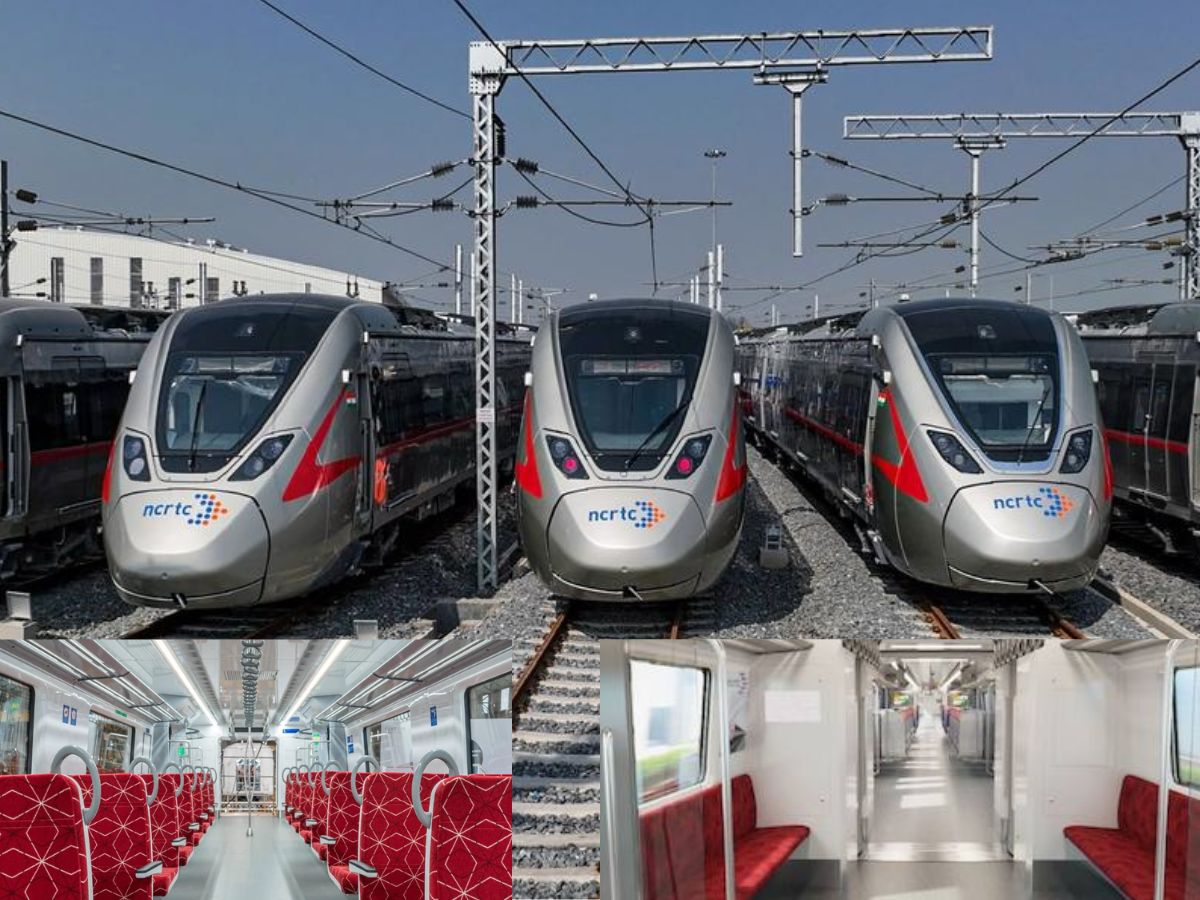
PM Modi will inaugurate the Meerut Metro and NaMo Bharat RRTS today [Photo: X]
Prime Minister Narendra Modi today inaugurated the full-length NaMo Bharat Rapid Rail corridor and the new Meerut Metro in Meerut, marking a major milestone in India’s transportation history. The launch is expected to dramatically cut travel time between Delhi and Meerut, improve daily commuting, and set a new benchmark for modern regional transport.
The event also highlights the government’s push to expand rapid connectivity in the National Capital Region (NCR), improve the quality of urban travel and reduce road congestion for millions of commuters.
The Meerut Metro runs partly on the same infrastructure as the NaMo Bharat RRTS corridor, creating a unique integrated transit system. It spans approximately 23 kilometres between Meerut South station and Modipuram, and includes 13 metro stations serving key urban and residential areas. The major stations on the route are:
Commuters can interchange between the metro and NaMo Bharat RRTS at Meerut South, Shatabdi Nagar, Begumpul and Modipuram stations.
Designed to be India’s fastest metro system, the Meerut Metro has a maximum operational speed of about 120 km per hour. This high speed allows trains to cover the full 23-km route in approximately 30 minutes, significantly reducing travel time compared to traditional road transport. The metro benefits from modern infrastructure and advanced systems, including:
While official detailed metro schedules after today’s launch are still awaited from the National Capital Region Transport Corporation (NCRTC), RRTS services, and by extension the integrated metro network, are expected to offer frequent services with short intervals between trains once fully operational.
Current reporting suggests rapid rail trains along the RRTS corridor will run approximately every 10 to 15 minutes, a frequency likely mirrored by the metro to accommodate commuter demand.
Metro coaches are designed to be modern and passenger-friendly, with air-conditioned interiors, comfortable seating, CCTV surveillance, emergency communication features and clear digital display boards to update travellers on stops and timings.
Officials are preparing to launch the metro with a distance-based fare system. Exact ticket prices will be announced at the time of launch, but commuters can expect a range of affordable fares for both metro and RRTS services. Early estimates for the combined network indicate:
The system will use digital and smart ticketing, including:
Officials expect trains to run at frequent intervals once regular services start, likely every 5–10 minutes during peak hours.
The NaMo Bharat RRTS corridor, India’s first rapid rail transit system, connects Sarai Kale Khan in Delhi with Modipuram in Meerut over 82 km. The fully completed corridor will cut travel time between the two cities to about 58 minutes.
Along this regional rail route, trains operate at design speeds up to 180 km per hour and operational speeds up to 160 km per hour.
Stations along the RRTS include major hubs in Delhi, Ghaziabad and Meerut, and are designed to integrate with local transport systems. Once the entire network is live, commuters will experience seamless regional and intra-city connectivity.
The Meerut Metro, running at top speeds and on an integrated network with Delhi’s rapid rail, represents a paradigm shift in urban transit. It not only improves intra-city mobility but also boosts connectivity with neighbouring cities, promotes economic activity, and supports daily commuters, students and office-goers.
By making travel faster, safer and more reliable, this metro system sets a template for future high-speed integrated transport systems across India.
