S Jaishankar tells Rajya Sabha PM Modi is monitoring the Iran-US-Israel war closely, warns of energy supply disruptions and stresses safety of Indians abroad.
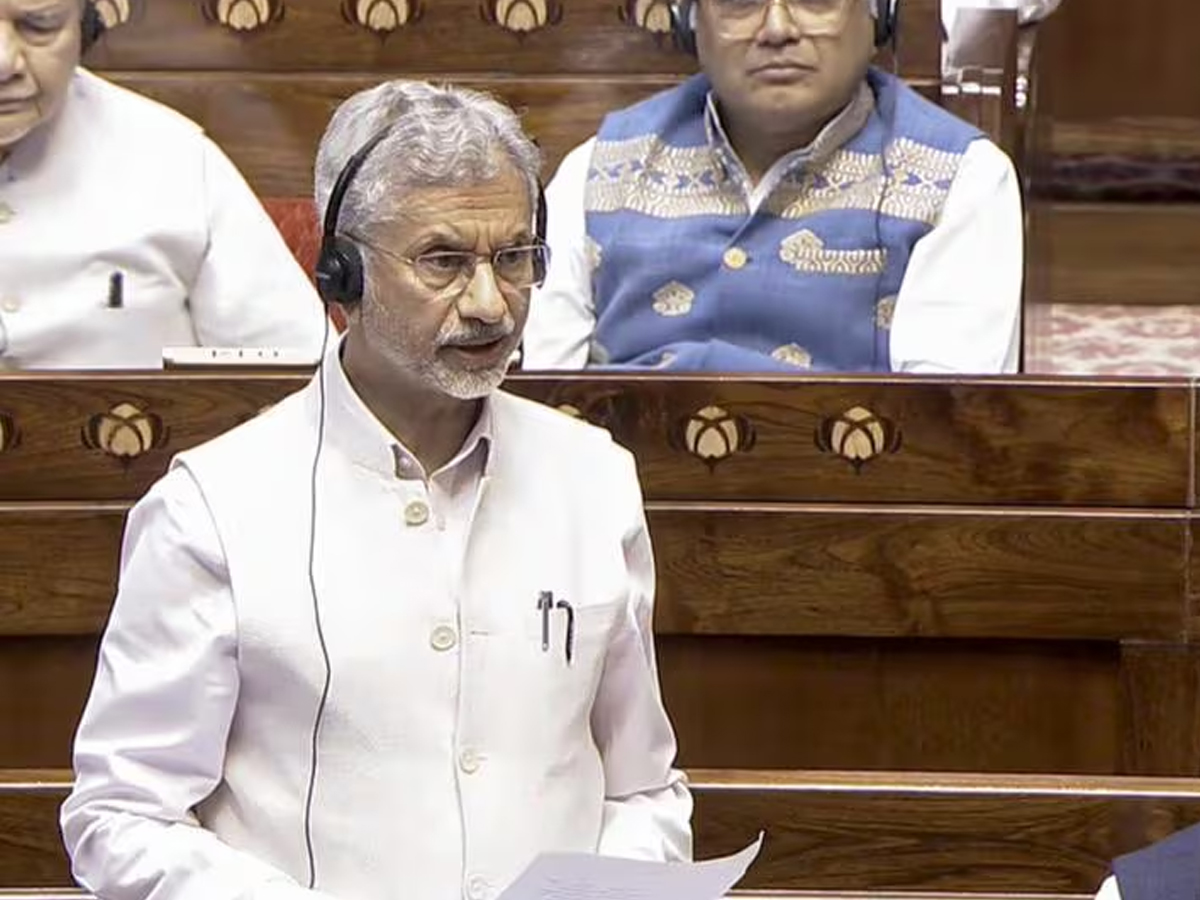
Jaishankar told members of the Upper House that the government is maintaining close contact with several countries in the region as the conflict spreads across West Asia. (Photo: Social Media)
India is closely watching the rapidly escalating conflict in West Asia as tensions between Iran, the United States, and Israel continue to intensify. External Affairs Minister S Jaishankar informed the Rajya Sabha on Monday that Prime Minister Narendra Modi is personally monitoring the situation and that the government is taking steps to protect Indian citizens and safeguard the country’s energy security.
During his statement in Parliament, Jaishankar emphasised that India believes dialogue and diplomacy remain the best path to reduce tensions in the region. The minister also briefed lawmakers on ongoing diplomatic outreach, evacuation efforts, and the possible economic consequences of the conflict.
Jaishankar told members of the Upper House that the government is maintaining close contact with several countries in the region as the conflict spreads across West Asia.
"The Prime Minister continues to closely monitor the emerging developments, and relevant ministries are coordinating to ensure effective responses," Jaishankar stated.
He said India has attempted to stay engaged with all sides involved in the crisis. According to the minister, communication channels with regional leaders remain active, although direct contact with some authorities has become difficult because of the ongoing hostilities.
#WATCH | In Lok Sabha, speaking on conflict in West Asia, EAM Dr S Jaishankar says, "In view of the implications of this conflict for our energy security, the government remains committed to ensuring that it takes into account the availability, cost and risks of the energy… pic.twitter.com/HuumTrqk6l
— ANI (@ANI) March 9, 2026
Jaishankar confirmed that he has already spoken to his Iranian counterpart Abbas Araghchi as part of diplomatic efforts to stay informed about developments.
One of the biggest concerns for India is the potential disruption to oil and gas supplies from the Gulf region. The minister warned that prolonged instability could affect global energy markets and create challenges for India’s economy.
"The region is key to our energy security and includes many important suppliers of oil and gas. Serious supply chain disruptions and a climate of instability are serious issues,” he told the House.
He added that the government would continue to prioritise the interests of Indian consumers in managing the energy situation.
West Asia remains a crucial energy hub for India, supplying a large share of the country’s crude oil and natural gas imports. Any disruption in the region can push global oil prices higher and affect domestic fuel costs.
Jaishankar also provided an update on the safety of Indian citizens living in the conflict-affected region. Millions of Indians work or study across West Asian countries, making the situation particularly sensitive for New Delhi.
He confirmed that the Indian Embassy in Tehran remains operational and continues to assist Indian nationals, including students caught in the conflict. The minister said authorities have already helped relocate several students to safer locations.
The government is also working to assist Indians who are currently stranded in countries such as Qatar and Jordan. According to Jaishankar, officials are making intensive efforts to ensure that Indian citizens in affected areas are “brought back safely.”
Summing up the government’s position, Jaishankar stressed that the ongoing conflict is deeply concerning for India due to its geographical proximity and economic interests.
"This ongoing conflict is of particular concern to India. We are a neighbouring region, and have obvious stakes that West Asia remains stable.”
He also warned that the regional security environment has “deteriorated significantly” and that the hostilities have spread across multiple countries, disrupting normal life and economic activity.
As the war continues to escalate, India is balancing diplomatic engagement, citizen safety, and economic stability while urging all sides to pursue dialogue to prevent further escalation.
