Explore five places in India, from beaches to cafés and hotels, where entry is often restricted for Indian citizens, catering mainly to foreign tourists.
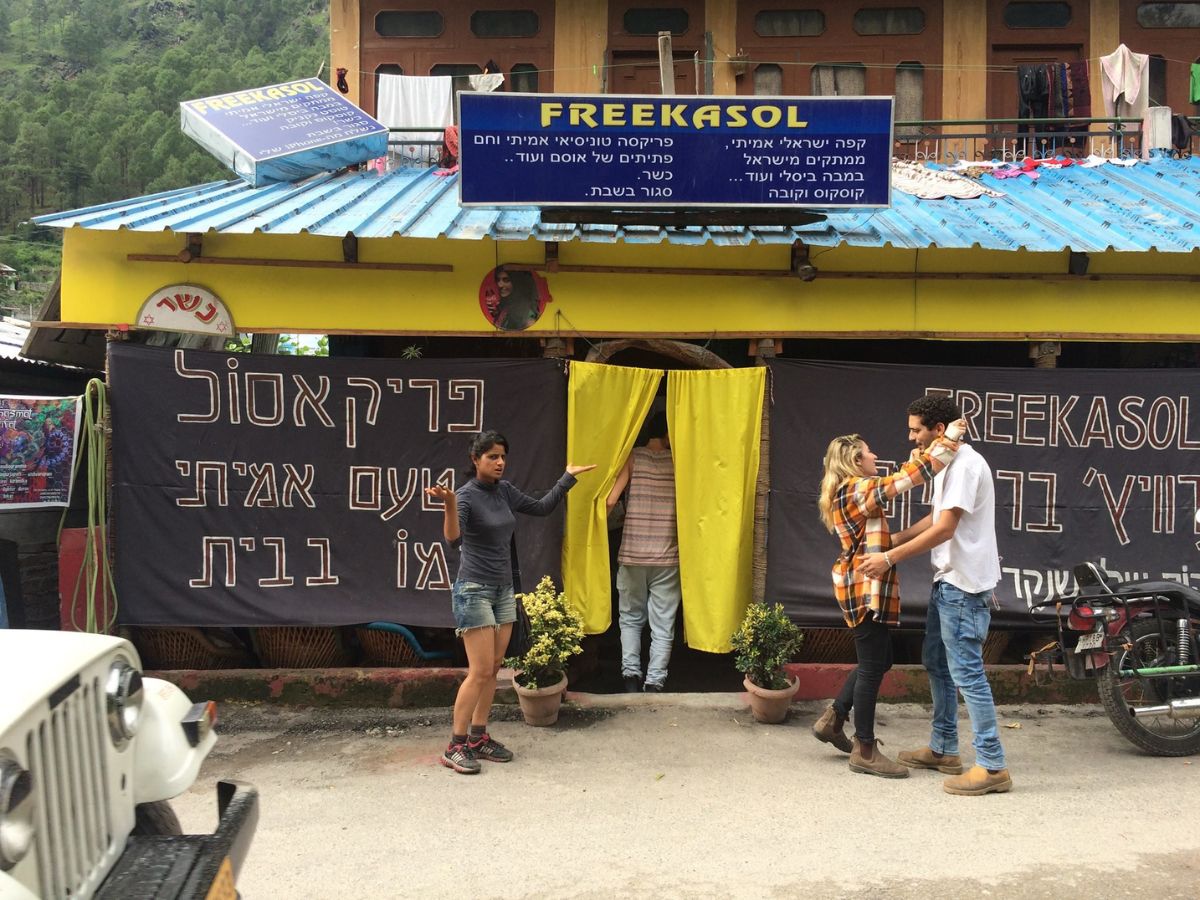
It is notable that these aren’t government-enforced restrictions, rather, they are private rules set by owners or managers (Photo: Social Media)
Although India is known for its diversity, vibrant culture, and welcoming spirit, yet, not all places in the country are open to its own citizens. From trendy cafés and boutique hotels to secluded beaches, there are a handful of spots that cater exclusively to foreign tourists, restricting entry to Indians. While these rules are controversial, they exist in select pockets, creating curious exceptions in an otherwise welcoming country.
Take a look at 5 places in India where Indians are not allowed to enter or visit. Read on to find which popular cafés, boutique hotels, secluded beaches, and residential enclaves cater exclusively to foreign tourists, often politely denying entry to Indian visitors.
Kasol, the hippie hub in Himachal Pradesh, is famous for its Israeli crowd. Among the cafés here, the Free Kasol Restaurant has reportedly restricted entry to foreign tourists only. Locals and Indian visitors have shared experiences online where they were denied entry. It made headlines when the manager of the café denied giving the menu to an Indian guest, while cheerfully greeting and serving people from Israel. While the owner claims it is a community-focused policy, it is seen as controversial and discriminatory.
Red Lollipop Hotel in Chennai is a destination exclusively for international backpackers. Its policy reportedly allows only foreign guests, turning away Indians. It is reserved for expats and entry is done with a passport only. The management states that the hotel is intended solely for first-time international visitors to India, arguing that the No Indians rule is a part of their branding.
Goa is famous for its beaches, nightlife, and vibrant tourist scene. With over 40 beaches, it attracts visitors from all over the world. However, not all beaches are open to Indian visitors. Certain beaches are largely reserved for foreign tourists. While there is no official law restricting Indians, some shack and restaurant owners treat local visitors differently. They claim this is to provide privacy, especially for foreign women, and argue that they are protecting international guests from unwanted attention or teasing.
Near the Kundankulam Nuclear Power Project, there is a residential area called the “Russian Colony,” mainly housing Russian engineers and their families. Established by Russians in the 1800s, the colony remains off-limits to Indian citizens. Although it has become a tourist spot, Indians generally cannot enter without special permission from the Russian Embassy, as it is private housing.
In Dharamshala, this café has reportedly become a hotspot for foreign tourists only. According to several claims posted online, this particular cafe has been known to deny entry to anybody and everybody who “looks even remotely Indian”. The café caters to a global clientele and has become a subject of controversy online.
While India is known for its open and diverse culture, these select spots show that certain places still prioritize foreign visitors over locals. From private beaches to exclusive cafés and residences, Indians may be politely turned away, making these exceptions intriguing. It is notable that these aren’t government-enforced restrictions, rather, they are private rules set by owners or managers, often targeting foreign tourists exclusively.
Disclaimer: The information in this article is based on publicly available sources and media reports. We have not independently verified access restrictions at these locations. Rules and policies may change, so readers should confirm directly before planning a visit.
