Third Tejas LCA crash reported at an Indian airbase during landing. Pilot safe, aircraft damaged. Know details, previous crashes and Mk1A delay updates.
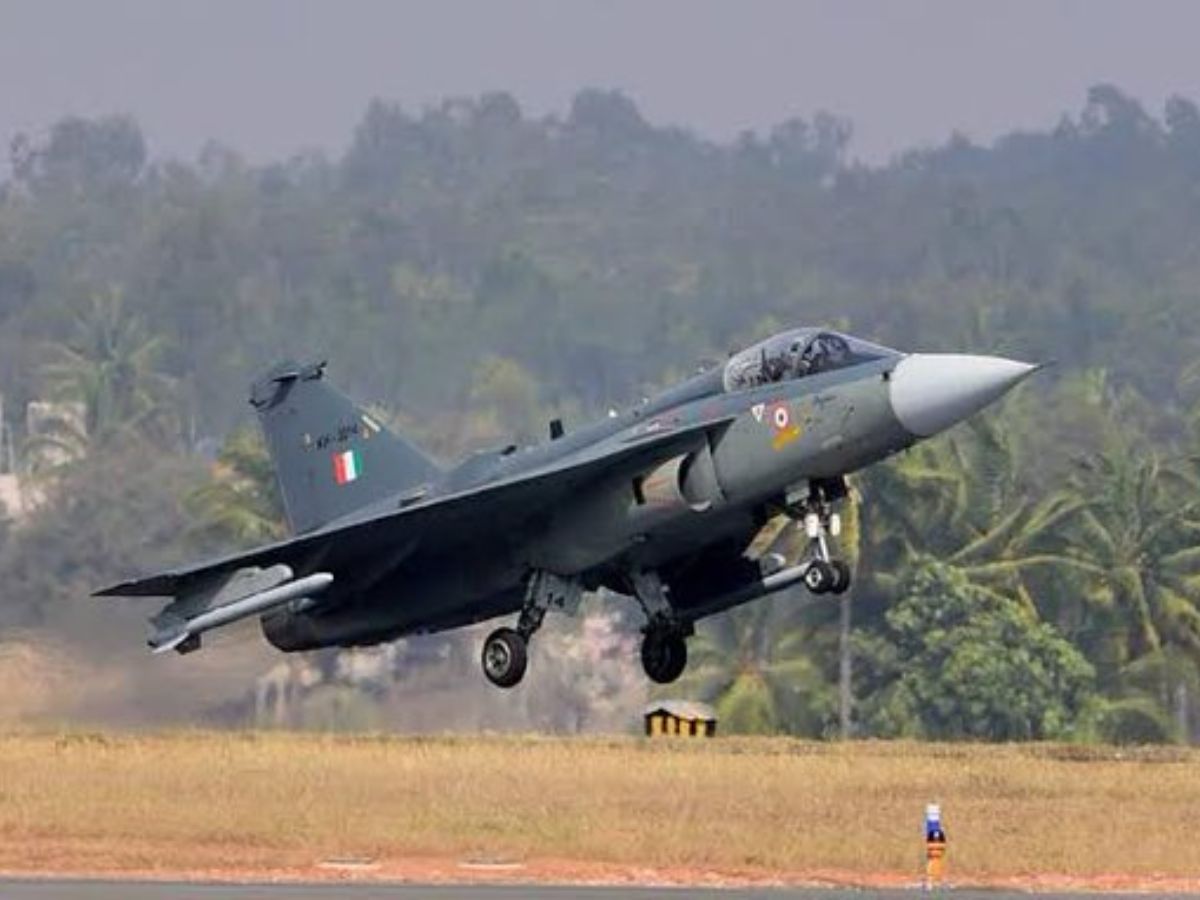
Third Tejas LCA crash reported at an Indian airbase during landing [Photo: X]
India’s indigenous fighter jet programme has once again come under scrutiny after a Tejas Light Combat Aircraft met with an accident during landing at a key Indian airbase. The incident marks the third crash involving the Tejas platform in recent years, raising fresh questions about operational readiness and delivery timelines.
Officials confirmed that the pilot ejected safely and did not suffer serious injuries. However, the aircraft sustained major structural damage and has been declared unserviceable by the Indian Air Force (IAF). Authorities have not yet released an official statement on the February 2026 crash.
The accident occurred during the landing phase after a routine training sortie. According to reports, the fighter jet encountered issues while approaching the runway at a prominent Indian airbase. The pilot acted quickly and ejected safely before the aircraft suffered heavy damage.
The Tejas involved in the crash was one of the 32 single-seat Light Combat Aircraft already delivered to the IAF by Hindustan Aeronautics Limited. While the pilot escaped unharmed, initial assessments suggest that the aircraft has sustained serious structural damage, making it unfit for immediate service.
Defence authorities are expected to launch a detailed technical investigation to determine the cause of the landing mishap.
This is the third reported crash involving the Tejas fighter jet. The first accident took place near Jaisalmer in March 2024. The aircraft crashed after returning from a firepower demonstration. The pilot managed to eject safely before impact.
The second crash occurred in November 2025 during an aerobatic display at the Dubai Airshow. The tragic accident led to the death of Wing Commander Namansh Syal. Authorities launched an investigation into the incident, and inquiries are still underway.
The latest February 2026 crash adds to the concerns surrounding the aircraft’s operational challenges, although experts stress that fighter jet programmes worldwide often experience incidents during development and deployment phases.
The Indian Air Force has placed a major order for 180 LCA Mk1A aircraft from Hindustan Aeronautics Limited. The Mk1A variant features advanced avionics, improved radar systems and enhanced combat capability.
However, HAL has reportedly missed multiple deadlines for delivering the upgraded Mk1A jets. The delays have raised concerns within defence circles, especially as the IAF aims to modernize its fleet amid evolving security challenges.
Officials continue to monitor production schedules closely. Industry experts note that supply chain issues and technical integration challenges may have contributed to the delayed rollout of the advanced variant.
Following the recent February 2026 accident, the IAF has reportedly grounded all operational Tejas aircraft as a precautionary measure. This move is aimed at ensuring safety, conducting inspections, and reviewing protocols before resuming regular flight operations.
Grounding the fleet allows engineers to assess potential technical or structural issues across all aircraft and ensures that similar incidents are prevented in future. The decision reflects a cautious approach while investigations into the latest crash continue.
The Tejas programme represents India’s push for self-reliance in defence manufacturing. Despite the recent incidents, defence analysts emphasize that isolated accidents do not automatically reflect systemic design flaws.
Fighter aircraft operate in complex and high-risk environments. Training sorties and demonstration flights often test the aircraft’s performance under demanding conditions. Authorities typically conduct thorough crash investigations to determine whether mechanical issues, pilot error or external factors played a role.
The outcome of the latest probe will be crucial in understanding whether procedural adjustments or technical modifications are required.
As of now, the Indian Air Force has not issued an official public statement on the February 2026 landing incident. Defence officials are expected to share preliminary findings once the inquiry progresses.
The IAF currently operates multiple Tejas squadrons as part of its broader modernization strategy. The indigenous fighter jet remains central to India’s long-term defence planning.
Following standard procedure, investigators will analyse flight data, cockpit recordings and maintenance logs. Technical teams will assess whether the incident resulted from a mechanical malfunction during landing or other operational factors.
The aircraft involved in the crash has reportedly suffered significant structural damage and has been deemed unserviceable. Repair or replacement decisions will depend on the final assessment.
While the pilot’s safety has brought relief, the third crash has renewed focus on aircraft reliability and delivery timelines. Defence observers will closely watch how HAL and the Indian Air Force address the latest setback.
For now, the Tejas programme continues to move forward, balancing operational demands with technological upgrades and ongoing investigations.
