Union Budget 2026 cuts TCS to 2% on select goods, including tendu leaves. Move eases tax burden, boosts rural trade and improves cash flow.
Small traders, forest-produce collectors, and supply-chain participants are expected to benefit the most from the reduced tax burden.
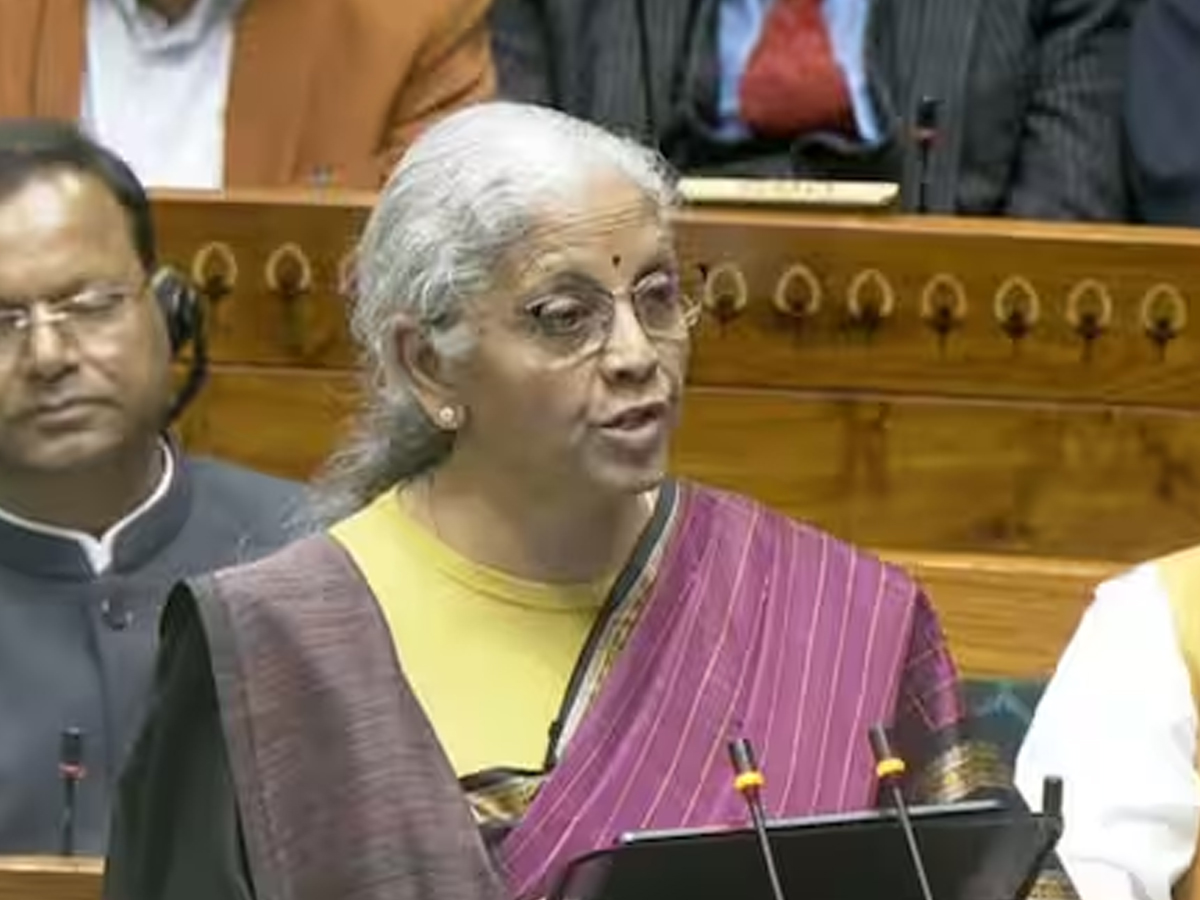
The Union Budget 2026-27 has introduced important changes to indirect taxes that directly affect businesses dealing in alcohol, scrap, minerals, and tobacco products. Finance Minister Nirmala Sitharaman announced a major simplification in the Tax Collected at Source (TCS) structure, while also revising the National Calamity Contingent Duty (NCCD) on certain tobacco items.
The moves aim to make the tax system easier to comply with, reduce confusion for sellers, and improve ease of doing business without burdening consumers with higher prices.
One of the key announcements in Budget 2026 is the rationalisation of TCS rates for sellers of alcoholic liquor, scrap, and minerals. The government has now fixed a uniform TCS rate of 2 percent for these categories.
Earlier, sellers faced multiple TCS rates depending on the product type, with some rates higher than the new flat structure. This often created compliance challenges and increased paperwork for businesses.
By moving to a single rate, the government aims to simplify tax collection and bring clarity for sellers operating across states and sectors.
The simplified TCS structure reduces administrative complexity for sellers of liquor, scrap materials, and minerals. Businesses can now calculate taxes more easily, improve cash flow management, and reduce disputes related to classification and rates.
The government also expects the move to improve overall tax compliance while making India’s indirect tax system more predictable and business-friendly.
Budget 2026 also revised the National Calamity Contingent Duty (NCCD) on select tobacco products. On paper, the NCCD rate will rise from 25 percent to 60 percent starting May 1, 2026.
However, the government has clarified that this change will not increase the actual tax burden on manufacturers or consumers. To balance the higher NCCD rate, other components of excise duty will be reduced, keeping the effective tax unchanged.
The revised NCCD structure applies to products such as chewing tobacco, jarda scented tobacco, and similar tobacco-based items. The change is largely technical and gives the government greater flexibility in managing indirect taxes without triggering price hikes.
Together, the TCS rationalisation and the NCCD adjustment signal the government’s intent to simplify taxation while maintaining revenue stability. Businesses benefit from easier compliance, while consumers avoid sudden price shocks—especially in sensitive sectors like alcohol and tobacco.
